Bug Report: Rockwood, Ontario – 2026-03-18
This Forecast is Out of Date. Please visit https://justbiteme.com/regional-bug-bite-forecast for an updated forecast

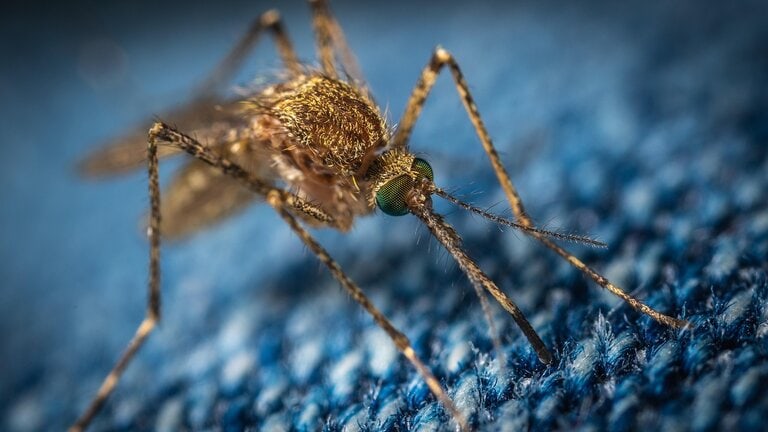
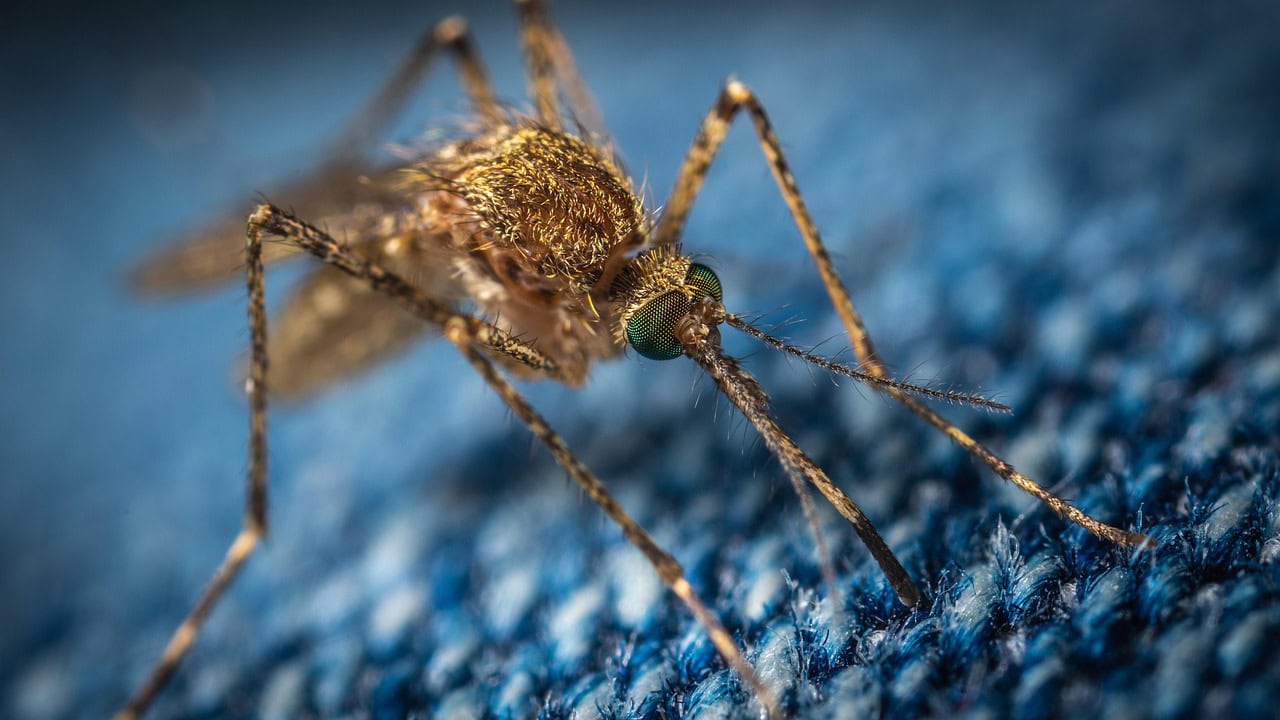
Image: Pixabay
Pest Control Rockwood Ontario: Navigating Cloud-Covered 0°C Days (March 18, 2026)
As your trusted source for pest control Rockwood Ontario, I’m here to provide the latest insights for the week of March 18, 2026. With temperatures hovering just below freezing at -0.12°C, 70% humidity, and a blanket of clouds over areas like the Rockwood Conservation Area, our local pest risk level remains delightfully low. This means that while most outdoor pests are in their overwintering states, homeowners should still be mindful of those opportunistic few seeking warmth indoors, a common characteristic of our humid continental climate.
This Week’s Weather and What It Means for Bugs
This week’s measured conditions in Rockwood, Ontario, present a clear picture for pest biology. With temperatures recorded at -0.12°C (32°F) and humidity at 70% under cloudy skies, outdoor insect activity is significantly curtailed. According to research from the University of Guelph, most poikilothermic insects, including many common pests, become inactive and enter diapause—a state of arrested development—when ambient temperatures drop to near or below freezing, as observed this week. This effectively halts their feeding, reproduction, and movement outdoors. The -0.12°C temperature acts as a strong environmental cue, driving many cold-intolerant species to seek insulated overwintering sites to survive the impending colder months.
For species like the Boxelder Bug (Boisea trivittata) and Cluster Fly (Pollenia rudis), the sustained -0.12°C temperature is a critical factor. These nuisance pests are renowned for their overwintering behavior, migrating from outdoor vegetation to seek shelter within residential and commercial structures. According to entomological studies from the University of Minnesota, temperatures at or below freezing compel these insects to aggregate in wall voids, attics, and other protected areas where they can escape lethal cold. While the 70% humidity outdoors indicates moist conditions, its primary effect at this freezing temperature is often localized, potentially contributing to frost formation in exposed areas rather than directly influencing their indoor overwintering survival, as they primarily seek dry, sheltered environments once indoors.
Even more resilient pests like Carpenter Ants (Camponotus spp.) are profoundly affected by these conditions. At -0.12°C, outdoor foraging and colony expansion cease entirely, with existing colonies within wood structures entering a deep diapause. Research from Cornell University indicates that native carpenter ant species in temperate zones undergo significant physiological changes to survive freezing temperatures, with all development and activity arrested when ambient temperatures drop to 0°C (32°F). The accompanying 70% humidity, while not directly impacting the ants in their protected galleries, is notable. According to studies from the University of Toronto, consistently high ambient humidity, such as 70%, can contribute to increased moisture content in surrounding wood if structural issues exist. This can be a predisposing factor for carpenter ant colonization and subsequent damage during warmer periods, as they prefer to excavate in wood with elevated moisture levels. Thus, while dormant, the high humidity is a latent concern for future activity.
What to Do This Week in Rockwood
Even with the chilly -0.12°C (32°F) temperatures and cloudy skies this week in Rockwood, proactive pest prevention is key. While bug activity might seem low on the surface, many pests are actively seeking warm, dry shelter as conditions fluctuate around freezing. First, take a walk around your home’s exterior. Look for any new cracks or gaps around window frames, door sills, and your foundation. Sealing these now, even small ones, prevents overwintering insects like boxelder bugs or cluster flies, and rodents like mice, from finding a way inside to escape the cold and damp 70% humidity. Also, ensure any remaining leaf litter or debris close to your foundation is cleared away. These piles create perfect, insulated havens for spiders, earwigs, and even rodent nests, all looking for refuge from the elements this time of year.
Next, focus on moisture management, which is critical given the high humidity. Check that your eavestroughs and downspouts are clear of any blockages. With temperatures hovering around freezing, blocked gutters can lead to ice dams and water pooling, which, come the inevitable spring thaw, creates ideal conditions for moisture-loving pests like carpenter ants or sowbugs, especially around older Rockwood foundations and basements. Finally, for many of us in Rockwood who enjoy the rural charm, take a moment to inspect any woodpiles or decorative outdoor wood elements near your home. These can be prime overwintering spots for various insects and rodents. Taking these simple, actionable steps now will make a big difference and ensure you’re less likely to need pest control Rockwood Ontario services when warmer weather arrives.
Frequently Asked Questions about Pest Activity in Rockwood
What common pests should Rockwood residents be aware of in mid-March?
In mid-March, Rockwood residents should primarily watch for overwintering pests like cluster flies, boxelder bugs, and occasional rodent activity seeking warmth. Early ant scouts might also start appearing indoors, especially if there are unseasonably warm days, as they forage for food sources after winter dormancy.
Are homes near the Eramosa River in Rockwood more prone to certain pests?
Homes bordering the Eramosa River in Rockwood may indeed experience higher instances of moisture-loving pests such as centipedes, spiders, and even early mosquito activity in standing water. Rodents are also frequently found near water sources and can seek shelter in nearby homes during cooler periods.
What preventative measures can Rockwood homeowners take now for spring pests?
Rockwood homeowners should proactively seal foundation cracks, repair window screens, and clear gutters of debris. Reducing clutter in basements and attics also limits hiding spots for pests. Addressing these now can significantly reduce the need for future professional pest control Rockwood Ontario services later in the season.
I’m seeing cluster flies or boxelder bugs indoors. Is this normal for Rockwood in March?
Yes, it’s quite normal for overwintering pests like cluster flies, boxelder bugs, and even some stink bugs to become active indoors in Rockwood during March. As days lengthen and temperatures fluctuate, these insects emerge from dormancy within wall voids or attics, seeking to move outdoors but sometimes getting trapped inside.
Protect Your Home in Rockwood, Ontario
Don’t let local bug activity catch you off guard. Visit our local store to get expert advice and the right supplies for your specific location.