Bug Report: Grand Bend, Ontario – 2026-03-18
This Forecast is Out of Date. Please visit https://justbiteme.com/regional-bug-bite-forecast for an updated forecast

Image: Pixabay
Pest Control Grand Bend Ontario: Mild March Warmth (15.4°C) Amidst Cloud Cover
Welcome back, Grand Bend homeowners! This week, we’re experiencing a delightful taste of early spring with temperatures hitting a mild 15.4°C and a comfortable 53% humidity under cloudy skies. While many of us are already dreaming of sunnier days on Main Beach or getting our cottages ready for the season, it’s a good time to remember the importance of proactive pest control Grand Bend Ontario. Our region, characterized by its humid continental climate, is slowly waking up, and with it, the earliest signs of some insect activity. However, for the week of March 18th, I’m happy to report that our overall bug risk level remains Low, meaning that while some pests might be stirring from their winter slumber, widespread infestations are unlikely.
This Week’s Weather and What It Means for Bugs
The conditions this week in Grand Bend, with a temperature of 15.4°C (60°F) and 53% humidity under cloudy skies, create a moderate environment for many local pest species. While not exceptionally warm, 15.4°C is above the developmental threshold for numerous insects, signaling a shift from dormancy to activity for many overwintering populations. This temperature, combined with moderate humidity, means pests are actively foraging and developing, though perhaps not at their peak summer rates.
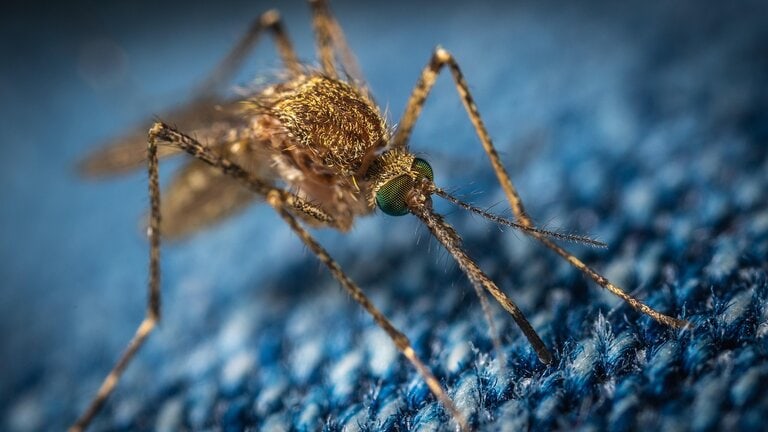
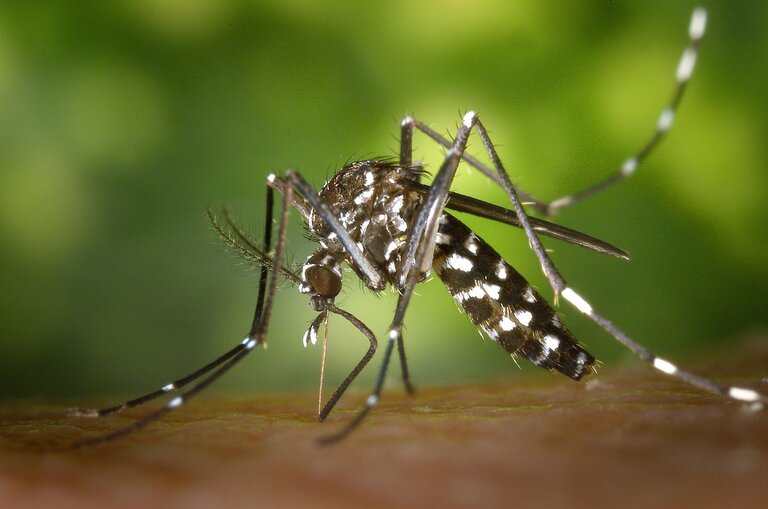
For mosquitoes, such as common house mosquitoes (Culex pipiens) or floodwater mosquitoes (Aedes vexans), 15.4°C is sufficient for larval development to continue, albeit at a slower pace than during warmer periods. According to entomological research from the University of Florida, mosquito development rates are highly temperature-dependent, and while 60°F facilitates growth, it extends the time required for larvae to reach adulthood compared to temperatures in the mid-20s Celsius. The 53% humidity is also conducive to adult mosquito survival, preventing desiccation without being excessively damp. Meanwhile, Blacklegged Ticks (Ixodes scapularis), a significant concern in Ontario, remain highly active at this temperature. Research from the University of Guelph indicates that these ticks actively quest for hosts in temperatures ranging from just above freezing up to about 25°C, making 15.4°C an optimal temperature for their host-seeking behavior. The moderate humidity of 53% allows them to remain exposed for reasonable periods without drying out, though they will still seek out humid microclimates within leaf litter.
Pavement Ants (Tetramorium caespitum) are also responding to these conditions. At 15.4°C, these ants, which are common urban pests, are actively foraging for food, as this temperature is well within their comfortable range for surface activity. Studies from Purdue University show that ant foraging activity significantly increases once ground temperatures consistently reach the mid-teens (Celsius), aligning with our measured 60°F. The 53% humidity does not pose a barrier to their outdoor excursions, as ants are adept at managing their internal water balance and finding moisture sources. The cloudy conditions, while reducing direct solar radiation, do not deter these pests and may even offer some benefit to certain species by reducing heat stress during midday activities.
What to Do This Week in Grand Bend
As the weather warms up to a comfortable 15.4°C (60°F) this week, many overwintering pests are starting to stir and look for new homes or food sources. Now is the perfect time to get ahead of them! Start by meticulously inspecting your home’s exterior for any cracks or gaps around window frames, door jambs, and your foundation. Sealing these entry points with caulk or weatherstripping is crucial to prevent early-season invaders like ants, spiders, and even those lingering cluster flies from finding their way indoors. Additionally, with the desire to open windows and let in fresh air, ensure all your window screens are free of tears and that door sweeps are intact; even a small hole can be an open invitation for flying insects.
Given Grand Bend’s unique blend of residential homes and charming cottages, pay special attention to areas around decks, under eaves, and any detached sheds or garages. These often-overlooked spots can provide perfect harborage for pests waking up, including rodents, ladybugs, and even carpenter ants attracted to damp wood. Taking the time to clear away any accumulated leaf litter or debris from around your foundation will also eliminate potential hiding spots for moisture-loving pests like earwigs and sowbugs. Proactive measures now can save you a lot of hassle later, ensuring your home remains a sanctuary. For expert advice and effective solutions, consider reaching out for dedicated pest control Grand Bend Ontario services if you notice any persistent unwelcome guests.
Frequently Asked Questions about Pest Activity in Grand Bend
What common pests should Grand Bend residents watch for in mid-March?
In mid-March, Grand Bend residents should primarily watch for overwintering pests like cluster flies, Asian lady beetles, and box elder bugs emerging indoors. Rodent activity, particularly mice seeking food and shelter, also remains common as outdoor resources are still limited. Early detection is key for managing these pests effectively.
Are specific pest issues more prevalent in Grand Bend’s cottage areas near the beach?
Yes, cottage properties near Grand Bend’s beach are often susceptible to rodents, spiders, and overwintering insects seeking shelter in vacant homes. During early spring, these properties can also experience carpenter ant activity if moisture is present. Regular inspections and sealing entry points are crucial for prevention in these specific areas.
When is the best time for preventative pest control in Grand Bend, Ontario?
For optimal protection, the best time for preventative pest control in Grand Bend, Ontario, is typically in early spring before pest populations fully emerge and late fall to prevent overwintering infestations. Addressing issues proactively minimizes their impact. Even in March, sealing cracks and inspecting foundations can make a significant difference.
What impact does Grand Bend’s proximity to Lake Huron have on pest challenges?
Grand Bend’s proximity to Lake Huron can lead to increased moisture-related pests like certain ants and occasional spiders. While less active in March, the lake environment can influence future mosquito and midge populations later in the spring and summer. Ensuring proper drainage and sealing helps mitigate these unique challenges near the water.
Protect Your Home in Grand Bend, Ontario
Don’t let local bug activity catch you off guard. Visit our local store to get expert advice and the right supplies for your specific location.