Bug Report: Delhi, Ontario – 2026-03-18
This Forecast is Out of Date. Please visit https://justbiteme.com/regional-bug-bite-forecast for an updated forecast

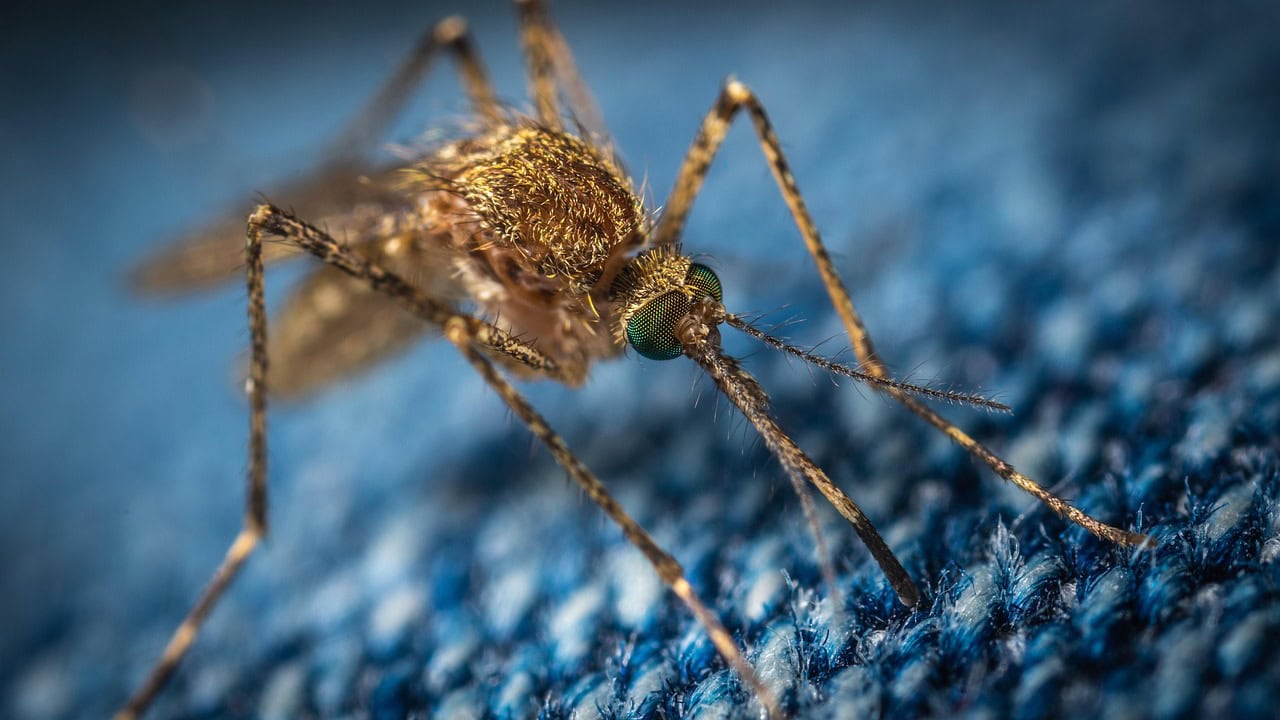
Image: Pixabay
Your Weekly Pest Control Delhi Ontario Update: Chilly & Cloudy Conditions Prevail
Welcome back, Delhi homeowners! As your local pest control Delhi Ontario expert with 15 years in the field, I’m here to give you the lowdown on what’s bugging (or not bugging!) us this week. With temperatures around a chilly -1.21°C, 88% humidity, and clouds overhead – much like the weather outside the Delhi Arena after a morning skate – the pest risk remains low. For those living in our humid continental climate, this means most outdoor pests are deeply dormant or securely sheltered indoors, patiently waiting for spring. You can generally breathe easy about new outdoor infestations.
This Week’s Weather and What It Means for Bugs
Our recent measurements in Delhi, Ontario, present a clear picture of winter’s grip on local insect populations. With temperatures hovering at a frigid -1.21°C (30°F), coupled with high 88% humidity and cloudy skies, active pest presence outdoors is virtually non-existent. For most cold-blooded insects, temperatures below freezing halt metabolic activity, forcing them into states of dormancy, diapause, or leading to mortality for less resilient species. The high humidity, while often conducive to insect activity in warmer conditions, is largely overshadowed by the intense cold; however, it can play a subtle role in mitigating desiccation for insects that have found shelter, aiding in their overwintering survival rather than promoting activity.
Specifically, this week’s -1.21°C (30°F) conditions directly impact several common pest species. For instance, Culex pipiens mosquitoes, prevalent in Ontario, would be completely inactive. According to research from the University of Guelph, mosquito development and adult activity cease below approximately 10°C, and prolonged exposure to sub-freezing temperatures like -1.21°C is lethal to active adult, larval, and pupal stages. Only overwintering adult females, in diapause within sheltered, often insulated locations, survive such conditions. Similarly, Boxelder bugs (Boisea trivittata), known for seeking refuge indoors, would be driven entirely into overwintering sites by the -1.21°C temperatures. Entomologists at Michigan State University confirm that temperatures below freezing compel these bugs to aggregate in protected areas, including homes, where they remain dormant. The 88% humidity has little direct impact on these sheltered pests, but if exposed, it could reduce immediate water loss compared to very dry, cold air.
Another common pest, the Pavement Ant (Tetramorium caespitum), would be deep within its subterranean nests under these -1.21°C conditions. According to entomological studies from the University of California, pavement ants significantly reduce or cease surface foraging and activity when soil temperatures drop below roughly 10°C, ensuring they remain deep underground in a state of torpor, surviving on stored energy. The ambient -1.21°C completely prevents any surface activity. In this context, the high 88% humidity is beneficial as it helps maintain crucial moisture within the soil, preventing desiccation of the colony, brood, and adult ants as they overwinter deep underground away from the freezing surface conditions.
What to Do This Week in Delhi
With temperatures dipping to -1.21°C this week in Delhi, and a chilly wind, local pests are absolutely desperate for warmth and shelter inside your home. Now is a crucial time to seal up any cracks or gaps in your foundation, around windows, and where utilities enter your house. Even a small opening can be a grand entrance for mice, spiders, or overwintering insects like cluster flies looking to escape the cold. Take a walk around your home’s exterior, especially focusing on areas close to the ground. Furthermore, ensure your foundation perimeter is clear of any leaf litter, woodpiles, or garden debris. This is a common architectural feature in many Delhi homes, and while it looks natural, these materials provide perfect insulation and hiding spots for pests trying to find their way in, acting as a ‘pest highway’ right up to your walls.
Given the high 88% humidity, even with the cold, condensation and indoor dampness can become a significant draw for certain pests. This week, make it a point to inspect your basement, laundry room, and bathrooms for any signs of leaks, drips, or excessive moisture. Address any plumbing issues promptly and consider running a dehumidifier in damp areas to reduce attractive conditions for silverfish, centipedes, and even rodents seeking a water source. Taking these proactive steps is your best defence against winter invaders and can significantly reduce the need for professional pest control Delhi Ontario services down the line. Keep your home dry and sealed, and you’ll keep the unwelcome guests out!
Frequently Asked Questions about Pest Activity in Delhi
What common pests should Delhi residents be aware of in mid-March 2026?
In mid-March in Delhi, Ontario, pest activity is typically low as winter transitions to spring. Residents might occasionally see overwintering pests like cluster flies or boxelder bugs emerging on warmer days. Rodents may still seek indoor shelter for warmth. Outdoor insect activity remains minimal until temperatures rise consistently.
How do Delhi’s agricultural surroundings influence local pest challenges?
Delhi’s rich agricultural setting, including its farming heritage, means pests like field mice, certain beetles, and occasional wildlife can be concerns. As spring approaches, ticks might also become active in wooded or grassy areas surrounding properties. Vigilance and regular property checks are key when enjoying the outdoors.
Are properties near Big Creek in Delhi more prone to specific pests?
Properties near Delhi’s Big Creek or in rural outskirts often face higher risks from moisture-loving pests like carpenter ants, earwigs, and mosquitoes during warmer months. Rodents and larger wildlife, such as raccoons or skunks, are also more prevalent due to proximity to natural habitats. Proper sealing and outdoor maintenance are crucial.
When is the optimal time for preventative pest control in Delhi, Ontario?
The optimal time for preventative pest control in Delhi, Ontario is typically early spring, before pest populations significantly increase, and again in fall to deter overwintering pests. Proactively addressing potential entry points and minor issues can prevent larger infestations. If you observe signs of a problem, professional pest control in Delhi Ontario can offer effective solutions.
What does the “low bug risk” for Delhi, Ontario in mid-March signify?
The “low bug risk” for Delhi, Ontario in mid-March 2026 indicates that major insect infestations are unlikely. However, overwintering pests like spiders, ladybugs, or cluster flies might still be found indoors. Outdoor pest activity is minimal, making it an ideal time for home inspections and sealing potential entry points before warmer weather increases activity.
Protect Your Home in Delhi, Ontario
Don’t let local bug activity catch you off guard. Visit our local store to get expert advice and the right supplies for your specific location.