Bug Report: Kincardine, Ontario – 2026-03-18
This Forecast is Out of Date. Please visit https://justbiteme.com/regional-bug-bite-forecast for an updated forecast

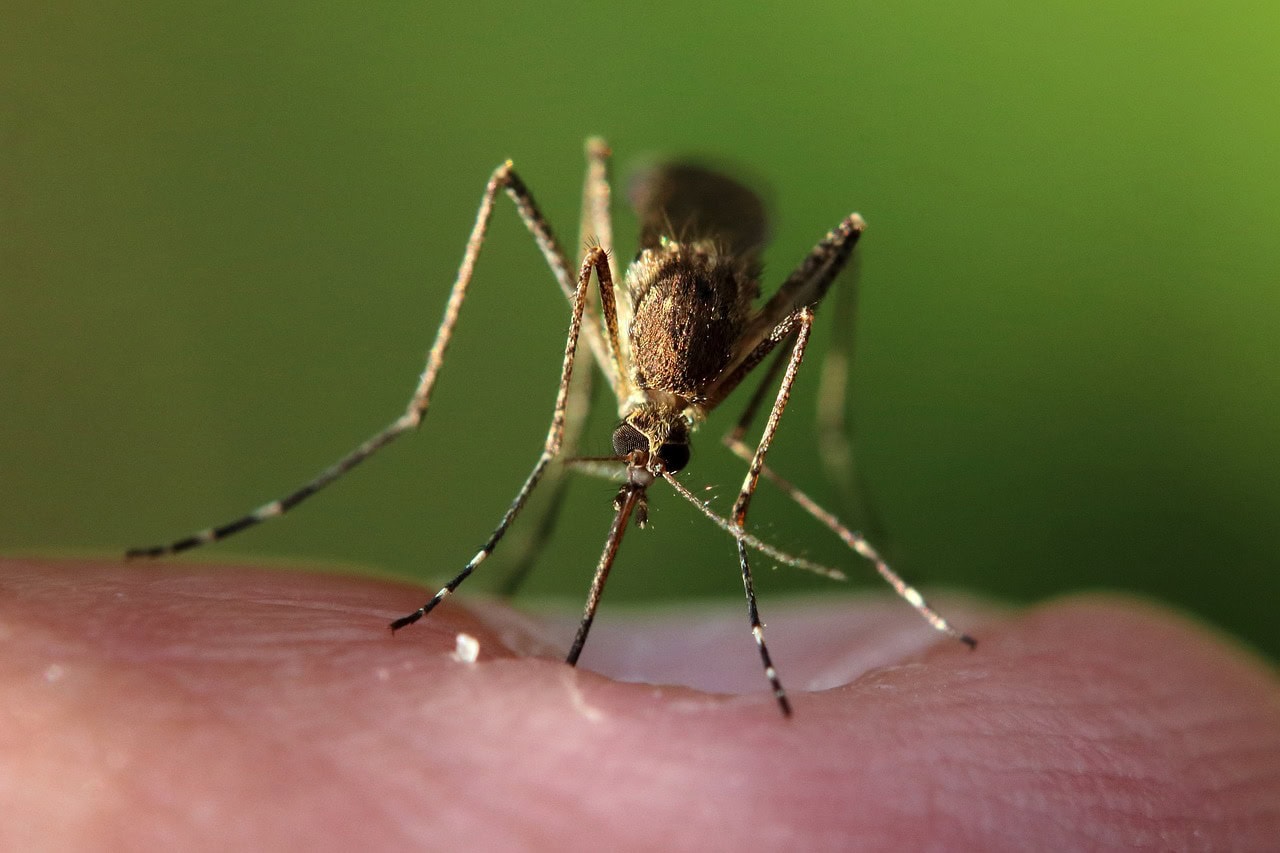
Image: Pixabay
Pest Control Kincardine Ontario: Navigating Cloudy, Damp Mid-March (March 18, 2026)
Welcome back to our weekly bug report, Kincardine! This week, as March 18, 2026, settles in with a damp 1.34°C (34°F) under a blanket of clouds and 100% humidity, it’s a perfect time to discuss proactive pest control Kincardine Ontario strategies. While many of us are still bundled up for walks along the Kincardine Lighthouse pier or enjoying the quiet tranquility of the beach before the summer crowds arrive, pests are subtly reacting to these conditions. Our experience across this Great Lakes climate region tells us that even on cloudy, humid days like these, understanding the minor shifts can make a big difference. For homeowners here in Kincardine, the good news is that our overall bug risk level remains Low this week. This means that while some common overwintering pests might still be seeking shelter indoors, we’re not seeing significant activity or new pest introductions due to the lingering cold and damp.
This Week’s Weather and What It Means for Bugs
Kincardine residents experienced very cold and saturated conditions this week, with the temperature hovering at 1.34°C (34°F) and humidity reaching 100%. These specific measurements paint a clear picture for pest activity: a significant slowdown. At 1.34°C, the vast majority of insect metabolism is drastically reduced, pushing many species into a state of torpor or diapause. According to entomological research from the University of Guelph, temperatures below 5°C (41°F) are critical for inducing overwintering behaviors in temperate zone insects, effectively halting development and reproduction. While 100% humidity typically favors moisture-loving pests, the overriding factor of near-freezing temperatures means that even these species will prioritize survival over activity, seeking refuge from the cold rather than actively foraging or breeding.
For common overwintering pests, these conditions mean they remain firmly in their dormant state. For instance, Boxelder Bugs (Boisea trivittata) and Cluster Flies (Pollenia rudis), which often seek shelter in Kincardine homes during the colder months, would be entirely inactive at 1.34°C. Studies from the Ontario Ministry of Agriculture, Food and Rural Affairs indicate that these nuisance pests enter a quiescent state in sheltered wall voids, attics, or structural cracks once outdoor temperatures consistently drop to near freezing, preventing any emergence or significant indoor activity. Similarly, the high 100% humidity combined with the 1.34°C temperature suppresses the activity of outdoor mollusks like Slugs (e.g., Deroceras reticulatum). While slugs thrive in high moisture, research from the University of Michigan suggests that surface activity ceases and they burrow into the soil or under debris to avoid freezing and desiccation at temperatures around 0-5°C, ensuring their survival through periods of intense cold and wetness.
What to Do This Week in Kincardine
With our current 100% humidity and just-above-freezing temperatures here in Kincardine, proactive moisture management is your top priority. This week’s damp, cloudy conditions offer an open invitation for moisture-loving pests like silverfish, centipedes, and even certain types of ants that thrive in humid environments. Start by thoroughly inspecting your basement, crawl space, and utility rooms for any signs of leaks, condensation, or persistent dampness. Ensure proper ventilation, especially in bathrooms and kitchens, and consider running a dehumidifier if you notice high indoor humidity. Addressing these moisture sources now is crucial, as standing water or damp wood can quickly become a haven for unwanted guests as the weather slowly transitions.
Even with a low bug risk, critters like mice and overwintering insects (think cluster flies or lady beetles that may have snuck in last fall) are still looking for warmth or trying to stay put. This week, take a walk around your home’s exterior and interior, paying close attention to gaps around window frames, door sweeps, and where utility lines enter your home. A bit of caulk or weatherstripping now can make a huge difference, preventing new pests from entering as spring approaches. Furthermore, for homeowners in Kincardine, especially those with older homes or properties closer to Lake Huron, inspect your gutters and eaves. Our strong lake winds and recent precipitation mean gutters can easily become clogged, directing water right against your foundation – a prime attractant for moisture-loving pests. Ensuring your downspouts are clear and extended well away from the foundation, and checking for any small gaps in your soffits and fascias, is a smart preventative step. For comprehensive pest control Kincardine Ontario residents trust, early prevention like this is key to a pest-free home.
Frequently Asked Questions about Pest Activity in Kincardine
What common pests should Kincardine residents watch for in early spring?
In Kincardine during early spring, common concerns include overwintering pests like cluster flies and boxelder bugs emerging from dormancy. Rodents, such as mice, may also be seeking shelter or food sources as outdoor conditions change. Inspect entry points and seal cracks to deter these early season invaders effectively.
Are rodents a significant problem for Kincardine homes as winter ends?
While the coldest winter days are fading, rodents like mice and voles can still be active, seeking food and warmth in Kincardine homes. They often enter through small gaps in foundations or around pipes. Keeping basements and attics clutter-free and sealing entry points helps mitigate these issues effectively.
What pest issues might residents in Kincardine’s Lakeshore Heights area typically encounter?
Residents in Kincardine’s Lakeshore Heights, with its proximity to the lake and green spaces, often encounter carpenter ants seeking new nests in damp wood, especially after winter. Spiders and occasional cluster flies can also be common. Regular property inspections and maintaining good exterior drainage are key preventative measures.
When is the ideal time for proactive pest control in Kincardine, Ontario?
The early spring, like mid-March, is an excellent time for proactive pest control Kincardine Ontario, focusing on prevention. Addressing potential entry points and applying perimeter treatments before pests become established can significantly reduce seasonal infestations. This foresight minimizes issues with emerging insects and rodents seeking new habitats.
Protect Your Home in Kincardine, Ontario
Don’t let local bug activity catch you off guard. Visit our local store to get expert advice and the right supplies for your specific location.