Bug Report: Dewberry, Alberta – 2026-03-18
This Forecast is Out of Date. Please visit https://justbiteme.com/regional-bug-bite-forecast for an updated forecast

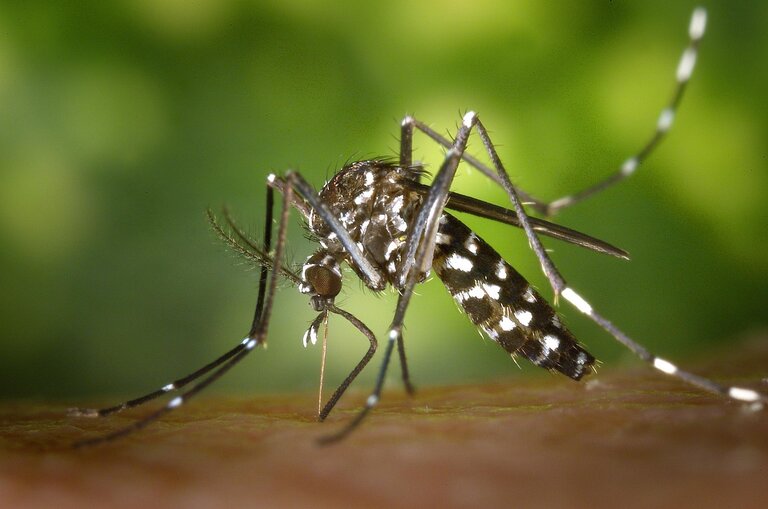
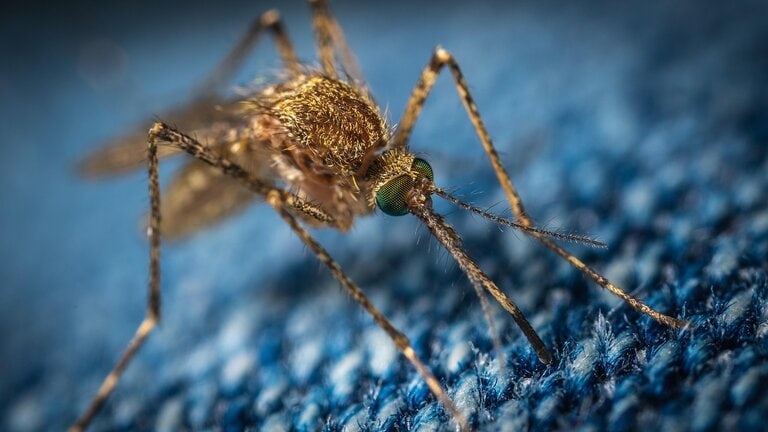
Image: Pixabay
Pest Control Dewberry Alberta: Your Weekly Bug Report for March 18, 2026 – Cloudy and Humid at 1.52°C
Pest control Dewberry Alberta is crucial even in early spring. This week, as we observe the persistent clouds and high 99% humidity at 1.52°C, many of us are starting to think about spring thaw. For those living around the Dewberry & District Agricultural Society grounds or managing rural properties, you might notice very little insect activity right now. This is largely due to the characteristically cold prairie climate of Alberta, keeping most pests dormant. We’re currently at a Low risk level, meaning homeowners can enjoy a temporary reprieve from active infestations, but vigilance is always key.
This Week’s Weather and What It Means for Bugs
This week in Dewberry, Alberta, conditions were characterized by a cool 1.52°C (35°F) and an exceptionally high 99% humidity, along with cloudy skies. These specific measurements paint a clear picture for pest activity: most insect life cycles are either paused or significantly slowed, but the near-saturation humidity plays a crucial role in survival for many species. At 1.52°C, temperatures remain below the developmental threshold for the vast majority of insects, meaning active feeding, reproduction, and rapid growth are largely non-existent. Instead, pests are either in a state of diapause (a period of arrested development) or torpor, seeking sheltered locations to survive the cold. However, the 99% humidity is a critical factor influencing physiological processes, even at these low temperatures.
For common overwintering pests such as the Western Conifer Seed Bug (Leptoglossus occidentalis) and Cluster Flies (Pollenia rudis), the 1.52°C temperature means they are largely inactive, typically harboured within structural voids of homes and buildings. The measured 99% humidity is particularly relevant for their survival during this dormant phase. According to research from the University of Calgary’s Department of Biological Sciences, exceptionally high ambient humidity, such as the 99% observed this week, significantly reduces water loss and the risk of desiccation in dormant insects. This increased environmental moisture can enhance their overwintering success by preventing physiological stress, thus potentially leading to higher survival rates in unheated sheltered locations like attics or wall voids, where they are commonly found during these cold periods.
While 1.52°C is far too cold for significant outdoor activity of pests like the Silverfish (Lepisma saccharina), the exceptionally high 99% humidity measured this week is a critical environmental factor that impacts their indoor presence. These saturated outdoor conditions strongly suggest a higher likelihood of elevated indoor humidity levels, especially in poorly ventilated basements, bathrooms, or crawl spaces. Entomological studies from the University of Alberta indicate that silverfish thrive in environments with relative humidity between 75-97%. While they also require warmer temperatures (typically above 20°C) for optimal development, the observed 99% outdoor humidity this week emphasizes conditions highly conducive to supporting silverfish survival and even reproduction within sufficiently warm and damp indoor environments, where they can continue to feed on starches and cellulose materials.
What to Do This Week in Dewberry
As we navigate mid-March here in Dewberry, with temperatures hovering just above freezing at 1.52°C and a very humid 99% in the air, it’s a prime time to be proactive about pest prevention. While our overall bug risk is low, these damp, cloudy conditions can create perfect hiding spots or attract unwanted guests indoors. First, take a careful look around your home’s interior, especially in basements, bathrooms, and utility rooms, for any signs of dampness, condensation, or small leaks. With high outdoor humidity, indoor moisture issues can easily arise, attracting moisture-loving pests like silverfish, centipedes, and even certain types of beetles. Addressing any drips or persistent damp spots now will keep your home less appealing to these critters.
Second, this week is ideal for sealing up any small cracks, gaps, or openings you might find around your home. Pay particular attention to window frames, door sweeps, and especially where utility lines (such as pipes or electrical conduits) enter your home – a common entry point for pests in many rural Alberta homes, including those right here in Dewberry. Even a small gap can be an open invitation for mice seeking warmth as temperatures fluctuate, or for overwintering insects to wake up and look for new shelter. Third, ensure any lingering snow or ice piles around your foundation are cleared away. As they slowly melt, they can create pooling water against your home, leading to dampness and potential entry points. Finally, double-check that your outdoor garbage bins are securely lidded and tightly sealed. Even with many pests still sluggish, hungry rodents are always on the prowl. Taking these simple, actionable steps now can significantly reduce your need for pest control Dewberry Alberta services later as spring truly arrives.
Frequently Asked Questions about Pest Activity in Dewberry
What are the typical pest concerns for Dewberry residents in early spring?
In early spring (March), Dewberry typically sees minimal pest activity. Residents might notice overwintering pests like cluster flies or box elder bugs emerging on warmer days. Rodents seeking shelter during winter may also become more active. General home sealing and cleanup are good preventative steps to take around your home.
When should Dewberry residents consider professional pest control services?
Even with low risk, if you observe persistent rodent droppings, ant trails indoors, or recurring insect infestations, it’s wise to contact a professional. Early intervention can prevent larger problems. For effective and localized solutions, considering experienced pest control Dewberry Alberta specialists is recommended to address specific concerns efficiently.
Are homes near the Dewberry Ag Society grounds more prone to certain pests?
Properties bordering agricultural areas like the Dewberry Ag Society grounds might occasionally experience increased rodent activity or certain field insects seeking shelter, especially during seasonal changes or harvesting. Maintaining a tidy perimeter and sealing entry points are crucial preventative measures for these homes to minimize potential pest entry.
What preventative steps can Dewberry homeowners take against pests this time of year?
As spring approaches, focus on sealing cracks and gaps in foundations and around windows/doors. Clear debris, trim vegetation away from the house, and ensure proper drainage. Store firewood away from the home and off the ground. These measures help deter rodents and insects seeking warmth and shelter indoors.
Protect Your Home in Dewberry, Alberta
Don’t let local bug activity catch you off guard. Visit our local store to get expert advice and the right supplies for your specific location.