Bug Report: Vermilion, Alberta – 2026-03-18
This Forecast is Out of Date. Please visit https://justbiteme.com/regional-bug-bite-forecast for an updated forecast

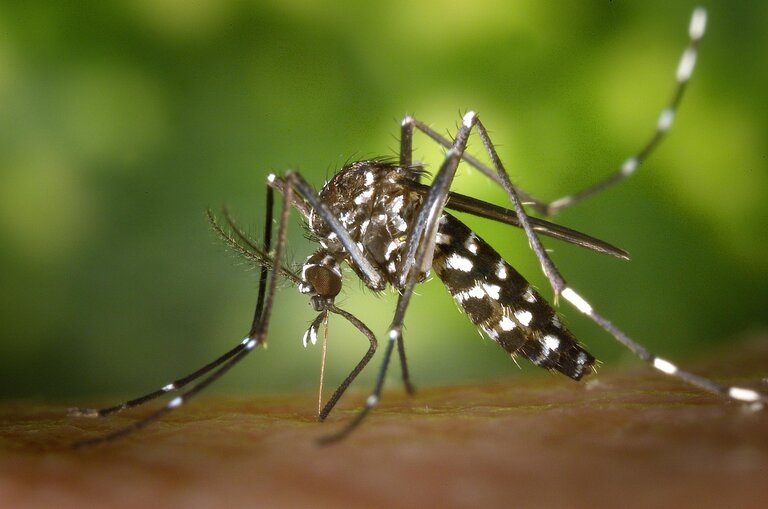
Image: Pixabay
Pest Control Vermilion Alberta: Low Risk Amidst Cloudy, Humid Spring Conditions (March 18, 2026)
Welcome back, Vermilion homeowners! As your local pest control expert with 15 years of experience tackling Alberta’s unique challenges, I’m here with your weekly update for March 18, 2026. This week, we’re seeing cloudy skies, 100% humidity, and temperatures hovering around 2.73°C (37°F). For pest control Vermilion Alberta residents, this translates to a Low risk level for most common household invaders. Even as the Vermilion River begins its slow thaw near Vermilion Provincial Park, signaling the gentle awakening of our beautiful prairie spring, immediate pest threats are minimal. This low risk means you likely won’t be dealing with active infestations just yet, but it’s the perfect time to think about preventative measures.
This Week’s Weather and What It Means for Bugs
This week’s conditions in Vermilion, with a temperature of 2.73°C (37°F) and 100% humidity, create a challenging environment for most active insect pests. At 2.73°C, the vast majority of ectothermic (cold-blooded) insects experience significantly reduced metabolic rates, leading to dormancy, diapause, or quiescence. According to entomological studies at the University of Alberta, insect activity thresholds are typically much higher, often requiring temperatures above 7-10°C for significant movement or feeding. The pervasive 100% humidity, while not directly stimulating activity at such low temperatures, ensures a moist environment that prevents desiccation for any exposed organisms, and contributes to overall dampness that can drive other pests indoors.
For pests like the Cluster Fly (Pollenia rudis), the 2.73°C temperature means they remain largely inactive in their overwintering sites, such as attics or wall voids. Research from the University of Saskatchewan indicates that these flies require consistent temperatures above 10°C to emerge from dormancy and become active nuisances indoors. While the 100% humidity itself doesn’t directly affect their dormant state, it contributes to overall cooler, damp conditions outdoors which further encourages their desire for dry, sheltered overwintering locations. Meanwhile, the combination of 2.73°C and 100% humidity significantly impacts rodents such as the House Mouse (Mus musculus). According to pest management guidelines from the University of Manitoba, temperatures below 5°C dramatically increase the drive for rodents to seek indoor harborage for warmth and shelter, while high outdoor humidity can render potential food sources damp and less appealing, pushing them towards drier, indoor provisions.
Interestingly, some pests can exhibit low-level activity even at these near-freezing temperatures. Blacklegged Ticks (Ixodes scapularis), for example, have been observed to quest for hosts in temperatures as low as 0°C. Research from the University of Guelph suggests that at 2.73°C, while their mobility is greatly reduced, 100% humidity is crucial for their survival by preventing desiccation during these brief periods of potential activity. This high moisture content helps maintain their physiological viability, meaning while not highly active, the conditions allow them to remain a potential, albeit sluggish, threat during winter thaws in Vermilion.
What to Do This Week in Vermilion
As we navigate the week of March 18th in Vermilion, with temperatures hovering around 2.73°C (37°F) and a full 100% humidity under cloudy skies, the pest risk remains low. However, this is precisely the time to get ahead! First, prioritize a thorough **moisture inspection**. The persistent high humidity means any existing leaks, condensation, or damp spots in your basement, crawl space, or under sinks become prime breeding grounds for moisture-loving pests like silverfish and sowbugs, or even mold, which can attract other critters. Ensure your eavestroughs are clear of any lingering autumn debris to direct water effectively away from your foundation, preventing pooling.
Next, take advantage of the low insect activity to **seal up minor entry points**. Even in the cold, rodents and other pests will be seeking any available warmth and shelter. Check around windows, doors, and utility line penetrations for small gaps or cracks, and apply caulk or weatherstripping where needed. Finally, for homeowners specifically in Vermilion, pay close attention to **exterior vents and utility line entries**, especially if you have an older charming home or live near our natural areas. Many Vermilion residences might have older dryer vents, bathroom exhaust covers, or utility pipe entries that have degraded or lost their screens. These are easy gateways for mice, voles, or even cluster flies seeking refuge. Proactive pest control Vermilion Alberta actions now will make a significant difference as temperatures begin their inevitable climb in the coming weeks.
Frequently Asked Questions about Pest Activity in Vermilion
What are the most common pests homeowners in Vermilion might encounter in mid-March?
In Vermilion during mid-March, common indoor pests include mice seeking warmth, cluster flies overwintering, and occasional spiders. While outdoor insect activity is still low, rodents remain a primary concern as they search for food and shelter from fluctuating temperatures, especially near agricultural areas.
How can I best prepare my Vermilion home for spring pest activity?
To prepare your Vermilion home, seal cracks and gaps in foundations and around windows. Ensure proper drainage and clear debris from gutters. Regular cleaning and tidying inside will deter pests. For persistent issues or proactive measures, consider contacting a professional for pest control Vermilion Alberta services to establish a preventive barrier.
Are there particular pest concerns for properties near Lakeland College in Vermilion?
Properties near Lakeland College in Vermilion might experience increased rodent activity due to nearby green spaces and potential food sources from student residences. Squirrels and mice are common, seeking shelter in buildings. Maintaining secure garbage bins and sealing entry points are crucial for these specific areas to prevent infestations.
Despite a low bug risk, what preventative steps should Vermilion residents take now?
Even with a low bug risk in Vermilion, mid-March is ideal for proactive prevention. Focus on sealing all potential entry points into your home, from foundational cracks to gaps around utility lines. Ensure screens are intact. This minimizes opportunities for rodents and overwintering insects to enter before spring truly arrives and activity increases.
What signs indicate I might have a rodent problem in my Vermilion home this time of year?
In Vermilion during early spring, look for droppings, gnaw marks on food packaging or structures, and scratching noises in walls or attics, especially at night. A musky odor can also indicate their presence. Seeing a live rodent, even infrequently, is a strong sign of an established problem needing attention.
Protect Your Home in Vermilion, Alberta
Don’t let local bug activity catch you off guard. Visit our local store to get expert advice and the right supplies for your specific location.