Bug Report: Biggar, Saskatchewan – 2026-03-18
This Forecast is Out of Date. Please visit https://justbiteme.com/regional-bug-bite-forecast for an updated forecast

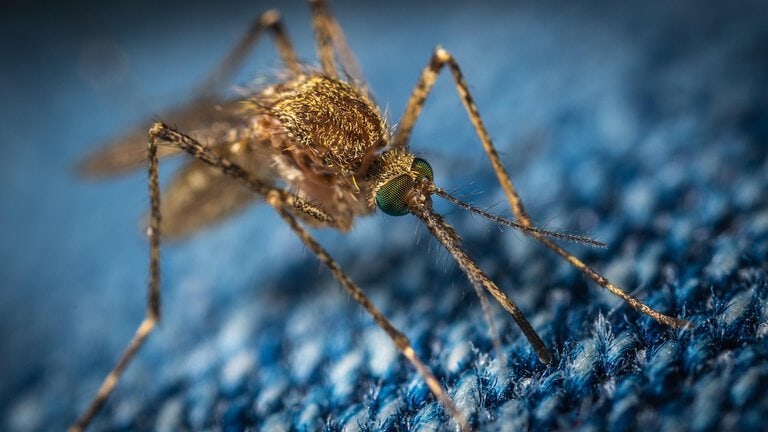
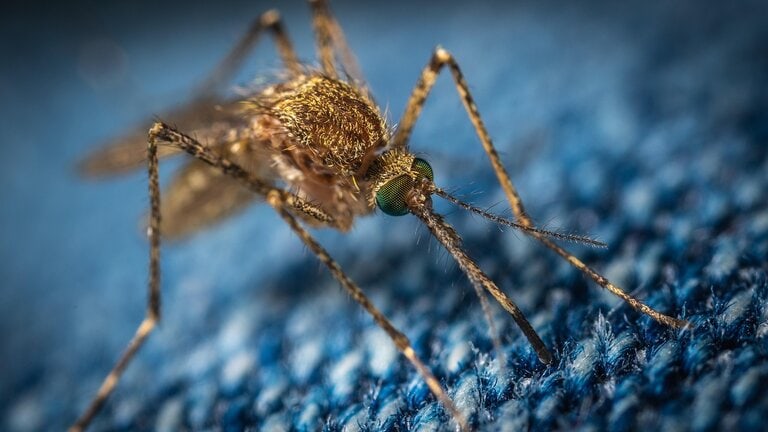
Image: Pixabay
Pest Control Biggar Saskatchewan: What the Cloudy, 4.41°C Day Means for Your Home This Week
As we roll into the week of March 18th here in Biggar, with the skies overcast, humidity a whopping 98%, and temperatures hovering around 4.41°C, many of you are likely already dreaming of warmer days at the Biggar & District Regional Park. For effective pest control Biggar Saskatchewan, understanding these conditions is key. This week, I’m happy to report a Low bug risk level, which means most common household pests are still largely inactive or deeply hunkered down against the lingering chill of our prairie climate. Homeowners can take a breather from immediate pest concerns, but it’s an ideal time for preventative measures before the real thaw.
This Week’s Weather and What It Means for Bugs
The measured conditions in Biggar this week, particularly the temperature of 4.41°C (40°F) and 98% humidity, significantly influence pest biology by limiting activity and development. At 4.41°C, most ectothermic insects experience a drastic reduction in metabolic rate, effectively halting active foraging, mating, and reproduction. According to research from the University of Saskatchewan’s Department of Entomology, temperatures below 5°C (41°F) are typically associated with insect quiescence or diapause, a state of arrested development, for many temperate species. The exceptionally high humidity of 98%, while not directly promoting activity at such low temperatures, does create a moist environment that can prevent desiccation for organisms seeking shelter, and potentially foster the growth of fungi that may impact overwintering insects or organic matter.
For common overwintering pests like the Boxelder Bug (Boisea trivittata), the 4.41°C (40°F) outdoor temperature ensures they remain largely dormant within sheltered locations such as wall voids and attics, exhibiting minimal to no activity. Even if internal temperatures are slightly higher, the cold exterior prevents any outdoor emergence or significant movement, meaning residents are unlikely to encounter them actively outside. Similarly, mosquito species prevalent in Saskatchewan, such as Culiseta inornata, which are known for their cold tolerance, would have their life cycles severely impacted. At 4.41°C (40°F), adult mosquitoes would be incapable of flight or blood-feeding, and any larval development in standing water would be entirely arrested or proceed at an imperceptible rate, as documented by studies at the University of Manitoba on cold-climate mosquito ecology.
However, certain arthropods are better adapted to cooler, damp conditions. Springtails (order Collembola), for instance, thrive in high humidity and are known to be active at low temperatures, albeit at a reduced pace. The 98% humidity this week is highly favorable for springtails, as they are susceptible to desiccation and require moist environments to survive. While their activity and reproductive rates would be significantly slowed by the 4.41°C (40°F) temperature compared to warmer conditions, they could still be slowly moving and feeding on fungi and decaying organic matter in damp soil or leaf litter, as noted by ecological entomology research from the University of Alberta. This combination of high moisture and just-above-freezing temperatures creates microhabitats where some cold-tolerant decomposers can persist.
What to Do This Week in Biggar
Alright folks, another week here in Biggar, and while our bug risk level is low, those chilly 4.41°C (40°F) temperatures combined with a whopping 98% humidity mean one thing: moisture is king! This is the perfect environment for many unwanted guests, even if they’re still sluggish. Your top priority this week should be proactive moisture control inside your home. Take a good look at your basement and crawl spaces – common features in many Biggar Saskatchewan homes – checking for any condensation, leaks, or damp spots. Running a dehumidifier, especially in lower levels, can make a huge difference in preventing the kind of damp conditions that attract silverfish, earwigs, and even some rodents seeking shelter from the exterior dampness.
Beyond managing indoor humidity, now is an excellent time for a quick perimeter check. With clouds overhead and everything feeling saturated, pests will be looking for any dry, sheltered spot they can find. Inspect the caulking around windows and doors, paying close attention to utility entry points where pipes and wires enter your home. Even small cracks can be an open invitation. Additionally, clear any leaf litter, old mulch, or debris directly against your foundation. These damp piles create ideal harborage for insects and other critters. Taking these simple, proactive steps is vital for effective pest control Biggar Saskatchewan, ensuring your home stays comfortable and critter-free as we slowly transition towards spring.
Frequently Asked Questions about Pest Activity in Biggar
What common pests should Biggar residents watch for in mid-March?
Despite low bug risk this week, Biggar residents should watch for overwintering pests like cluster flies or boxelder bugs emerging on warmer days. Mice might also seek indoor food sources as outdoor foraging is limited. Early vigilance around entry points and attics is key to preventing these opportunistic invaders.
When is the best time for preventative pest control in Biggar, Saskatchewan?
Early spring is ideal for preventative measures against seasonal invaders. For persistent issues, professional pest control Biggar Saskatchewan services can assess and treat year-round. Given the low bug risk this week, it’s a good time for outdoor perimeter checks and sealing cracks proactively before warmer weather arrives.
Are properties near Biggar’s agricultural lands more prone to specific pests?
Yes, homes bordering agricultural areas in Biggar can experience increased rodent activity, especially mice, seeking shelter. Certain field insects like earwigs or crickets might also migrate indoors during temperature fluctuations. Sealing foundations and ensuring tight door/window seals are crucial preventative steps for these specific properties.
With low bug risk this week (March 18, 2026), what preventative steps can Biggar homeowners take?
Biggar homeowners can proactively secure their homes. Ensure all doors and windows seal properly, clear any accumulated yard debris, and inspect foundations and siding for cracks or gaps. These actions prevent opportunistic pests like mice or overwintering insects from gaining entry as temperatures begin to fluctuate towards spring.
What signs indicate I might need indoor pest control even during Biggar’s cooler months?
Look for droppings, gnaw marks, or scratching noises, which often signal rodent activity in walls or attics. Even in cooler months, ants can forage indoors if food is accessible. Persistent spider webs in undisturbed indoor areas could also indicate an ongoing pest presence requiring attention, regardless of outdoor temperatures.
Protect Your Home in Biggar, Saskatchewan
Don’t let local bug activity catch you off guard. Visit our local store to get expert advice and the right supplies for your specific location.