Bug Report: Indian Head, Saskatchewan – 2026-03-18
This Forecast is Out of Date. Please visit https://justbiteme.com/regional-bug-bite-forecast for an updated forecast

Image: Pixabay
Pest Control Indian Head Saskatchewan: Weekly Bug Report for March 18th – Early Spring Warmth and Cloudy Skies
Welcome back, Indian Head homeowners! As your experienced local specialist in pest control Indian Head Saskatchewan, I’m here to provide your weekly update for March 18th. With the temperature hitting a mild 10.69°C (51°F) and 85% humidity under cloudy skies, many of us are starting to feel the first hints of spring. As residents might be enjoying a stroll down Grand Avenue or planning early garden tasks near the AAFC research lands, it’s natural to wonder what pests are stirring. Good news for this week: the overall bug risk level remains LOW across Indian Head. This means while some early risers might be spotted, there isn’t an immediate widespread threat to your homes in our distinct prairie climate, offering a perfect window for proactive measures.
This Week’s Weather and What It Means for Bugs
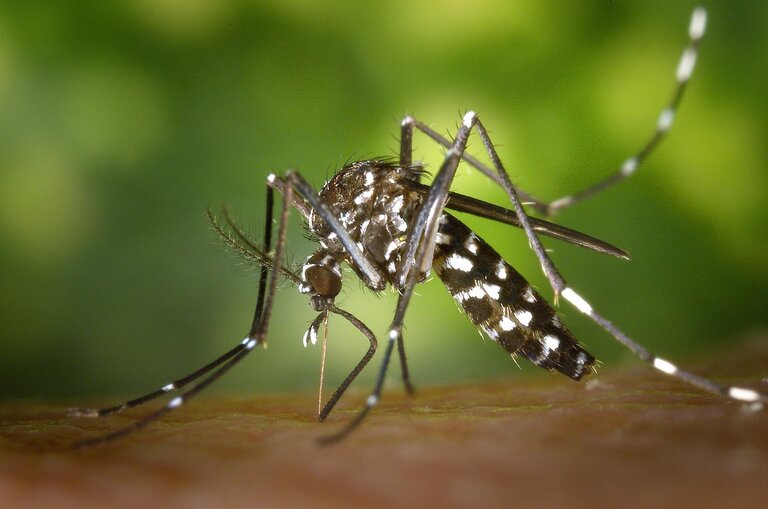
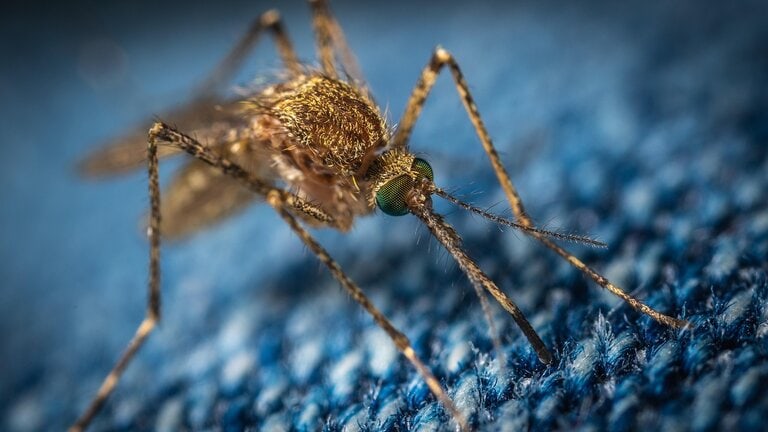
The conditions this week in Indian Head, Saskatchewan, featuring a temperature of 10.69°C (51°F) and a high humidity of 85% under cloudy skies, create a nuanced environment for local pest activity. While 10.69°C is above freezing, it’s cool enough to slow down the metabolism and development of many insect species. However, the significantly elevated 85% humidity plays a crucial role, mitigating desiccation risks that many arthropods face, especially during periods of activity outside of sheltered locations. For instance, mosquito species like the Common Floodwater Mosquito (Aedes vexans) will find that their larval development, though possible at 10.69°C, will be considerably prolonged compared to warmer temperatures. However, according to research from the University of Manitoba, the 85% humidity directly supports the survival of adult mosquitoes by reducing water loss, allowing them to remain active for longer periods and seek out standing water for egg-laying, even if development rates are slower.
These specific conditions also influence overwintering and moisture-loving pests. Boxelder bugs (Boisea trivittata), which often seek shelter indoors during colder months, may show some emergence from their overwintering sites as temperatures reach 10.69°C. Studies from institutions such as the University of Nebraska-Lincoln indicate that while this temperature encourages some stirring, widespread dispersal or feeding activity remains moderate, with the 85% humidity providing a suitable external environment as they explore. Furthermore, the combination of 10.69°C and 85% humidity is particularly favorable for pests such as earwigs (Forficula auricularia). Research from the University of California, Berkeley, highlights that earwigs thrive in cool, damp conditions. The prevailing 85% humidity, paired with the moderate temperature, creates optimal conditions for their foraging activity in gardens and around structures, minimizing desiccation and promoting their presence in moist leaf litter and under rocks, potentially leading to increased nuisance around homes.
What to Do This Week in Indian Head
Hello Indian Head neighbours! As we head into the week of March 18th, with temperatures hovering around 10.69°C and that noticeable 85% humidity under cloudy skies, pests are starting to stir, even if the overall risk is low right now. This is a prime time for proactive measures. First, take a walk around your home’s exterior and inspect your foundation, especially those older homes common in our town. Look for any new cracks, gaps around utility lines, or openings where critters might squeeze in as they emerge looking for warmth. Sealing these entry points now with good quality caulk or steel wool prevents ants, spiders, and even small rodents from making their way inside as the spring progresses. High humidity means damp entryways are even more inviting.
Second, with that high humidity and cloud cover, effective moisture management is critical. Make sure your gutters and downspouts are clear of any lingering winter debris. Clogged gutters can cause water to pool near your foundation, creating ideal damp conditions that attract carpenter ants and other moisture-loving pests. Lastly, if you have a basement or crawl space, ensure it’s well-ventilated. Consider running a dehumidifier if dampness is an issue, as high humidity fosters an environment ripe for silverfish, centipedes, and other crawling insects. Taking these preventative steps now can save you headaches later and is a smart part of comprehensive pest control Indian Head Saskatchewan.
Frequently Asked Questions about Pest Activity in Indian Head
What common pests are active in Indian Head during mid-March?
Mid-March in Indian Head often sees overwintering pests like cluster flies, boxelder bugs, and spiders becoming more active indoors as temperatures fluctuate. Rodents might still be seeking shelter. Ants could also start scouting for food sources indoors as the weather gradually warms.
Are residential properties in Indian Head’s North End more prone to specific pests in early spring?
Residential properties, including those in the North End, might experience increased rodent activity as they seek shelter from lingering cold or emerging food sources. Overwintering insects like spiders or cluster flies can also become more noticeable indoors as spring approaches.
What steps can Indian Head residents take to prevent early spring pest problems?
Sealing cracks and entry points, ensuring proper food storage, and promptly cleaning spills are crucial. Regular property inspections can identify potential issues early. For persistent problems, seeking professional **pest control Indian Head Saskatchewan** services is highly advisable to implement effective, long-term prevention strategies.
What should Indian Head homeowners do if they find mice in March?
If you find mice, immediately remove food sources and seal accessible entry points. Set traps responsibly and check them regularly. For an ongoing infestation, contacting a local pest control service in Indian Head is recommended for a thorough inspection and humane removal, ensuring long-term relief.
What are common signs of overwintering pests emerging inside Indian Head homes?
Look for cluster flies on windows, boxelder bugs congregating on sunny walls, or lady beetles active indoors. Spiders might also become more visible as they emerge from hibernation. These pests typically become noticeable inside Indian Head homes as indoor temperatures rise in early spring.
Protect Your Home in Indian Head, Saskatchewan
Don’t let local bug activity catch you off guard. Visit our local store to get expert advice and the right supplies for your specific location.