Bug Report: Oxford, Mississippi – 2026-03-17
This Forecast is Out of Date. Please visit https://justbiteme.com/regional-bug-bite-forecast for an updated forecast

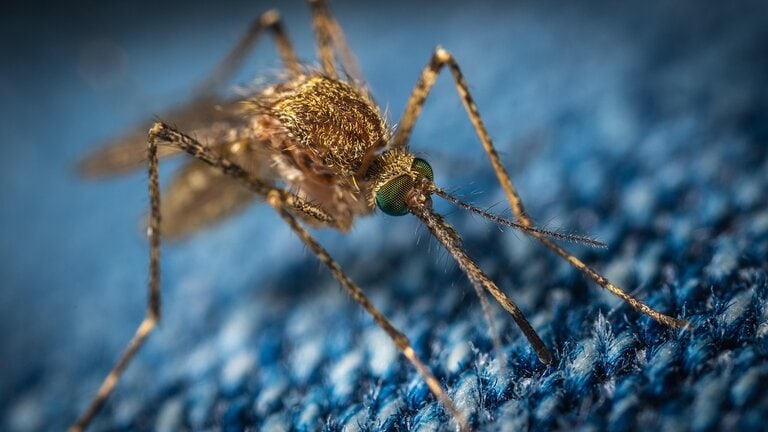
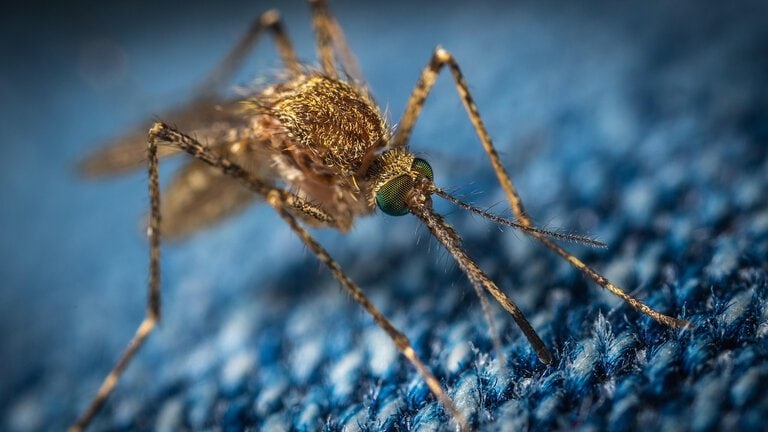
Image: Pixabay
Your Weekly Pest Control Oxford Mississippi Update: Cloudy & Cool Conditions for March 17th, 2026
Welcome, Oxford homeowners! As your trusted local expert with 15 years dedicated to pest control Oxford Mississippi, I’m here to provide your weekly update for March 17th, 2026. With cloudy skies, a brisk 39°F, and 90% humidity settling over our town, the overall bug risk remains commendably low. This means that while you might enjoy a peaceful stroll near Rowan Oak without encountering much active pest movement, it’s a time of minimal outdoor insect activity. However, in our characteristic humid South climate, even these quiet periods are essential for proactive planning, as conditions can shift rapidly.
This Week’s Weather and What It Means for Bugs
This week’s measured conditions in Oxford, Mississippi, with a temperature of 3.98°C (39°F) and 90% humidity under cloudy skies, create a specific set of challenges and opportunities for local pest populations. For subterranean pests like the Eastern subterranean termite (Reticulitermes flavipes), the 3.98°C (39°F) temperature significantly reduces their activity levels. According to research from the University of Florida, these termites exhibit substantially decreased foraging and wood consumption activity when temperatures drop below 10°C (50°F), meaning their surface-level exploration will be minimal. However, the persistently high 90% humidity is a critical factor for their survival, as studies by researchers at Texas A&M University indicate that high moisture content is vital for maintaining termite colony health and preventing desiccation, even when the overall metabolic rate is slowed by the cold.
Meanwhile, common indoor pests such as the German cockroach (Blattella germanica) are largely unaffected by the outdoor cold in their established indoor harborages. The 3.98°C (39°F) outdoor temperature ensures that these cockroaches remain strictly an indoor issue, as such conditions are lethal for their outdoor survival, according to entomological guidelines from Purdue University. Furthermore, pests that overwinter in sheltered locations, like the Brown Marmorated Stink Bug (Halyomorpha halys), will remain in a state of diapause at 3.98°C (39°F). These insects aggregate in wall voids, attics, and other protected areas within or around structures, as noted by researchers at Virginia Tech. The consistent 90% humidity, even at this low temperature, can be beneficial for their survival during this dormant period by helping to reduce desiccation rates, a critical factor for insect overwintering success highlighted by studies from the University of Georgia.
What to Do This Week in Oxford
As we navigate this cool, damp week in Oxford with temperatures hovering around 3.98°C and high humidity, pests are primarily focused on finding warm, dry shelter. While the bug risk is currently low, proactive steps now are key to keeping it that way. First, take a walk around the exterior of your home and seal up any visible gaps, cracks, or openings, no matter how small. Critters like mice, spiders, and various overwintering insects are actively seeking entry points to escape the cold. Secondly, with 90% humidity in the air, pay close attention to potential indoor moisture sources. Check under sinks, around pipes, and in basements for any leaks or condensation, as damp environments can attract silverfish, cockroaches, and even rodents seeking water.
Considering the unique charm of our Oxford homes, it’s also a smart idea this week to inspect your crawl spaces and attics, especially if you live in an older property. These often-overlooked areas can become prime real estate for rodents and other pests looking to escape the cold and damp, and they are particularly susceptible to moisture accumulation. Finally, ensure any leaf litter, woodpiles, or debris are cleared away from your home’s foundation. These provide excellent harborage for pests trying to overwinter or simply seeking warmth near your house. Taking these straightforward actions is a fundamental part of effective pest control Oxford Mississippi homeowners can implement to maintain a healthy, pest-free home year-round.
Frequently Asked Questions about Pest Activity in Oxford
What common pests should Oxford residents be aware of in early spring?
Early spring in Oxford generally sees increased ant and occasional spider activity as temperatures rise. Mosquitoes may start to emerge near standing water. Termites begin swarming. Proactive pest control in Oxford Mississippi is advisable to prevent these common early-season issues from escalating as the weather warms.
Are homes near Oxford’s Historic Downtown Square more prone to specific pest issues?
Properties near Oxford’s Historic Downtown Square might experience increased rodent or cockroach sightings due to nearby restaurants and commercial activity. Older homes could also be more susceptible to termites or moisture-related pests. Regular inspections are crucial for early detection and prevention in these high-traffic, established areas.
What are the most common household pests faced by homeowners in Oxford, Mississippi?
Oxford homeowners frequently encounter nuisance pests like ants, spiders, and occasional cockroaches, especially during seasonal changes. Termites are a perennial concern due to the climate, and mosquitoes become active with warmer weather. Identifying entry points and maintaining cleanliness helps deter these common intruders effectively year-round.
What should Oxford residents know about termite activity as spring approaches?
Termite swarm season in Oxford typically begins in early spring, especially after heavy rains and rising temperatures. Homeowners should watch for discarded wings, mud tubes, or damaged wood. While current risk is low, preventative measures and professional inspections are vital to protect properties from significant structural damage over time.
Protect Your Home in Oxford, Mississippi
Don’t let local bug activity catch you off guard. Visit our local store to get expert advice and the right supplies for your specific location.