Bug Report: Slana, Alaska – 2026-03-17
This Forecast is Out of Date. Please visit https://justbiteme.com/regional-bug-bite-forecast for an updated forecast

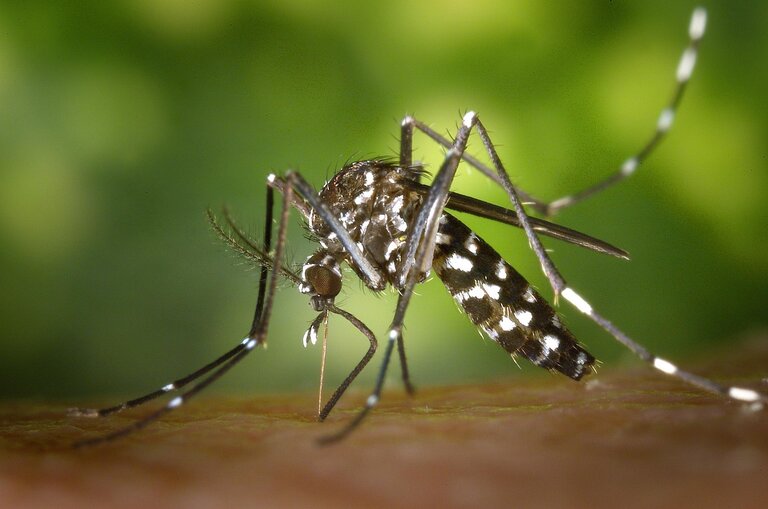
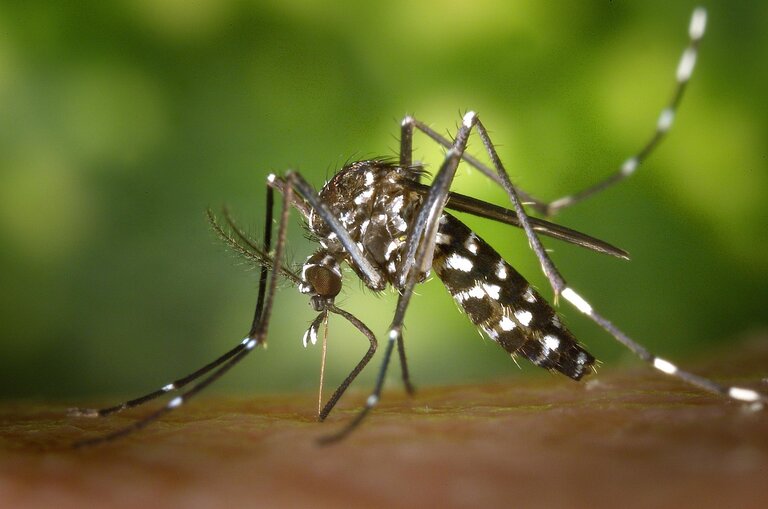
Image: Pixabay
Pest Control Slana Alaska: March 17th Report on Cloudy, Near-Freezing Conditions
Welcome to this week’s update from your local expert in pest control Slana Alaska. With the thermometer hovering around 30°F (-0.89°C) under thick clouds and 99% humidity, the Slana region, nestled in its distinctive subarctic mountain climate, is still very much in winter’s grip. This week, we’re pleased to report a Low bug risk level, meaning outdoor pest activity is minimal as most insects remain dormant or deeply hunkered down. While many folks might be focusing on cabin maintenance or preparing their snow machines for one last ride near the Slana River, it’s a good time to ensure your home is sealed tight against any overwintering pests that might still be seeking refuge from the damp chill, even if they aren’t actively foraging.
This Week’s Weather and What It Means for Bugs
In Slana this week, temperatures hovered around -0.89°C (30°F) with extremely high humidity at 99% and cloudy skies. These conditions have a profound impact on local pest populations, dictating their activity and survival strategies. At -0.89°C (30°F), most insect species in Alaska are in a state of diapause or overwintering, seeking refuge from the cold. For instance, the destructive Spruce Bark Beetle (Dendroctonus rufipennis), a significant pest in Alaskan forests, would be completely dormant. According to research from the University of Alaska Fairbanks, these beetles typically overwinter as larvae or adults deep under the bark of host trees. The measured temperature of -0.89°C (30°F) is critical for maintaining their torpid state, preventing premature development or activity that would be fatal in the harsh winter environment. Similarly, nuisance pests like Cluster Flies (Pollenia rudis), which often overwinter as adults inside homes and structures, would remain inactive at this temperature, deep within their sheltered overwintering sites.
The exceptionally high 99% humidity, combined with the near-freezing temperature of -0.89°C (30°F), creates a unique environment for certain cold-adapted arthropods. While most insects struggle with excessive moisture at sub-zero temperatures, the presence of a moist, icy environment is ideal for species like Snow Fleas (e.g., Hypogastrura nivicola). These fascinating springtails are known to be active on the surface of snow and ice, even when temperatures are below freezing. The 99% humidity directly supports their activity by providing the constant moisture they need to prevent desiccation, as they lack a waterproof cuticle common in many other insects. According to studies published in the Journal of Insect Physiology, snow fleas thrive in such cold, damp conditions, feeding on fungi and decaying organic matter found within the snowpack. For overwintering pests like Cluster Flies, this high humidity, even if external, can contribute to preventing excessive moisture loss within their protected overwintering sites, indirectly aiding their survival through the long Alaskan winter until warmer temperatures return.
What to Do This Week in Slana
Hello Slana neighbors! With temperatures hovering around freezing (30°F) and nearly 100% humidity this week, our local pests are looking for the warmest, driest spots they can find – which usually means inside your home! To keep them out, first, take a moment to inspect the seals around your doors and windows. Even tiny gaps can be an open invitation for rodents, spiders, and overwintering insects seeking refuge from the cold. Given the high humidity, ensuring a tight seal also helps prevent moisture intrusion and drafts that can lead to internal condensation. Second, for many Slana homes built to withstand our unique conditions, it’s crucial to check your crawl space or subfloor ventilation. Proper airflow prevents moisture buildup in these often-damp areas, which can attract everything from silverfish and spiders to rodents looking for a warm, secluded spot. Ensuring good air circulation now can save you headaches later.
Additionally, with such high humidity outside, promptly address any indoor condensation or damp spots. Wipe down windows, ensure bathroom fans are used, and check under sinks for leaks. These damp environments are magnets for moisture-loving pests and can encourage mold growth, which some pests feed on. Finally, if you’re keeping firewood or other outdoor materials like lumber, store them at least 20 feet away from your home’s foundation. These piles are perfect overwintering spots for insects and rodents, and keeping them distant reduces the chances of them making the jump from their outdoor shelter to the warmth of your walls. If you’re unsure about the best strategies for effective pest control Slana Alaska homes, don’t hesitate to reach out! Stay cozy and pest-free!
Frequently Asked Questions about Pest Activity in Slana
What is the typical pest activity forecast for Slana in mid-March 2026?
For mid-March 2026, pest activity in Slana is generally very low. Persistent cold temperatures keep most insects dormant or hibernating. You might occasionally encounter overwintering pests like rodents or spiders seeking warmth indoors, but widespread outdoor activity is minimal until spring thaw begins later in the season.
Are there specific pest concerns for properties near the Slana River during early spring?
Properties near the Slana River in early spring might see increased rodent activity as they seek shelter from melting snow and lingering cold. Mice and voles are common, often trying to find entry points into homes or cabins. Insect activity, however, remains largely dormant until warmer weather fully arrives along the riverbanks.
When is the optimal time to consider preventative measures for pest control in Slana, Alaska?
The optimal time for preventative pest control in Slana, Alaska, is typically late spring to early summer, usually May through June. This period precedes the peak season for mosquitoes, flies, and other outdoor pests. Addressing potential entry points and applying perimeter treatments before pests become active can significantly reduce infestations throughout the warmer months.
What are the most common household pests Slana residents might encounter in rural settings?
Slana residents in rural settings frequently encounter rodents like mice and voles, especially as temperatures fluctuate. These pests often seek warmth and food indoors. While large insect populations are uncommon in March, spiders can sometimes be found indoors. Wildlife, like squirrels or porcupines, might also be a concern around properties, requiring exclusion efforts.
Protect Your Home in Slana, Alaska
Don’t let local bug activity catch you off guard. Visit our local store to get expert advice and the right supplies for your specific location.