Bug Report: Wallingford, Connecticut – 2026-03-17
This Forecast is Out of Date. Please visit https://justbiteme.com/regional-bug-bite-forecast for an updated forecast

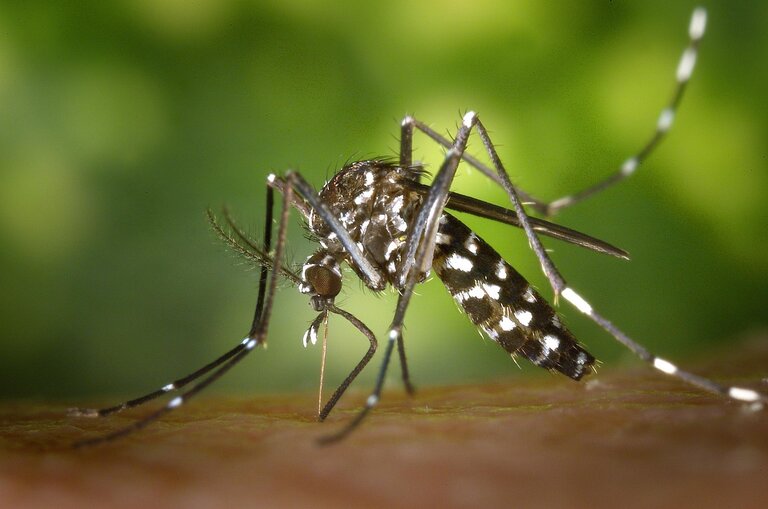
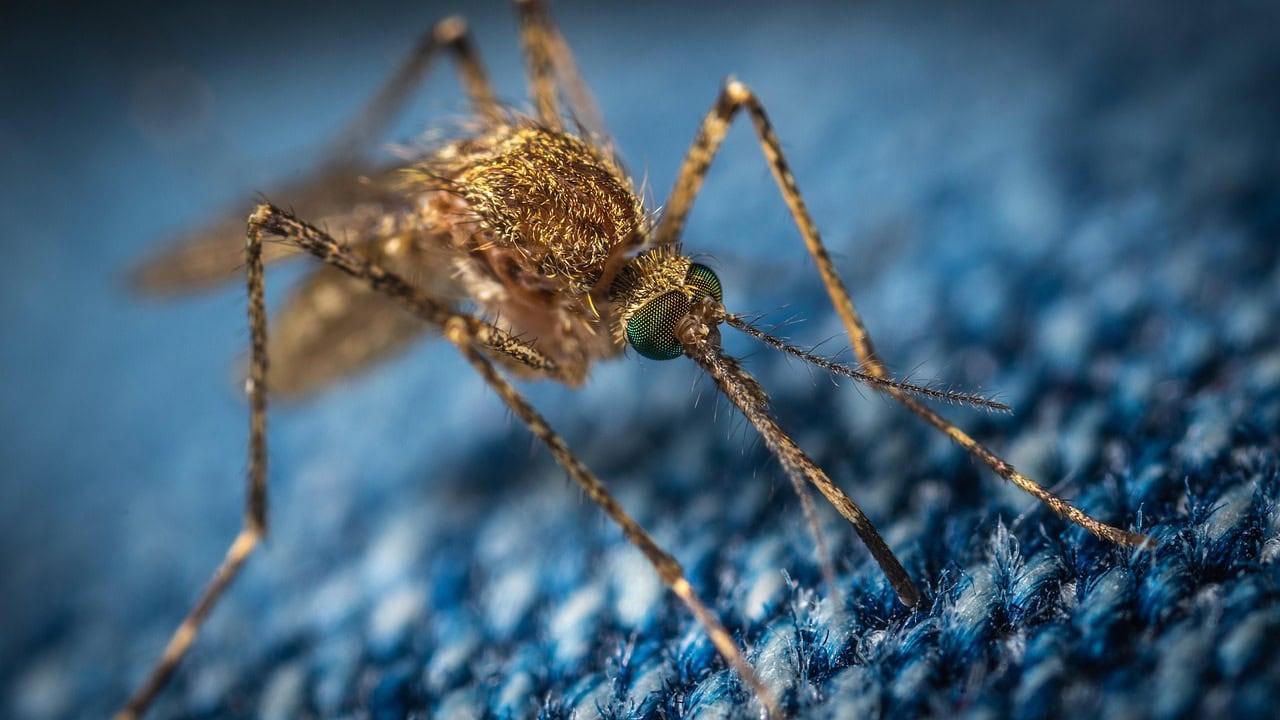
Image: Pixabay
Pest Control Wallingford Connecticut: March 17th – Chilly, Cloudy Conditions Keep Critters Quiet
As your local expert in pest control Wallingford Connecticut, I’m here with your weekly update for March 17th. With temperatures hovering just above freezing at 0.09°C and humidity at a damp 97% under cloudy skies, New England’s characteristic damp, continental climate is keeping most pests snuggled deep in their overwintering spots. This week, we’re at a Low risk level for common household invaders. For homeowners near the Quinnipiac River or those strolling downtown near Center Street, this means you can expect very minimal insect activity, though rodents might still be seeking warm, dry shelter.
This Week’s Weather and What It Means for Bugs
This week in Wallingford, Connecticut, we recorded a chilly 0.09°C (32°F) paired with a high humidity of 97% and cloudy skies. These conditions indicate a deep slowdown in outdoor pest activity, as the temperature hovers precisely at the freezing point. For most ectothermic organisms, like insects and arachnids, metabolism and activity rates are directly tied to ambient temperature. At 0.09°C, most pests enter a state of dormancy, known as diapause, or seek sheltered overwintering sites to survive the cold. According to research from the University of Connecticut’s Department of Entomology, sustained temperatures at or below freezing critically limit the active life stages of nearly all common outdoor insect pests in the region. The 97% humidity, while very high, primarily contributes to frost or ice formation at this temperature rather than directly impacting active pest behavior, as most pests are already inactive.
Specifically, these conditions have a profound effect on key pest species. For instance, common house mosquitoes (*Culex pipiens*), which typically overwinter as adult females, will be deep in diapause in protected areas like culverts, basements, or hollow trees, with no active flight or biting behavior observed at 0.09°C, as documented by studies from the Northeast Mosquito Control Association. Similarly, brown marmorated stink bugs (*Halyomorpha halys*), notorious for seeking refuge indoors, will remain largely dormant within walls, attics, or other voids. Their metabolic rate is severely suppressed at 0.09°C, preventing any significant movement or feeding until temperatures rise considerably, as noted by researchers at Penn State University Extension.
Even blacklegged ticks (*Ixodes scapularis*), known for their ability to quest in winter, will have their activity severely limited at 0.09°C. While they can be active when temperatures are above freezing, this precise temperature is at the very threshold where questing (climbing onto vegetation to find a host) becomes virtually impossible. According to the Centers for Disease Control and Prevention, tick activity drastically declines as temperatures approach freezing, meaning the 0.09°C recorded would effectively halt any significant outdoor questing behavior. The high humidity of 97% might offer some moisture retention benefits for dormant ticks, but it doesn’t override the immobilizing effect of the near-freezing temperature on their active life cycle.
What to Do This Week in Wallingford
As we navigate this mid-March week in Wallingford with temperatures just around freezing and high humidity, it’s a prime time for proactive pest prevention, even with a low bug risk. Pests are primarily looking for warmth and shelter from the damp cold. First, take a walk around your home’s exterior and inspect your weather stripping around doors and windows. Seal any small cracks or gaps you find, especially around utility lines. With temperatures hovering at freezing and high humidity, pests like rodents, spiders, and even overwintering insects are actively seeking warm, dry shelter, and even tiny gaps are an invitation. Second, given the high humidity outdoors, keep a close eye on your basement or crawl space for any signs of condensation or dampness. Older homes, prevalent throughout Wallingford, can be particularly susceptible to indoor humidity issues in these conditions, and excess moisture creates ideal breeding grounds for silverfish, mold mites, and can attract rodents seeking a water source.
Moving outdoors, ensure your gutters and downspouts are clear of any lingering leaf debris or ice buildup. Proper drainage is crucial right now, as blocked gutters can lead to water pooling around your foundation, which can freeze, damage your home, and later attract moisture-loving pests as temperatures eventually rise. Finally, walk around your property and clear away any leaf litter, woodpiles, or overgrown vegetation that’s too close to your foundation, paying particular attention to the foundations themselves, common in many Wallingford homes. These areas provide perfect hiding spots and pathways for rodents and insects trying to escape the cold and damp, allowing them easy access to your home. Taking these simple steps this week can significantly reduce your chances of unwelcome visitors, but if you do find yourself with a pest problem, remember that reliable pest control Wallingford Connecticut is just a call away.
Frequently Asked Questions about Pest Activity in Wallingford
What common pests should Wallingford residents be aware of as spring approaches?
As early spring arrives in Wallingford, residents should watch for overwintering pests like stink bugs and box elder bugs emerging. Rodent activity, especially mice, may persist as they seek food and shelter. Early carpenter ant foraging can also begin. Homeowners should be mindful of these common household pests seeking entry points, even with current low risk. Proactive inspection helps.
Are there specific pest concerns for residents in the Yalesville area of Wallingford?
Residents in Wallingford’s Yalesville neighborhood, especially near wooded or agricultural areas, might see increased activity from rodents, ticks, and ants. Proximity to natural environments often means pests like field mice and various insects are more likely to seek entry. Regular perimeter checks and sealing cracks are particularly important in these areas to maintain a pest-free home.
What proactive steps can Wallingford homeowners take to prevent pests this season?
Wallingford homeowners can take several proactive steps. Seal any cracks or gaps in foundations, windows, and doors to block entry points. Ensure food is stored in airtight containers and keep kitchen areas clean. Trim shrubs and trees away from the house, and clear gutters of debris. Reducing moisture sources indoors and outdoors also helps deter many common pests effectively.
When should I consider professional pest control services in Wallingford, Connecticut?
You should consider professional pest control services in Wallingford, Connecticut, if you notice persistent pest activity, discover unknown pests, or if DIY methods prove ineffective. Professionals can accurately identify infestations, implement targeted treatments, and offer long-term prevention strategies. For widespread issues or hard-to-reach areas, calling experts ensures effective and safe eradication, protecting your home and family.
Are ticks a concern in Wallingford’s parks and wooded areas during early spring?
Yes, ticks can be a concern in Wallingford’s parks and wooded areas, even in early spring. Deer ticks can be active when temperatures rise above freezing. Always use insect repellent, wear long pants, and perform thorough tick checks on yourselves and pets after spending time outdoors in grassy or brushy areas. Vigilance helps minimize exposure risk.
Protect Your Home in Wallingford, Connecticut
Don’t let local bug activity catch you off guard. Visit our local store to get expert advice and the right supplies for your specific location.