Bug Report: Tecumseh, Ontario – 2026-03-17
This Forecast is Out of Date. Please visit https://justbiteme.com/regional-bug-bite-forecast for an updated forecast

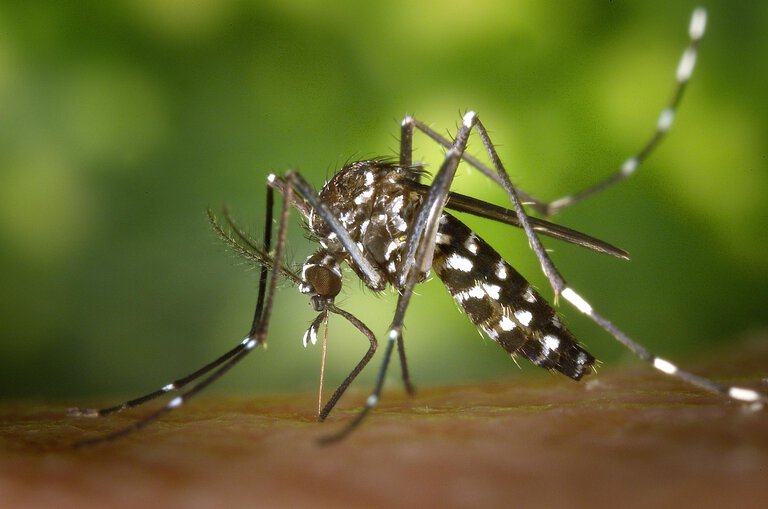
Image: Pixabay
Pest Control Tecumseh Ontario: Your Weekly Bug Report for March 17, 2026 – Cloudy, Humid, and 2°C
Welcome back to your weekly update on pest control Tecumseh Ontario! As we step into the week of March 17, 2026, the local conditions paint a familiar early spring picture: cloudy skies, a humid 94%, and temperatures hovering around 2.01°C. This weather pattern, typical of our region’s humid continental climate, means that while some outdoor activities are picking up, the pest activity remains largely subdued. Even as you might be enjoying a brisk walk through Lakewood Park or along the waterfront, perhaps with your dog, you’re unlikely to encounter significant insect nuisances this week. Most common household pests are still deep in their overwintering stages, patiently waiting for a consistent rise in temperatures before they become active or seek new shelter.
Therefore, our overall bug risk level for Tecumseh homeowners this week remains Low. This low risk means you can breathe easy regarding immediate pest invasions, but it’s an ideal time to think about proactive measures before the inevitable spring awakening.
This Week’s Weather and What It Means for Bugs
This week’s measured conditions in Tecumseh, Ontario, with a temperature of 2.01°C (36°F) and 94% humidity under cloudy skies, signify a period of significant inactivity for most common insect pests. At 2.01°C, the vast majority of ectothermic (cold-blooded) insects enter a state of diapause or quiescence, characterized by significantly reduced metabolic rates and cessation of feeding, reproduction, and locomotion. According to research from the University of Minnesota, insect development and activity thresholds are typically much higher, often requiring temperatures consistently above 7-10°C (45-50°F) for normal biological processes. The high 94% humidity, while not directly stimulating activity at such low temperatures, does help maintain moisture levels in the environment, which can be critical for the survival of overwintering stages by preventing desiccation, though it could also favor the growth of fungal pathogens in some cases.
Several key overwintering pests are directly impacted by these conditions. For instance, the Brown Marmorated Stink Bug (Halyomorpha halys), a common nuisance pest in Ontario, remains firmly in its overwintering state within sheltered structures. According to research from Virginia Tech, adult BMSB typically become inactive and seek overwintering sites once temperatures consistently drop below 10°C, remaining dormant and with significantly reduced metabolism at temperatures around 0-5°C, precisely like our measured 2.01°C. Similarly, Cluster Flies (Pollenia rudis) are also experiencing deep dormancy. Entomological observations from the University of Guelph indicate that cluster flies enter diapause in late fall and will not emerge or exhibit activity until temperatures rise consistently above 10-15°C, making the current 2.01°C completely suppressive of their life cycle. The 94% humidity for both species in sheltered overwintering sites means reduced moisture loss from their bodies, potentially aiding survival during their prolonged inactive period, as field studies from Cornell University illustrate for diapause-bound insects.
Another significant pest affected is the Carpenter Ant (Camponotus spp.). At 2.01°C, carpenter ant colonies within wood structures or soil are in a state of reduced activity or hibernation. Studies conducted by the Ontario Ministry of Agriculture, Food and Rural Affairs (OMAFRA) show that carpenter ants cease foraging and reproduction at temperatures near 0°C, and at 2.01°C, colony metabolism would be minimal, focusing solely on survival rather than expansion or foraging activity. The high 94% humidity, according to entomological research from the University of Toronto on wood-boring insects, can play a supportive role for these ants by helping maintain the moisture content within their wooden galleries. This prevents the wood from becoming excessively dry, a condition that could otherwise stress the colony during its quiescent phase, although the prevailing low temperature remains the dominant factor dictating their current biological state.
What to Do This Week in Tecumseh
While this week brings chilly 2.01°C (36°F) temperatures and a low bug risk, the persistent 94% humidity and cloudy skies mean we should still be vigilant, especially against moisture-loving pests seeking refuge. Start by taking a thorough walk around your home’s exterior. Pay close attention to foundation cracks, gaps around utility pipes, and any loose caulking. Even in the cold, pests like spiders, earwigs, or even small rodents will exploit these openings to escape the damp chill and find warmth indoors. Secondly, ensure your eavestroughs and downspouts are clear of debris. With such high humidity, any blockages will hold moisture, creating a perfect breeding ground for future mosquito populations and increasing the risk of wood rot once temperatures begin to rise.
Indoors, with the current 94% humidity, it’s crucial to manage moisture effectively. Consider running a dehumidifier in basements or crawl spaces – areas common in many Tecumseh homes – to reduce the appeal for silverfish, centipedes, and mold mites. Another often-overlooked area, particularly in our residential neighbourhoods across Tecumseh, are the seals around garage doors and basement window wells. Small gaps here, often exacerbated by winter contraction, can be an open invitation for pests seeking shelter from the damp cold. By taking these proactive steps now, you’re not just preventing current problems but also setting your home up for success as spring approaches, reducing the likelihood you’ll need professional pest control Tecumseh Ontario services down the line.
Frequently Asked Questions about Pest Activity in Tecumseh
What common pests might residents encounter in Tecumseh during early spring?
Early spring in Tecumseh often brings out overwintering pests like cluster flies and boxelder bugs seeking warmth. Rodents may also become more active as they search for food sources. Sealing entry points and maintaining a clean property are crucial preventative steps this time of year to minimize indoor pest activity.
Are there specific concerns for properties near Lake St. Clair in Tecumseh regarding pests?
Properties near Lake St. Clair, especially in areas like St. Clair Beach, can experience increased moisture-related pests such as carpenter ants and various types of spiders. Addressing leaks, improving ventilation, and regular inspections are vital. For persistent issues, professional pest control Tecumseh Ontario services can provide targeted solutions to protect your home.
What preventative measures should Tecumseh homeowners take for pests in March?
In March, Tecumseh homeowners should focus on sealing cracks and gaps in foundations and around windows/doors to prevent overwintering pests from re-entering. Clear gutters, trim vegetation away from the house, and ensure proper drainage. These steps minimize access points for pests like mice, ants, and spiders as temperatures rise.
Is Tecumseh at risk for any specific agricultural pests given its surrounding areas?
While primarily residential, Tecumseh is close to agricultural lands. This can lead to increased sightings of field mice, voles, and certain insects like earwigs seeking shelter. Maintaining clear perimeters around homes and ensuring proper lawn care can help deter these pests from encroaching on residential properties, especially during early spring.
Despite a low bug risk, what common nuisances might still be present in Tecumseh?
Even with a low overall bug risk, Tecumseh residents might still encounter common nuisances like house spiders, occasional ants foraging indoors, or early-emerging cluster flies on sunny days. These are generally isolated incidents, but persistent activity indicates a potential entry point that might need sealing to prevent future issues.
Protect Your Home in Tecumseh, Ontario
Don’t let local bug activity catch you off guard. Visit our local store to get expert advice and the right supplies for your specific location.