Bug Report: Post Falls, Idaho – 2026-03-17
This Forecast is Out of Date. Please visit https://justbiteme.com/regional-bug-bite-forecast for an updated forecast

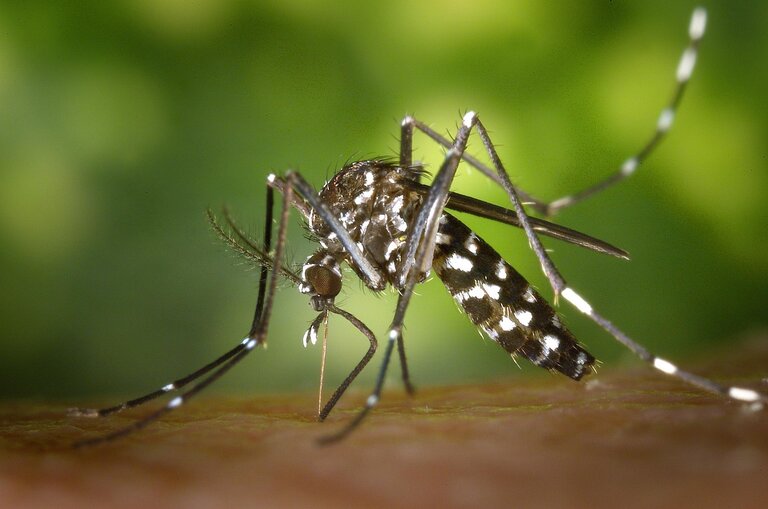
Image: Pixabay
Your Weekly Pest Control Post Falls Idaho Report: Chilly, Cloudy March Conditions
Welcome, Post Falls homeowners, to your weekly bug report! As we navigate the lingering chill of late winter, with temperatures around 2.09°C (36°F), a damp 94% humidity, and persistent clouds overhead, it’s clear that the true awakening of spring is still a little ways off. As your local expert in pest control Post Falls Idaho, I’ve been monitoring activity, or rather, the lack thereof, across our beautiful city. Even down by the Spokane River near Q’emiln Park, where residents often enjoy brisk walks, the current cold snap is keeping most critters nestled deep in dormancy, much like our vibrant spring flowers still waiting beneath the frost.
For the week of March 17th, your bug risk level remains Low. This means that while pests aren’t completely absent, the prevailing cold is significantly suppressing their activity and reproductive cycles. In our unique Inland Northwest climate, these cold, damp conditions are typical for this time of year, effectively putting a natural pause on most insect and rodent intrusions. Homeowners can breathe a sigh of relief from active infestations, but it’s still a good time for preventative checks.
This Week’s Weather and What It Means for Bugs
The measured conditions in Post Falls this week, featuring a chilly 2.09°C (36°F) temperature and a very high 94% humidity under cloudy skies, significantly impact local pest biology by driving most insects into overwintering states or forcing them to seek shelter indoors. At 2.09°C, nearly all outdoor insect activity ceases, as this temperature is well below the physiological threshold for active foraging, reproduction, and development for the majority of arthropods. This prompts many nuisance pests, such as Boxelder Bugs (Boisea trivittata) and Western Conifer Seed Bugs (Leptoglossus occidentalis), to aggregate in sheltered, often indoor, locations. According to entomological studies from Washington State University, these overwintering pests enter a state of diapause and seek structural harborage when outdoor temperatures consistently drop below approximately 7°C (45°F), making the current 2.09°C a strong driver for their indoor presence.
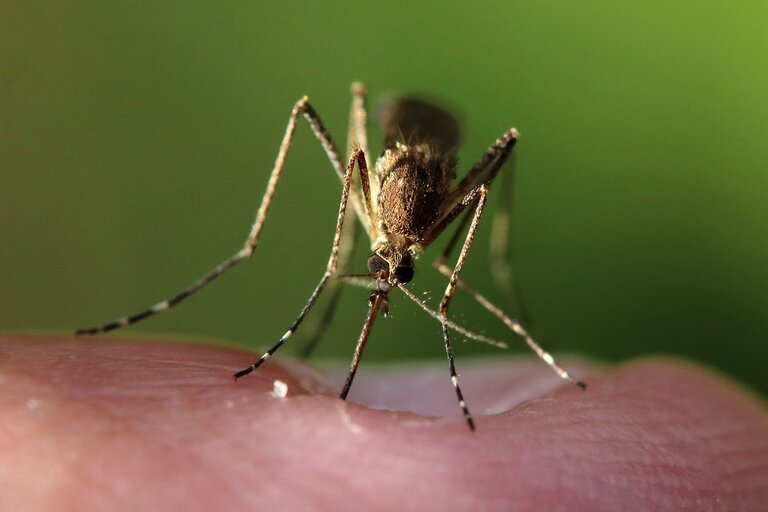
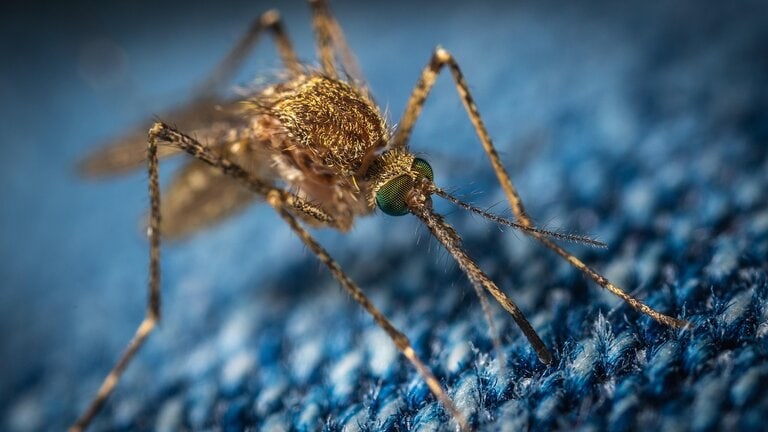
The persistently low temperature of 2.09°C also compels cold-intolerant arthropods, including many spider species like the Hobo Spider (Eratigena agrestis) and Giant House Spider (Eratigena duellica), to seek warmer, protected environments within homes and other structures. While these spiders may be found year-round indoors, the external 2.09°C ensures outdoor survival is highly improbable for active individuals. Furthermore, the high 94% humidity, while not directly stimulating activity at such low temperatures, is crucial for the survival of many overwintering insects by preventing desiccation. For instance, according to research from the University of Idaho Extension, adult Mosquitoes, particularly species like the Northern House Mosquito (Culex pipiens), enter an overwintering diapause in sheltered locations when temperatures fall to 2.09°C. The elevated 94% humidity in these hibernacula is vital for these dormant adults to retain sufficient body moisture and successfully survive the winter months, although no active biting or breeding will occur under these cold conditions.
What to Do This Week in Post Falls
Hello Post Falls neighbors! As we navigate this mid-March week with temperatures hovering around 2°C (36°F) and that notable 94% humidity under cloudy skies, our local pests are certainly feeling it too. While the overall bug risk is low, these conditions mean critters are actively seeking warm, dry shelter – and your home looks mighty inviting! Here are a few key prevention steps you can take this week to keep them out:
First, dedicate some time to sealing up potential entry points. With the cold air outside, rodents and overwintering insects like box elder bugs and spiders will be looking for any crack or crevice to slip through. Check around window and door frames, utility lines entering your home, and especially your foundation. Many homes in Post Falls, particularly those with basements or crawl spaces, can have small gaps that are easily overlooked but provide ample access for unwanted guests. Second, focus on moisture control both indoors and out. That high humidity means dampness is prevalent, creating ideal conditions for pests like silverfish, earwigs, and even certain spiders. Inspect your basement, crawl space, and areas around sinks and pipes for leaks or excessive condensation. Ensuring good ventilation and addressing any standing water or damp spots will make your home far less appealing.
Finally, take advantage of any dry spells to clear away outdoor debris near your home. Piles of leaves, firewood stacked too close to the foundation, or overgrown shrubbery provide excellent harborage for rodents and insects trying to escape the elements. Keeping these areas tidy creates a buffer zone around your home, reducing the likelihood of pests migrating indoors. Implementing these proactive steps is a crucial part of effective pest control Post Falls Idaho, helping ensure your home remains pest-free as spring approaches. If you find pests have already made themselves at home, don’t hesitate to give us a call!
Frequently Asked Questions about Pest Activity in Post Falls
What pest activity can Post Falls residents expect in mid-March 2026?
Mid-March in Post Falls typically sees low pest activity. Cooler temperatures mean most outdoor pests are still dormant. However, overwintering pests like cluster flies or boxelder bugs might become active indoors on warmer days. Rodents seeking warmth can also be a concern. It’s a good time for preventative checks around your home.
Are there specific pests common to the Treaty Rock neighborhood in Post Falls during early spring?
Residents near Treaty Rock, with its mature trees and proximity to the Spokane River, might occasionally see overwintering pests like ants or spiders becoming active indoors as temperatures fluctuate. Rodents seeking shelter are also a possibility. Maintaining a tidy yard and sealing entry points helps mitigate these issues before they become more widespread.
What are the most common household pests to watch for in Post Falls during the early spring?
In early spring, Post Falls homeowners should watch for ants, especially carpenter ants, as they emerge from dormancy. Spiders may also become more noticeable indoors as they seek warmth or food. Occasionally, rodents might still be present from the colder months. Sealing cracks and cleaning food sources are vital first steps for prevention.
When should I consider professional pest control services in Post Falls Idaho for early spring issues?
If you notice persistent pest activity, discover a nest, or encounter pests like carpenter ants or rodents, it’s wise to consider professional pest control Post Falls Idaho services. Early intervention can prevent minor issues from escalating. Experts can identify hidden entry points and implement targeted, effective solutions, ensuring your home remains pest-free as spring progresses.
What preventative steps can Post Falls residents take against pests in March?
In March, Post Falls residents should focus on sealing cracks in foundations and around windows/doors to block entry points. Clear outdoor debris, trim vegetation away from the house, and ensure proper drainage. Inside, store food in sealed containers and promptly clean spills. These proactive measures significantly reduce the likelihood of spring pest infestations.
Protect Your Home in Post Falls, Idaho
Don’t let local bug activity catch you off guard. Visit our local store to get expert advice and the right supplies for your specific location.