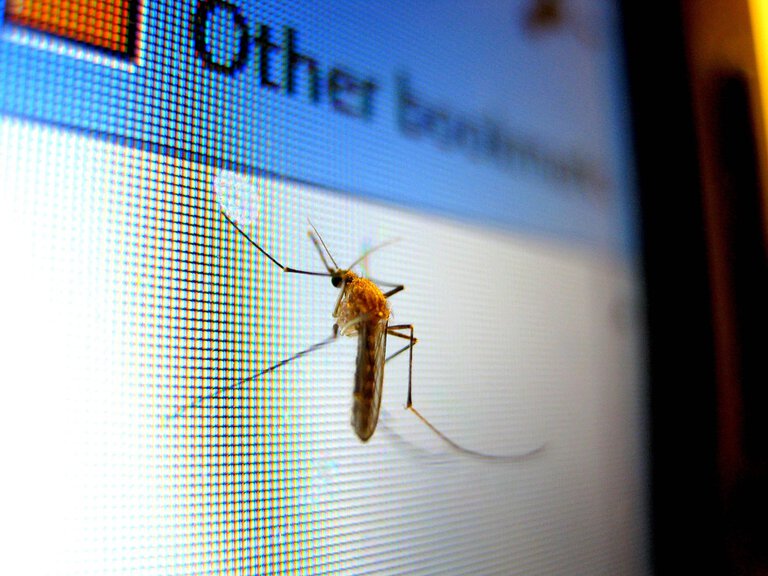
Bug Report: Linglestown, Pennsylvania – 2026-03-17
This Forecast is Out of Date. Please visit https://justbiteme.com/regional-bug-bite-forecast for an updated forecast

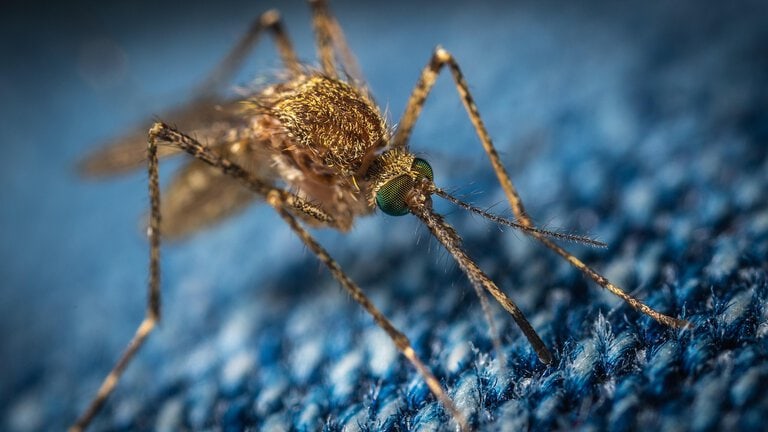
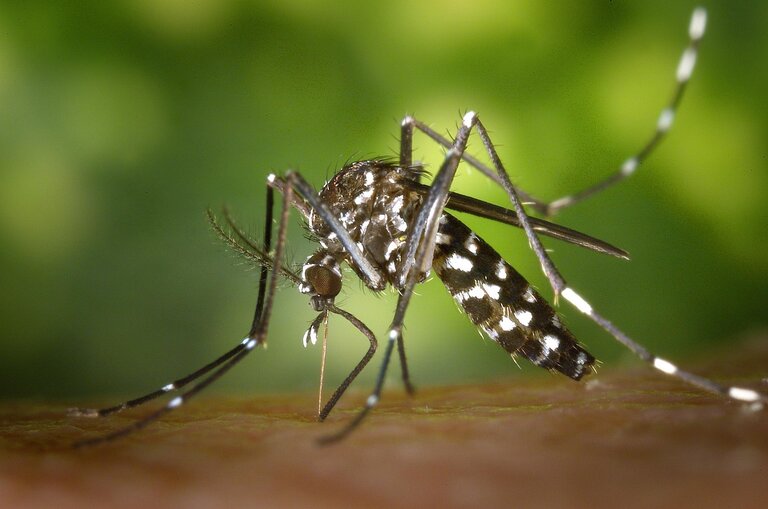
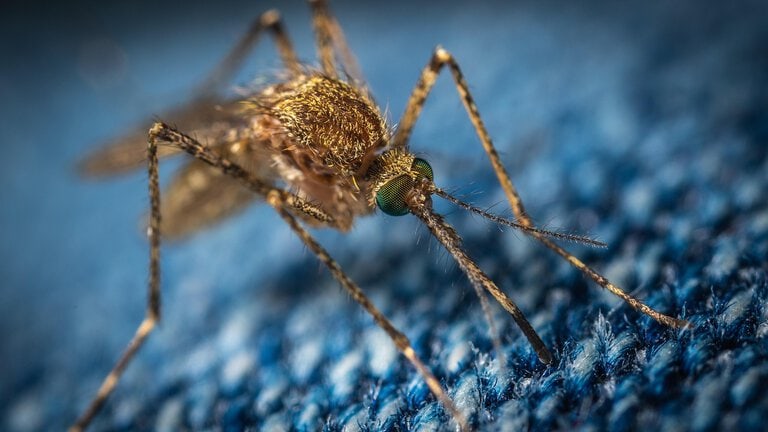
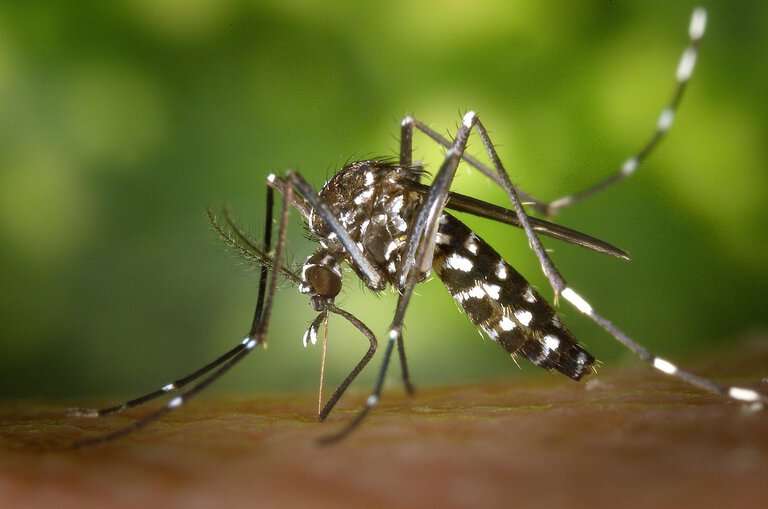
Image: Pixabay
Your Weekly Pest Control Linglestown Pennsylvania Update: Chilly & Damp Conditions on March 17, 2026
Greetings, Linglestown homeowners! As we enter the week of March 17, 2026, our local weather remains chilly and damp, with temperatures at 0.09°C (32°F) and 98% humidity under cloudy skies. For those nestled in homes near Linglestown Square, this means our overall bug risk level is currently LOW. This low risk is typical for early spring in our humid continental climate, as most outdoor pests are dormant or overwintering. While activity outside is minimal, it’s a good time for homeowners to understand what pest control Linglestown Pennsylvania means for indoor vigilance, as some pests may still be seeking warmth.
This Week’s Weather and What It Means for Bugs
This week’s frigid temperature of 0.09°C (32°F) across Linglestown signals a significant shift in pest activity, effectively halting the outdoor life cycles of most insects. According to entomological research from Pennsylvania State University, temperatures at or below the freezing point induce diapause or dormancy in many insect species, while others not adapted to cold succumb entirely. The extremely high humidity of 98%, coupled with these freezing conditions, means that any exposed moisture is likely to be frozen, creating harsh, icy environments that further deter insect movement and survival outdoors by limiting food sources and increasing energy expenditure.
For species like the Brown Marmorated Stink Bug (Halyomorpha halys), the 0.09°C (32°F) temperature is a critical trigger for their overwintering behavior. Research from the University of Maryland indicates that these nuisance pests actively seek warmth and shelter in structures once outdoor temperatures consistently drop below this threshold, establishing aggregation sites within homes and buildings to avoid the lethal cold. Similarly, the Northern House Mosquito (Culex pipiens), a common species in Pennsylvania, enters a state of diapause as adult females. At 0.09°C and 98% humidity, these mosquitoes seek out sheltered, damp locations like basements or storm drains to survive the winter, with the high humidity helping to prevent desiccation during their inactive period, as noted by studies from the University of Florida.
While outdoor insect activity is minimal, the persistent cold of 0.09°C drives other pests indoors, such as the German Cockroach (Blattella germanica). These resilient insects thrive year-round in the consistent warmth and shelter of human dwellings, making them largely unaffected by the outdoor temperature directly. The high outdoor humidity of 98% has little direct effect on these indoor pests; however, the overall cold outside means homeowners are actively heating their houses, inadvertently creating an even more favorable, stable environment for cockroach populations to grow and reproduce away from the harsh outdoor elements, as corroborated by research from Rutgers University on urban pest ecology.
What to Do This Week in Linglestown
Greetings, Linglestown neighbors! With temperatures hovering right around freezing at 0.09°C and nearly 100% humidity, our local pests aren’t exactly having a party outside. However, this cold, damp weather is precisely when many common household invaders are seeking warmth and shelter indoors. This week, even with a low bug risk, it’s crucial to be proactive. First, take a walk around your home’s exterior and interior to seal up any visible cracks or gaps. Focus on utility penetrations, window frames, and door sweeps. Pests like rodents, spiders, and even overwintering insects like stink bugs are desperately looking for a warm hideaway, and a tiny crack is all they need. Second, if you’re bringing in firewood to fend off the chill, make sure to inspect it thoroughly before stacking it inside. Wood can harbor dormant insects and spiders that will quickly awaken in your warm living room.
Given our high humidity and the typical architecture around Linglestown, Pennsylvania, moisture control is also key this week. Check your basement and crawl spaces for any signs of leaks or excessive dampness. Homes in our area, especially older ones, often have basements or stone foundations that can be prone to moisture intrusion, creating perfect conditions for silverfish, springtails, and even mold that attracts other pests. Finally, ensure your gutters are clear of any debris. While it’s freezing now, clear gutters prevent ice dams and future water issues when the snow melts, which can lead to moisture problems and new entry points for pests. Taking these simple steps now can save you a headache later and is an essential part of effective pest control Linglestown Pennsylvania homeowners should embrace year-round. Stay warm and pest-free!
Frequently Asked Questions about Pest Activity in Linglestown
What common pests should Linglestown residents be aware of as spring approaches?
In March, Linglestown residents may see overwintering pests like stink bugs re-emerging, or ants starting to scout for food indoors. Rodents might still be seeking warmth before consistent spring temperatures. Early termite activity can also begin, particularly as the ground thaws and temperatures rise, prompting vigilance from homeowners.
Are termites a concern for homes in Linglestown during early spring?
Yes, early spring can mark the beginning of termite swarming season in Central Pennsylvania. While the overall bug risk is low, homeowners should be vigilant for signs like mud tubes or discarded wings. For thorough inspections and preventative measures, contacting a local service for pest control Linglestown Pennsylvania is recommended to protect your property.
What unique pest challenges might homes near Linglestown’s Blue Mountain face?
Properties bordering natural areas like Blue Mountain often experience increased activity from wildlife pests such as mice, squirrels, and occasional ticks or spiders migrating indoors. As spring arrives, these homes can also see higher populations of carpenter ants or wood-boring beetles seeking shelter or food sources from surrounding woodlands.
With a low bug risk this week in Linglestown, what preventative steps are still recommended?
Even with low risk, maintaining proper sanitation and sealing entry points is crucial. Clear debris from foundations, trim shrubs away from your home, and ensure screens are intact. Store food in airtight containers and address any moisture issues promptly. These steps significantly reduce the likelihood of future pest infestations.
Protect Your Home in Linglestown, Pennsylvania
Don’t let local bug activity catch you off guard. Visit our local store to get expert advice and the right supplies for your specific location.