Bug Report: Winchester, Virginia – 2026-03-17
This Forecast is Out of Date. Please visit https://justbiteme.com/regional-bug-bite-forecast for an updated forecast

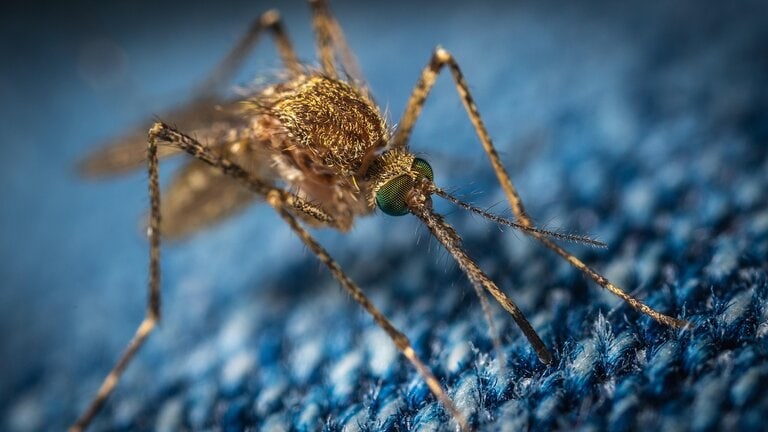
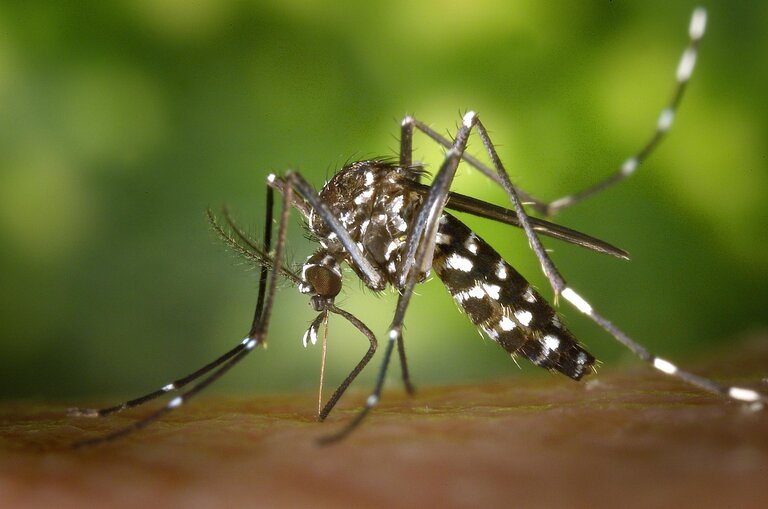
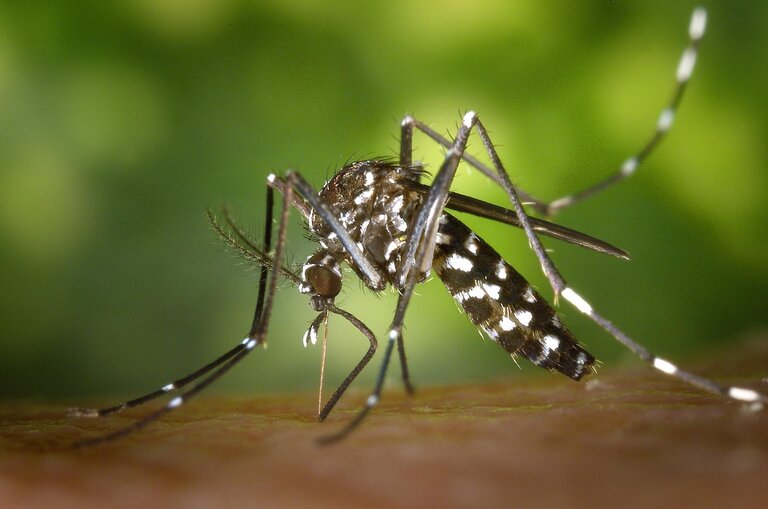
Image: Pixabay
Your Weekly Pest Control Winchester Virginia Report: Chilly Clouds and Low Risk (March 17, 2026)
Greetings Winchester homeowners! This week, as we observe the persistent chill with temperatures hovering around 0.25°C (32°F) and 75% humidity under cloudy skies, most outdoor pests are in a dormant state. For effective pest control Winchester Virginia residents should understand that while the overall bug risk is low, it doesn’t mean your home is completely safe. Many local pests, much like folks enjoying a warm cup of coffee indoors rather than braving the Old Town Winchester walking mall, are seeking refuge from the cold. This low risk level primarily indicates minimal outdoor activity for biting or swarming insects; however, rodents or overwintering pests might still be active inside your warm, dry homes, a common challenge in our humid Mid-Atlantic climate.
This Week’s Weather and What It Means for Bugs
Winchester, Virginia’s recent weather, characterized by a brisk 0.25°C (32°F) and 75% humidity under cloudy skies, profoundly impacts the biology and activity of local pest populations. For the vast majority of ectothermic insects, temperatures at or just above freezing, such as the measured 0.25°C, necessitate a state of reduced metabolic activity, known as diapause, or compel them to seek immediate shelter. This significantly curtails outdoor foraging, reproduction, and overall mobility. The 75% humidity, while notable, plays a secondary role compared to the dominant influence of near-freezing temperatures, potentially contributing to moisture in overwintering microclimates but not overriding the physiological shutdown induced by the cold. According to entomological research from Virginia Tech, sustained temperatures around 0°C are critical thresholds for insect survival, with many species unable to tolerate prolonged exposure without specific cold-hardiness adaptations or protective overwintering sites.
Consider two prominent overwintering pests in the region: the Brown Marmorated Stink Bug (Halyomorpha halys) and Boxelder Bugs (Boisea trivittata). At 0.25°C (32°F), these insects are entirely inactive outdoors. Their primary biological response to these conditions is to remain in deep dormancy within sheltered environments, typically inside wall voids, attics, or other protected areas of structures. The measured 0.25°C explicitly prevents any outdoor movement or feeding, ensuring they conserve energy for survival until warmer conditions return. While the ambient humidity stands at 75% outdoors, this has minimal direct bearing on these pests once they are securely aggregated and dormant inside homes, where microclimates are generally drier and more stable. Research from the University of Maryland Extension indicates that insect entry into homes for overwintering is strongly triggered by consistent drops in outdoor temperatures below 7°C (45°F), making the current 0.25°C a definitive signal for their profound inactivity within structures.
For pests primarily associated with indoor environments, such as the German cockroach (Blattella germanica), the outdoor temperature of 0.25°C (32°F) indirectly benefits existing indoor populations by preventing outdoor dispersal and the establishment of new colonies from external sources. However, if indoor conditions mirror the measured 75% humidity, this can be highly advantageous for German cockroaches, as they thrive in warm, moist environments, accelerating their development and reproductive cycles within structures. Conversely, outdoor colonies of Odorous House Ants (Tapinoma sessile) are completely dormant at 0.25°C, overwintering deep within the soil or protected structural elements. The 75% humidity, particularly in conjunction with cloudy conditions, could influence the moisture content of their overwintering nests. According to studies from the University of Georgia, consistently high soil moisture can increase the risk of fungal pathogens in ant colonies, potentially stressing overwintering populations, although their immediate and primary response to 0.25°C is a cessation of all surface activity and deep dormancy for survival.
What to Do This Week in Winchester
Well howdy neighbors! This week in Winchester, we’re still feeling that brisk chill with temperatures hovering right around freezing. While the bug risk is low, pests aren’t hibernating; they’re actively looking for a warm, dry place to escape the 32°F weather and damp 75% humidity. Now’s the perfect time to be proactive! First, take a walk around your home’s exterior and meticulously seal any cracks or gaps you find. Pay special attention to utility entry points, foundation cracks, and worn weather stripping around windows and doors. Even a tiny opening is a five-star hotel entrance for overwintering pests like rodents, stink bugs, and cluster flies seeking refuge from the cold. Addressing these now prevents bigger infestations when spring finally arrives.
Next, with that high humidity in the air, ensure good ventilation in basements and crawl spaces, especially common in many historic Winchester homes. Look for any signs of moisture or condensation, as dampness attracts unwanted guests like silverfish, centipedes, and even termites. Clearing out any debris or stored items touching the walls can also help reduce hiding spots and improve airflow. Finally, if you’re bringing in firewood for that cozy fireplace, store it at least 20 feet away from your home, and always inspect each log before bringing it inside. This prevents hitchhikers like spiders and various wood-boring insects from setting up camp in your living room. For comprehensive pest control Winchester Virginia residents can rely on, taking these small steps now makes a big difference in maintaining a pest-free home.
Frequently Asked Questions about Pest Activity in Winchester
What common pests might Winchester residents see indoors during mid-March?
In mid-March, Winchester homes might encounter overwintering pests like stink bugs and lady beetles seeking an exit. You could also see ants starting to forage or occasional spiders. While overall bug risk is low, these pests are common as temperatures fluctuate before spring truly settles.
Are termites a concern for homes in Winchester, Virginia?
Termites are a year-round concern in Winchester, Virginia, especially as ground temperatures begin to rise in spring. Subterranean termites are prevalent and can cause significant damage. Regular inspections are crucial. If you suspect an infestation, contacting a professional for pest control Winchester Virginia is essential to protect your property.
What pest issues are common in the Old Town Winchester area?
Properties in Old Town Winchester, with their historic architecture and close proximity, can be susceptible to rodents like mice and rats seeking shelter. Ants and occasional cockroach sightings are also possible, particularly in older buildings with more entry points. Regular sealing and sanitation are vital for prevention.
With bug risk low in Winchester this week, what preventative steps can homeowners take?
Even with low bug risk in Winchester this week, homeowners should seal cracks and gaps around foundations and windows to prevent future entry. Ensure proper drainage around your home and keep gutters clear. Store food in sealed containers and promptly clean spills. These steps minimize attracting various pests year-round.
How does Winchester’s climate impact seasonal pest activity?
Winchester’s four distinct seasons mean varied pest activity. Cold winters drive pests indoors, while spring thaws bring emergence and increased foraging. Hot, humid summers boost insect populations like mosquitoes and ants, and fall can see rodents seeking warmth. Understanding these cycles helps anticipate pest challenges.
Protect Your Home in Winchester, Virginia
Don’t let local bug activity catch you off guard. Visit our local store to get expert advice and the right supplies for your specific location.