Bug Report: Texarkana, Arkansas – 2026-03-17
This Forecast is Out of Date. Please visit https://justbiteme.com/regional-bug-bite-forecast for an updated forecast

Image: Pixabay
Pest Control Texarkana Arkansas Update: A Chilly, Humid Week (March 17, 2026)
Welcome to your weekly bug report from a local expert in pest control Texarkana Arkansas. This week, as we shiver through a damp March 17th with temperatures hovering around -2.11°C (28°F) and 100% humidity, you might feel a reprieve from the usual buzzing and crawling. Even though the clouds are hanging low over State Line Avenue, signaling classic humid South weather, our overall pest risk level is thankfully low. This means that while some overwintering pests might still be hunkered down indoors, active outdoor infestations are much less likely to emerge right now, giving homeowners a brief respite.
This Week’s Weather and What It Means for Bugs
This week in Texarkana, Arkansas, we’re experiencing frigid temperatures at -2.11°C (28°F) coupled with an unusual 100% humidity under cloudy skies. These conditions dramatically influence the biology and activity of our local insect populations. At -2.11°C, most insects, being ectothermic (cold-blooded), enter a state of dormancy or diapause, where their metabolic rates slow significantly, or they simply succumb to the cold. The 100% humidity, while high, is less of a factor for active pests when temperatures are well below freezing, as the primary limitation on their survival and movement is the extreme cold. However, for overwintering stages, this high humidity might help prevent desiccation in sheltered microclimates, provided they are protected from freezing.
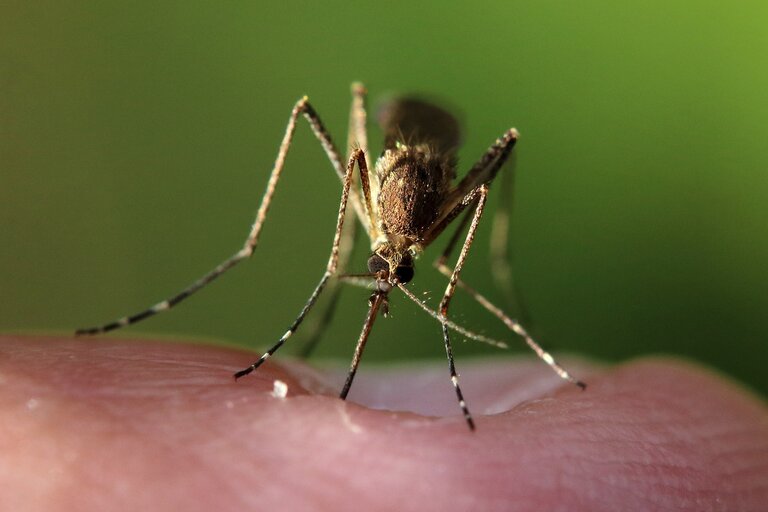
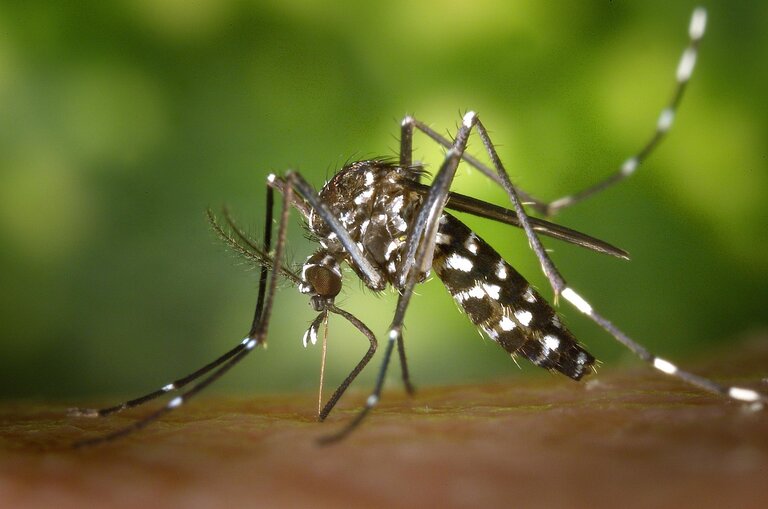
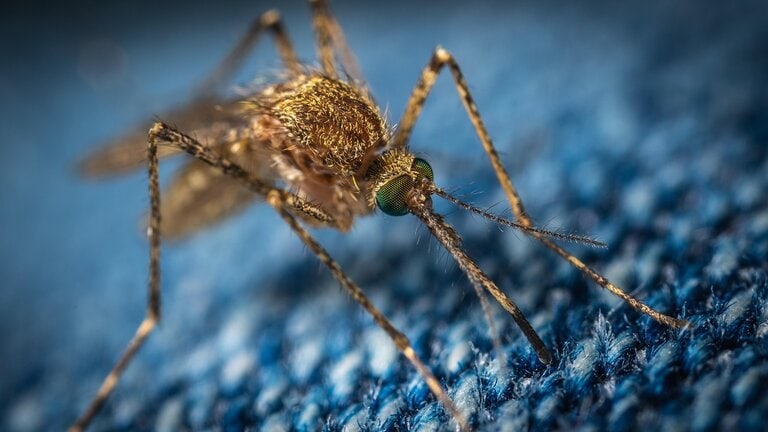
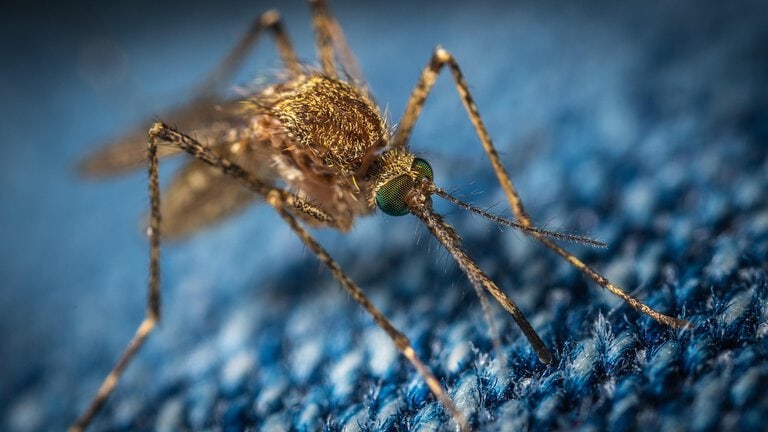
For species like the Southern House Mosquito (Culex quinquefasciatus), the -2.11°C temperature means virtually no adult activity. According to research from the University of Arkansas, adult mosquitoes are incapable of flight or seeking blood meals when temperatures drop below approximately 10°C (50°F), and prolonged exposure to freezing temperatures like 28°F is lethal for active individuals. Any eggs or larvae present in standing water would be frozen solid. While the 100% humidity itself isn’t a direct cause for concern at this temperature, it could potentially aid the survival of overwintering adult females in sheltered, non-freezing locations by preventing excessive water loss. Similarly, common household pests such as the German Cockroach (Blattella germanica), though primarily indoor dwellers, would quickly perish if exposed to sustained outdoor temperatures of -2.11°C. A study from the University of Florida highlights that cockroaches lose their ability to move and eventually freeze when ambient temperatures drop significantly below their physiological minimums.
Even robust species like the Black Carpenter Ant (Camponotus pennsylvanicus) are greatly affected. At -2.11°C, outdoor foraging ceases entirely. Entomological findings from Texas A&M University indicate that carpenter ant colonies retreat deep into their nests within wood or soil structures to avoid freezing temperatures, entering a quiescent state. The primary driver for this dormancy is the extreme cold of -2.11°C. The 100% humidity, while not preventing their dormancy, might contribute to maintaining the structural integrity of their subterranean tunnels and galleries by preventing desiccation of the surrounding soil or wood, thereby indirectly supporting their overwintering survival against moisture loss rather than temperature effects. In essence, while the high humidity is notable, the freezing temperature of -2.11°C is the dominant environmental factor dictating the widespread cessation of pest activity this week.
What to Do This Week in Texarkana
Howdy, Texarkana neighbors! This week, with our chilly 28°F, 100% humidity, and cloudy skies, bug activity is generally low, but that doesn’t mean we can let our guard down. Pests are still out there, mostly just looking for a warm, dry spot to ride out the cold snap. Now’s the perfect time to get ahead and prevent future headaches. First off, grab some caulk or steel wool and seal up any cracks or gaps around windows, doors, and utility lines leading into your home. Even small openings are an open invitation for rodents and overwintering insects desperately seeking warmth from the frigid outside temperatures. Secondly, with that 100% humidity, moisture management is critical. Inspect all your plumbing – both indoors and out – for any drips or leaks. Cold weather can stress pipes, and even minor leaks create damp conditions that attract moisture-loving pests like cockroaches and silverfish, giving them an ideal hidden habitat.
Finally, take a stroll around your home, paying special attention to your foundation, especially if you have a pier-and-beam setup or a crawl space common in many Texarkana homes. Clear out any clogged gutters or downspouts to ensure proper drainage, as standing water near the foundation, even in cold, can indicate moisture issues or create breeding grounds for mosquitoes come spring. It also attracts pests seeking shelter. Keeping a vigilant eye on these areas now, when pest pressure is lower, can save you a lot of trouble down the road. If you find any signs of unwelcome guests or need a professional assessment, remember that effective pest control Texarkana Arkansas is just a call away to keep your home comfortable and pest-free as we head towards spring.
Frequently Asked Questions about Pest Activity in Texarkana
What common pests should Texarkana residents watch for in early spring?
In early spring (March), Texarkana residents often see increased activity from ants, spiders, and occasional overwintering pests like rodents seeking new food sources. Termites also begin swarming around this time. Keeping your home sealed and yards clear helps deter these common invaders.
Are homes near Spring Lake Park in Texarkana more prone to specific pests?
Homes adjacent to Spring Lake Park or other wooded areas in Texarkana can experience higher instances of mosquitoes, ticks, and rodents due to proximity to natural habitats. Regular yard maintenance and sealing entry points are crucial for residents in these areas to mitigate pest intrusion.
When is the best time to consider professional pest control in Texarkana, Arkansas?
The best time for professional pest control in Texarkana, Arkansas, is proactively before problems escalate, often in early spring and fall. However, if you notice persistent pests like ants, spiders, or rodents indoors, immediate action is recommended. A local expert can assess your specific situation.
What termite risks are unique to Texarkana properties?
Texarkana properties face significant risks from subterranean termites, which are prevalent in Arkansas’s climate. The moist soil conditions and abundant wood sources in older homes and structures create ideal breeding grounds. Annual inspections are vital to detect these destructive pests early and prevent extensive damage.
How can I prevent ants from invading my Texarkana home this spring?
To prevent ants in your Texarkana home this spring, focus on sanitation. Seal food containers, clean crumbs promptly, and repair leaky pipes. Seal cracks in foundations and around windows/doors. Eliminate standing water outside and trim vegetation away from your home’s exterior to reduce entry points.
Protect Your Home in Texarkana, Arkansas
Don’t let local bug activity catch you off guard. Visit our local store to get expert advice and the right supplies for your specific location.