Bug Report: Junction, Utah – 2026-03-17
This Forecast is Out of Date. Please visit https://justbiteme.com/regional-bug-bite-forecast for an updated forecast

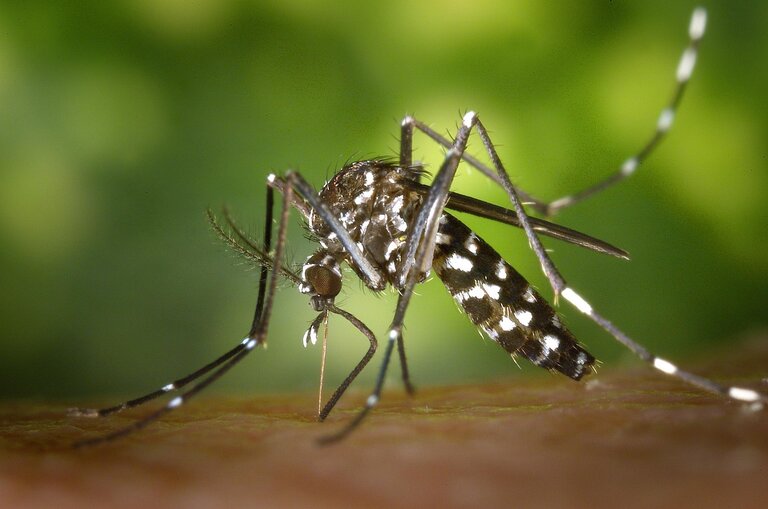
Image: Pixabay
Pest Control Junction Utah: Navigating This Week’s Snowy 31°F and 91% Humidity
Welcome back, Junction homeowners! As we bundle up against this week’s snowy blast—a chilly 31°F with 91% humidity—it’s a quiet time in the world of pests. For effective pest control Junction Utah, understanding these conditions is key. With snow blanketing everything from your yard to the hills overlooking the Sevier River, most outdoor pest activity has ground to a halt. This week, we’re at a Low risk level, meaning pests are mostly hunkered down, seeking warmth and shelter, not actively foraging or migrating. This is typical for our high-altitude, arid western climate this time of year.
This Week’s Weather and What It Means for Bugs
The prevailing conditions in Junction this week, with temperatures at a frigid -0.45°C (31°F) and 91% humidity accompanied by snow, dictate a landscape of widespread insect inactivity. According to entomological research from Utah State University, most ectothermic pests enter a state of torpor or diapause when ambient temperatures drop below their physiological thresholds, often around or just above freezing. The -0.45°C temperature effectively halts the metabolism and development of nearly all insect life stages, preventing feeding, reproduction, and general activity. Furthermore, the presence of snow, while contributing to the high 91% humidity, also acts as an insulating blanket, potentially protecting overwintering insects in the soil or under leaf litter from even more extreme temperature fluctuations.
For specific species, these conditions trigger distinct survival strategies. For instance, common overwintering pests like Boisea trivittata (boxelder bugs) and Pollenia rudis (cluster flies) are driven by the -0.45°C temperature to seek refuge in sheltered environments, primarily within the wall voids and attics of structures. At this freezing point, these adult insects are completely inactive, surviving on stored energy reserves until spring, as documented by studies from the University of California, Davis, on overwintering insect behavior. Meanwhile, ground-dwelling pests such as Tetramorium caespitum (pavement ants) are deep within their nests, undergoing diapause. The high 91% humidity in the surrounding soil helps prevent desiccation during this prolonged inactive period, while the insulating snow cover above ground buffers their subterranean nests from the -0.45°C surface temperatures, aiding their survival through the winter months.
What to Do This Week in Junction
Well folks, it’s a chilly one out there in Junction this week, with snow on the ground and temperatures hovering around freezing. While it might seem like pests are taking a vacation, many critters are actively seeking warm, dry shelter, which often means our homes! With 91% humidity and fresh snow, preventing moisture-related issues and sealing up entry points is key. First off, take a few minutes to check all your exterior doors and windows for any gaps or cracks. That cold air isn’t just raising your heating bill; it’s an open invitation for mice, spiders, and overwintering insects looking to escape the frosty -0.45°C. A simple draft stopper or some weatherstripping can make a huge difference in keeping these unwanted guests out of your cozy space.
Next, with all this beautiful snow, make sure to gently clear any snow accumulation away from your home’s foundation. While it looks picturesque, snow piled against the house can lead to moisture wicking into your walls once it starts to melt, potentially inviting moisture-loving pests like silverfish or even carpenter ants down the line. This is especially important for homes with basements or crawl spaces, which are common in our area and can become prime entry points if damp. Finally, take a quick peek in your attic or crawl space for any signs of condensation or leaks. High humidity combined with fluctuating temperatures can lead to damp spots, attracting pests that thrive in moisture. Proactive steps now can save you a headache later! If you spot anything concerning or need a hand fortifying your home, don’t hesitate to reach out to local experts in pest control Junction Utah – we’re here to help keep your home pest-free and comfortable all winter long.
Frequently Asked Questions about Pest Activity in Junction
What are the most common pests homeowners in Junction, Utah, should watch for in early spring?
In early spring (March), Junction residents typically see activity from common overwintering pests like box elder bugs and spiders emerging. Occasional rodent sightings might also increase as they seek new food sources. Keeping an eye on your home’s perimeter is key to early detection and prevention.
Are homes near the Sevier River in Junction more prone to specific pest issues?
Yes, properties close to the Sevier River, like those in the eastern parts of Junction, can experience increased mosquito activity during warmer months. Moisture-loving pests such as certain types of ants and earwigs may also be more prevalent due to the proximity to water sources.
With a low bug risk in March 2026, what preventative steps can Junction residents take?
Even with low risk, March is ideal for proactive measures. Seal cracks and gaps, clear debris, and ensure proper drainage around your foundation. Regular inspections can prevent minor issues from escalating. For comprehensive strategies or existing concerns, consider professional pest control Junction Utah services to maintain a pest-free home.
How do Junction’s high desert climate and local agriculture impact pest activity?
Junction’s high desert climate contributes to unique pest challenges. Dry conditions can drive pests like spiders and rodents indoors seeking moisture, while nearby agricultural areas might attract field mice or certain beetles. Understanding these local factors helps residents anticipate and manage potential infestations effectively.
Protect Your Home in Junction, Utah
Don’t let local bug activity catch you off guard. Visit our local store to get expert advice and the right supplies for your specific location.