Bug Report: Billings, Montana – 2026-03-17
This Forecast is Out of Date. Please visit https://justbiteme.com/regional-bug-bite-forecast for an updated forecast

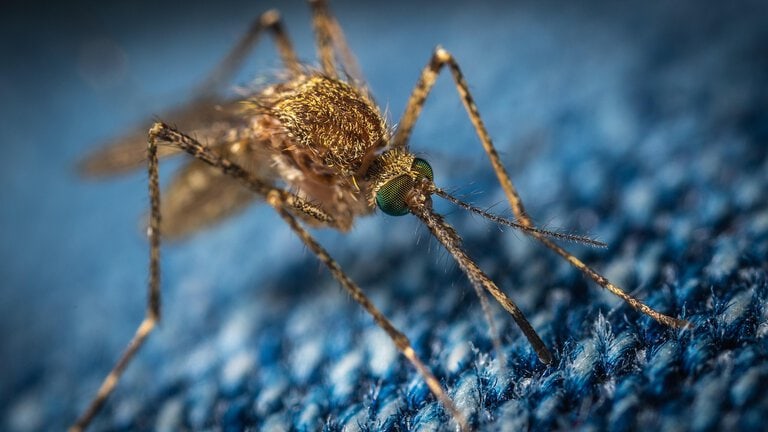
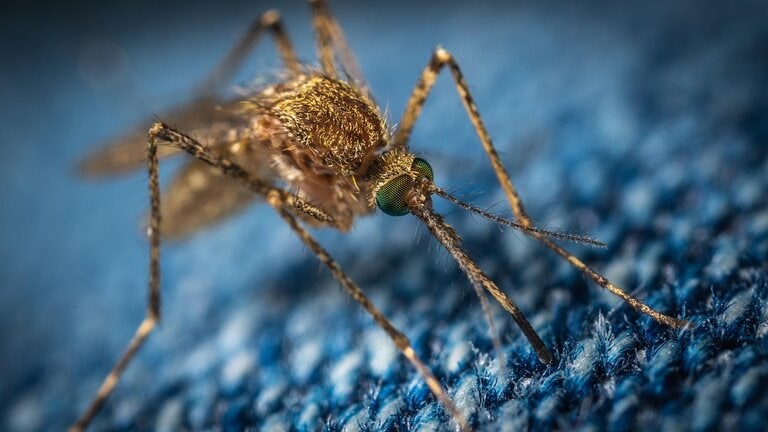
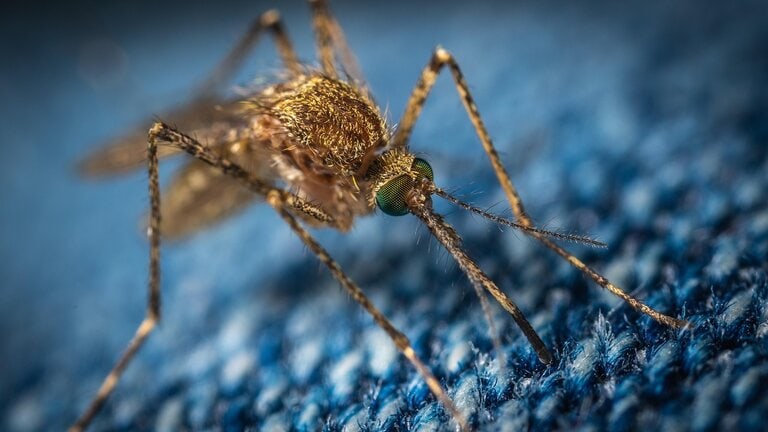
Image: Pixabay
Pest Control Billings Montana: A Frigid March 17th Update for Billings Homeowners
Well, Billings, it’s certainly a week to bundle up! With temperatures plummeting to -18.63°C (-2°F) and 100% humidity under a blanket of clouds, it feels more like deep winter than mid-March. It’s the kind of weather that makes you want to stay indoors, perhaps watching the snow fall on the Rims from your living room. Our 15 years of experience in pest control Billings Montana tells us this extreme cold means our weekly bug risk level is Low. This is excellent news for homeowners, as most common household pests are hunkered down deep due to the deep freeze characteristic of our Northern Plains climate.
This Week’s Weather and What It Means for Bugs
The frigid conditions in Billings this week, marked by a temperature of -18.63°C (-2°F) and 100% humidity, have a profound impact on local pest populations, largely enforcing a state of dormancy or outright mortality for most ectothermic organisms. At temperatures this low, insect metabolic processes effectively cease. According to research from Montana State University, most insect species native to temperate climates enter a state of diapause or quiescence when temperatures consistently drop below 0°C (32°F), and -18.63°C is well below any threshold for active foraging, reproduction, or movement. The 100% humidity, while typically beneficial for some insects in warmer conditions, likely contributes to the lethality of the cold by increasing the risk of frost formation and enhancing heat loss from any exposed pests, making survival outside of well-insulated shelters virtually impossible.
Specific pest species found in Billings demonstrate varied, but generally suppressed, responses to these extreme conditions. For instance, Boisea trivittata, commonly known as Boxelder Bugs, would be in a deep state of overwintering diapause, aggregated in sheltered locations like wall voids, attics, or beneath bark. At -18.63°C, any individuals exposed to the elements for an extended period would perish, as their cold-hardiness limits are typically exceeded. Similarly, Western Carpenter Ants (Camponotus modoc), which establish colonies in wood, are in a complete state of torpor. Their colonies would be deep within insulated wood structures or soil, where temperatures are more stable and above the lethal -18.63°C ambient reading. Activity within the colony at this temperature would be non-existent, with individuals clustering to conserve heat. According to entomological studies from the University of Montana, temperatures consistently below -10°C (14°F) for prolonged periods significantly reduce the overwintering success of many ground-dwelling and structural pests.
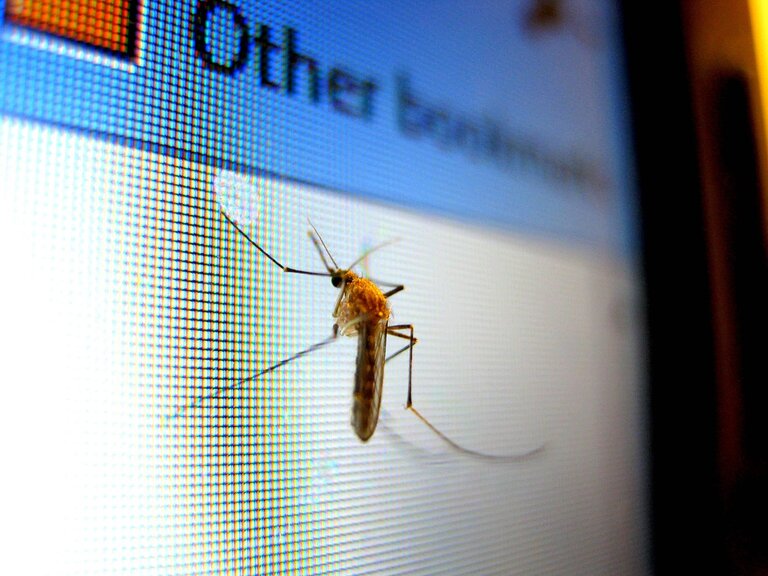
Even hardy overwintering pests, such as certain Culex species mosquitoes (e.g., Culex pipiens), are severely impacted. Adult female mosquitoes overwinter in sheltered, relatively warm environments like culverts, basements, or hollow trees. At -18.63°C, any mosquito that has not found adequate shelter would freeze solid. The 100% humidity contributes to the formation of ice in any exposed microhabitats, further reducing the chances of survival for any less-than-optimally protected individuals. This combination of extreme cold and high moisture effectively eliminates outdoor pest activity for the time being, funneling any surviving individuals into indoor refugia or deep underground, where they await the return of more favorable, warmer conditions.
What to Do This Week in Billings
Brrr, it’s a frigid one out there this week, Billings! With temperatures plummeting to -2°F and 100% humidity, pests are definitely looking for a warm, dry place to hunker down. Even with a low bug risk, proactive steps are key. First, take some time to inspect and seal any cracks or gaps around your windows, doors, and utility entry points. A small crack is an open invitation for rodents and overwintering insects like boxelder bugs or spiders seeking refuge from the extreme cold. Secondly, especially for homes here in Billings with their varied architecture, make sure your attic and crawl space vents have intact screening. Damaged screens are prime entry points for squirrels, mice, and other critters desperate to escape the biting cold. Taking these steps is essential for effective pest control Billings Montana residents can implement right away.
Beyond sealing, indoor moisture control is crucial, especially with 100% outdoor humidity. Address any leaky pipes, dripping faucets, or areas of condensation in your basement or around cold windows. Excessive indoor moisture attracts pests like silverfish, cockroaches, and even some types of ants, providing them with essential water sources and breeding grounds even in winter. Lastly, a tip specifically for our Billings climate: if you have snow or ice accumulated around your home’s foundation, clear it away a few feet. While it’s freezing, pockets of warmth from your home can cause slight melting, leading to moisture saturation against your foundation, which can attract pests and even compromise your foundation over time. Stay warm and pest-free!
Frequently Asked Questions about Pest Activity in Billings
What common pests should Billings residents watch for in mid-March?
In mid-March, Billings typically sees overwintering pests like boxelder bugs or cluster flies emerging as temperatures rise. Rodent activity might also increase as they seek new food sources. Indoor pests like ants or spiders can become noticeable as they awaken from colder periods.
Are there specific pest concerns for homes in Billings’ West End this time of year?
Homes in Billings’ West End, especially those near open fields, might experience increased rodent or spider activity as spring approaches. Boxelder bugs or elm seed bugs could also become active. Sealing entry points is crucial to prevent them from entering homes.
Despite the low risk, what should I do if I find pests in my Billings home in March?
Even with low risk, early detection is key. If you notice pests like ants, spiders, or rodents, identify the species if possible. For persistent issues or larger infestations, contacting a local service for pest control Billings Montana is advisable to address problems before they escalate with warmer weather.
How does Billings’ early spring weather influence local pest behavior?
Mild early spring weather in Billings can cause overwintering pests, such as lady beetles or stink bugs, to become active earlier than usual. Rodents might also be more mobile, searching for food and shelter as natural resources fluctuate. Monitoring for these changes is beneficial.
Protect Your Home in Billings, Montana
Don’t let local bug activity catch you off guard. Visit our local store to get expert advice and the right supplies for your specific location.