Bug Report: Birch Hills, Saskatchewan – 2026-03-17
This Forecast is Out of Date. Please visit https://justbiteme.com/regional-bug-bite-forecast for an updated forecast

Image: Pixabay
Pest Control Birch Hills Saskatchewan: Your Deep Freeze Update for March 17, 2026
Welcome back, Birch Hills neighbours! If you’re anything like me, you’re currently wrapped up tight, marveling at the incredible -34.71°C (-30°F) temperatures outside, accompanied by that biting 98% humidity and persistent cloud cover this week. As we all huddle indoors, perhaps enjoying a warm drink while looking out at the snow-covered grounds near the Birch Hills Community Centre, your local pest control Birch Hills Saskatchewan expert is here with your weekly update. Given these extreme prairie conditions, I’m happy to report a Low bug risk level for most outdoor pests. This means that while the landscape is frozen solid, most creepy crawlies are either dormant, safely insulated below the frost line, or simply not active, making significant outdoor pest issues highly unlikely right now.
This Week’s Weather and What It Means for Bugs
This week’s frigid temperatures, plunging to -34.71°C (-30°F), combined with 98% humidity and overcast skies in Birch Hills, Saskatchewan, create an extremely hostile environment for nearly all insect life. Such extreme cold significantly impacts pest biology by halting development, inducing deep dormancy, and causing widespread mortality for individuals not adequately protected. According to entomological research from the University of Manitoba, temperatures consistently below -20°C for extended periods are lethal to most exposed insects, even those with some level of cold tolerance, due to cellular damage from ice crystal formation and metabolic cessation. The accompanying 98% humidity, while not directly influencing activity at these temperatures, can contribute to moisture accumulation in protected overwintering sites, potentially impacting fungal growth or desiccation rates for surviving pests within those refugia.
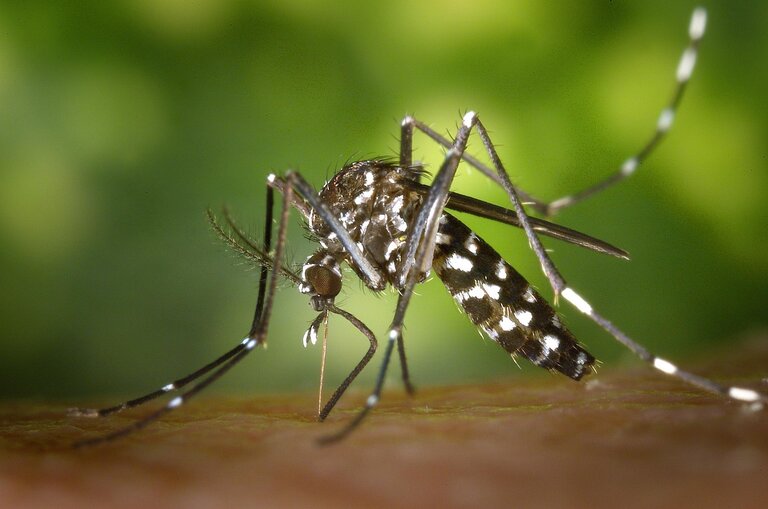
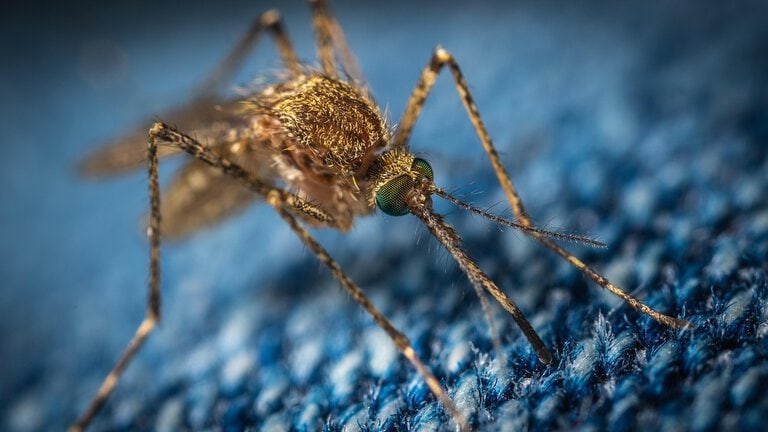
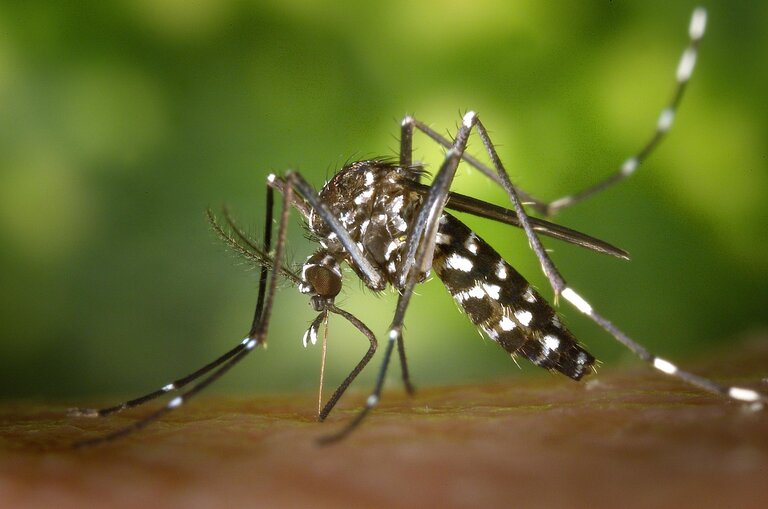
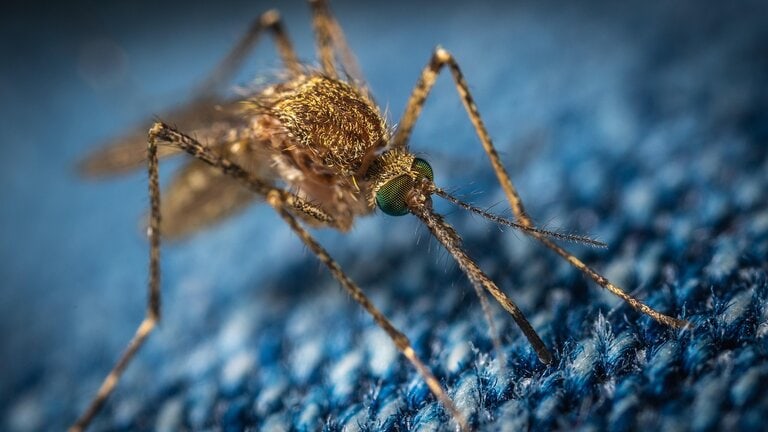
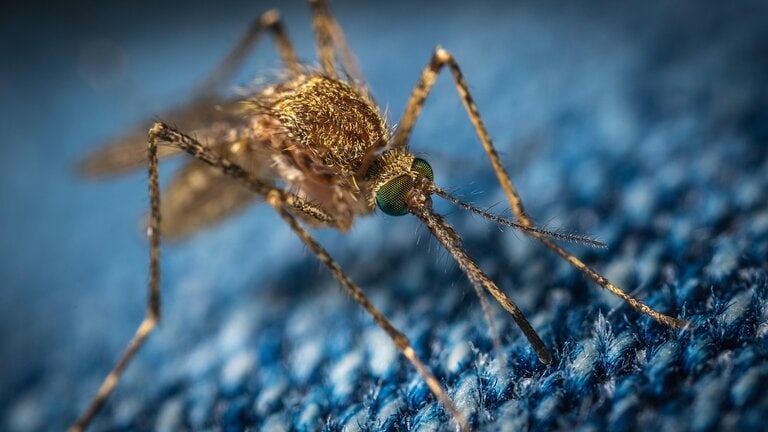
For common pests like the Western encephalitis mosquito (Culex tarsalis), these conditions mandate strict overwintering strategies. Adult female C. tarsalis enter a reproductive diapause, seeking sheltered microclimates such as animal burrows, culverts, or basements to escape the cold. At -34.71°C, any mosquito not in such a protected, often sub-zero but not ultra-low temperature environment, would quickly succumb to the cold, as their internal cryoprotectants are typically only effective down to certain thresholds, far above this week’s lows, according to studies from the University of Saskatchewan’s Department of Biology. Similarly, cluster flies (Pollenia rudis), notorious for overwintering as adults within wall voids and attics of homes, are driven even deeper into these structures by the extreme -34.71°C outdoor temperature. While the external 98% humidity doesn’t directly affect their indoor refuge, the sheer thermal gradient ensures they remain inactive and insulated, with very few, if any, emerging into living spaces unless interior temperatures are significantly elevated.
Conversely, pests strictly adapted to indoor environments, such as the German cockroach (Blattella germanica), are entirely insulated from these outdoor conditions. A German cockroach exposed to -34.71°C would freeze solid within minutes, making outdoor survival or dispersal impossible. This further emphasizes their status as commensal pests, completely reliant on human-provided warmth and resources. The high outdoor humidity would have no bearing on an indoor cockroach population, which would be thriving or struggling based on indoor humidity and temperature levels, according to pest management guidelines from the National Pest Management Association. In summary, this week’s severe cold acts as a natural, albeit temporary, suppressive force on outdoor pest populations, pushing surviving individuals into deeper dormancy or protected indoor refugia.
What to Do This Week in Birch Hills
Well hello Birch Hills! Brrr, it’s a real deep freeze out there this week with temperatures hitting a frigid -34.71°C and humidity clinging at 98%. Most pests are hunkering down or desperately trying to find a warm spot indoors. Your best bet this week is to make your home an impenetrable fortress! First off, grab your caulk gun and take a quick walk around your home, checking the seals around all windows, doors, and where utilities enter. Even tiny gaps are like a flashing ‘vacancy’ sign for mice or overwintering insects looking for warmth. Second, with that high humidity outside, keep an eye out for any unusual condensation on indoor pipes or walls. While it’s too cold for many bugs, excess indoor moisture can lead to issues with silverfish or mold mites down the road once things warm up.
Third, for those with basements or crawl spaces – and we know many Birch Hills homes have them, especially our older, charming builds – now is a great time for a quick inspection. Check carefully around the foundation and where any utility lines (like gas or water) enter for new cracks or gaps. The intense cold can cause foundations to shift slightly or materials to contract, opening up new entry points for rodents or insects seeking shelter from the elements. Plugging these up, even with some steel wool or a bit of expanding foam for now, is a fantastic proactive step. Taking these few minutes for some preventative pest control Birch Hills Saskatchewan homeowners will appreciate can save a lot of bother once spring rolls around!
Frequently Asked Questions about Pest Activity in Birch Hills
What pests are commonly observed in Birch Hills during mid-March?
During mid-March in Birch Hills, lingering cold means insect activity is low. However, residents might still encounter overwintering pests like house mice, voles, and cluster flies seeking warmth indoors. Spiders can also be found in undisturbed areas. Outdoor ant colonies remain largely dormant until warmer weather arrives.
When is the optimal time for preventative pest control in Birch Hills?
The optimal time for preventative pest control Birch Hills Saskatchewan is early spring, before pests become active, and again in late fall. This proactive approach helps establish barriers against common invaders like ants, spiders, and rodents, significantly reducing their potential to enter homes throughout the year.
Do rural properties surrounding Birch Hills face unique pest challenges?
Yes, rural properties surrounding Birch Hills, especially those adjacent to fields or natural areas, often experience higher pressure from voles, gophers, and mice seeking shelter and food. These locations may also encounter more issues with overwintering insects like boxelder bugs or ladybugs compared to town residences.
What preventative measures can Birch Hills residents take for early spring pests?
Birch Hills residents can take several steps: seal cracks in foundations and around utility entry points, clear yard debris, and ensure proper drainage around the home. Storing firewood away from structures and maintaining a tidy garage also significantly deters rodents and insects seeking early spring harborage.
Protect Your Home in Birch Hills, Saskatchewan
Don’t let local bug activity catch you off guard. Visit our local store to get expert advice and the right supplies for your specific location.