Bug Report: Okeechobee, Florida – 2026-03-17
This Forecast is Out of Date. Please visit https://justbiteme.com/regional-bug-bite-forecast for an updated forecast

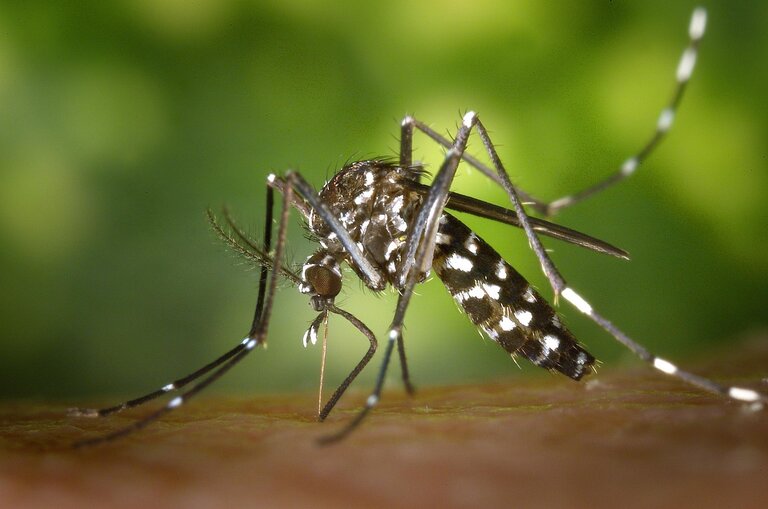
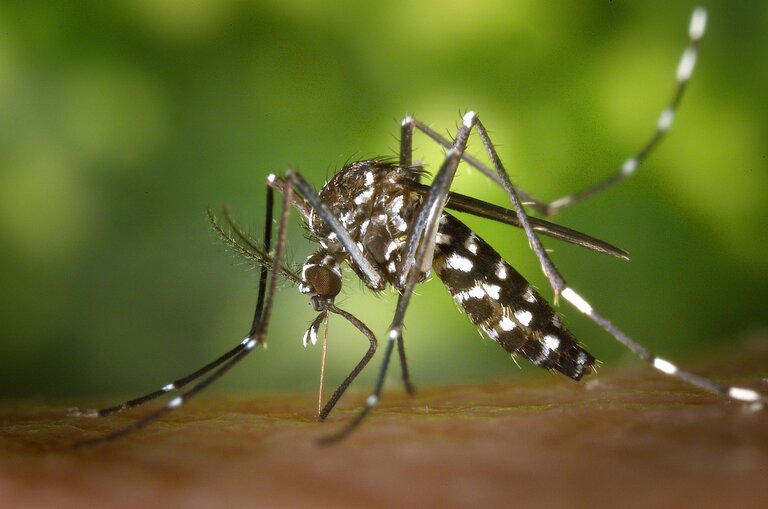
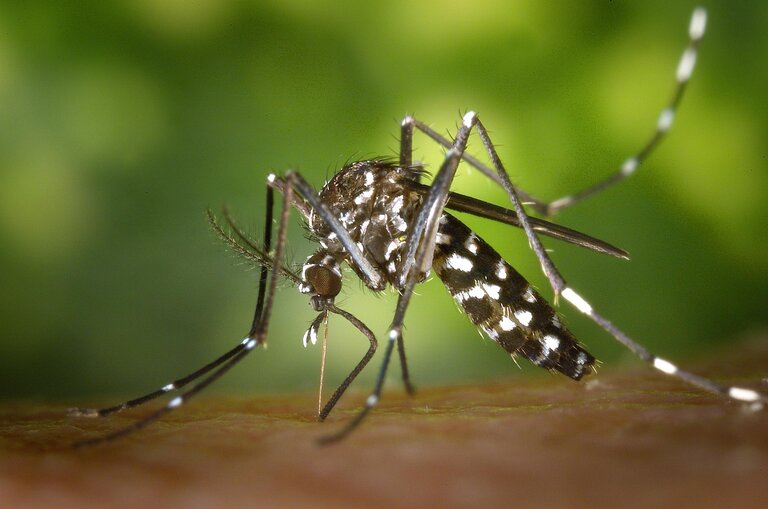
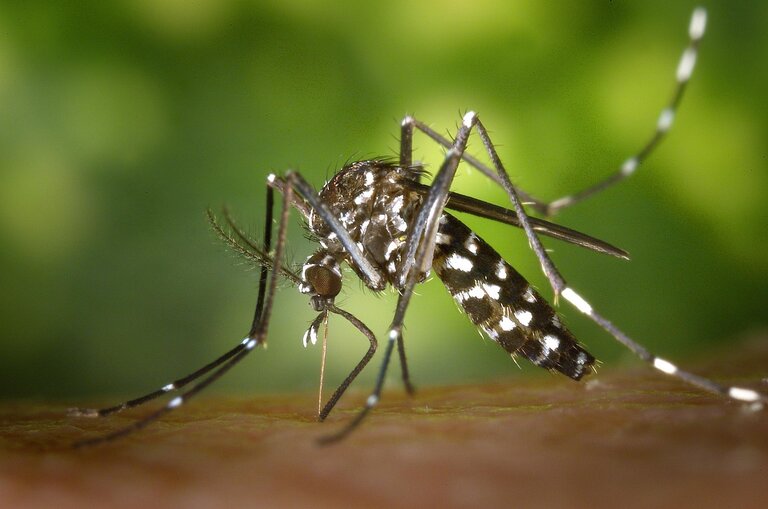
Image: Pixabay
Pest Control Okeechobee Florida: A Look at This Week’s Chilly, Cloudy Conditions (37°F)
Welcome, Okeechobee homeowners! As your trusted local expert with 15 years in Florida pest management, I’m here to bring you the latest on pest control Okeechobee Florida. This week, our typically humid subtropical region is experiencing a notable cold snap, with temperatures at a chilly 37°F under cloudy skies and 84% humidity. For those enjoying the quieter mornings around Lake Okeechobee or working on the ranches, you’ll be pleased to hear the bug risk level is LOW. This means most outdoor pest activity is significantly subdued, as many common nuisances seek shelter from the cold.
This Week’s Weather and What It Means for Bugs
This week’s conditions in Okeechobee, with a notable temperature of 2.98°C (37°F), an 84% humidity level, and cloudy skies, present a significant challenge for most insect pests. At 2.98°C, the metabolism of cold-blooded insects dramatically slows, leading to a state of torpor or complete inactivity. According to research from the University of Florida’s Entomology Department, temperatures below 10°C (50°F) generally arrest or severely inhibit the development and activity of most subtropical pest species common to South Florida. The high humidity of 84%, while typically favoring some pests in warmer conditions, is largely overshadowed by the extreme cold; its primary effect at this temperature is to reduce evaporative water loss for any pests able to find sheltered harborage, but it does not enable activity. Cloudy conditions further prevent any potential solar warming, reinforcing the overall chilling effect on the local insect population.
For specific pest species, these conditions are largely unfavorable. *Aedes aegypti* mosquitoes, for instance, are highly sensitive to cold. According to studies published by the Centers for Disease Control and Prevention, active flight and blood-feeding by *Aedes aegypti* cease at temperatures below approximately 15°C (59°F), and prolonged exposure to 2.98°C (37°F) would result in high adult mortality, with larval and pupal development completely arrested or dying off. Similarly, the American cockroach (*Periplaneta americana*), a common indoor pest, would be rendered completely inactive at 2.98°C. Research from Purdue University indicates that these cockroaches seek warm, stable environments, and outdoor populations would either die or move deep into protected areas like sewer systems or inside structures where temperatures are significantly warmer, their development halting entirely until conditions improve.
Tropical ant species like the Tawny crazy ant (*Nylanderia fulva*), which thrive in warm, humid environments, would also be severely impacted by 2.98°C. According to data from the University of Georgia, such low temperatures force colonies to retreat deep underground or into sheltered structural voids, ceasing all foraging activity and facing significant colony stress or mortality for exposed individuals. While the 84% humidity might offer a slight buffer against desiccation in these protected retreats, the overarching cold ensures that overall pest pressure and activity for these species, and many others, are at a seasonal low outdoors.
What to Do This Week in Okeechobee
Well howdy neighbors! This week, we’re seeing some pretty un-Florida-like temperatures, dropping down to a chilly 2.98°C (37°F) with plenty of clouds and that familiar 84% humidity. While our bug risk is currently low, don’t let that fool ya – pests are smart, and they’ll be looking for any excuse to get inside where it’s warm and dry (or at least warmer!). Here are a few things you can do this week to keep your home pest-free. First off, take advantage of this cooler weather to seal up any cracks or gaps around your windows, doors, and foundations. Remember, even a small opening is a grand entrance for a critter trying to escape the cold. Second, with that high humidity, keep an eye out for any condensation or moisture issues in your crawl spaces or around pipes. Cold surfaces combined with high humidity can create damp spots, which are an open invitation for moisture-loving pests like palmetto bugs or silverfish seeking a cozy, damp hideaway. Lastly, if you’ve got any firewood piles or yard debris close to your house, now’s a good time to move them at least 20 feet away. These spots are prime real estate for rodents and insects looking for shelter from the chill before they decide your home looks even better.
Speaking of keeping things dry, one specific tip for our Okeechobee homes, especially those with attics or crawl spaces, is to ensure you have proper ventilation. High humidity coupled with fluctuating temperatures can lead to moisture buildup, even in colder weather, creating an ideal environment for pests and even mold. Good airflow helps dry things out and makes your home less appealing. Taking these proactive steps now, even during a low-risk week, can save you a whole lot of headache down the road. If you find yourself needing a hand with persistent critters or just want to make sure your home is buttoned up tight, remember that reliable pest control Okeechobee Florida services are always here to help keep your sanctuary bug-free!
Frequently Asked Questions about Pest Activity in Okeechobee
What common pests are most active in Okeechobee, Florida during mid-March?
Mid-March in Okeechobee sees increased activity from mosquitoes, ants (especially fire ants), and palmetto bugs as temperatures rise. Termite swarming can also begin. Proactive monitoring and sealing entry points are crucial for effective home protection during this transition into warmer weather and reducing potential infestations around your property.
Are homes near Taylor Creek in Okeechobee more susceptible to specific pest issues?
Yes, homes near Taylor Creek in Okeechobee often face heightened mosquito pressure due to proximity to standing water. Additionally, aquatic-feeding insects and occasional rodent activity can be more prevalent. Regular perimeter treatments and ensuring proper drainage are key strategies for residents in this area to manage these specific challenges effectively throughout the year.
How does Okeechobee’s proximity to Lake Okeechobee affect local mosquito populations?
Lake Okeechobee significantly contributes to the local mosquito population, providing vast breeding grounds. The humid environment and abundant vegetation around the lake create ideal conditions for various mosquito species. Residents should use repellents, ensure screens are intact, and eliminate any standing water on their property to minimize bites and potential health risks.
What are the best strategies for preventing common household pests in Okeechobee?
Effective pest prevention in Okeechobee involves sealing cracks and entry points, maintaining a clean yard, storing food properly, and addressing moisture issues promptly. Regular inspections can identify problems early. For persistent or severe infestations, contacting a professional for pest control Okeechobee Florida services ensures targeted and effective solutions tailored to local conditions.
Protect Your Home in Okeechobee, Florida
Don’t let local bug activity catch you off guard. Visit our local store to get expert advice and the right supplies for your specific location.