Bug Report: Banff National Park, Alberta – 2026-03-17
This Forecast is Out of Date. Please visit https://justbiteme.com/regional-bug-bite-forecast for an updated forecast

Image: Pixabay
Your Weekly Pest Control Update for Banff National Park, Alberta: Cloudy Skies & Mild Temps (March 17, 2026)
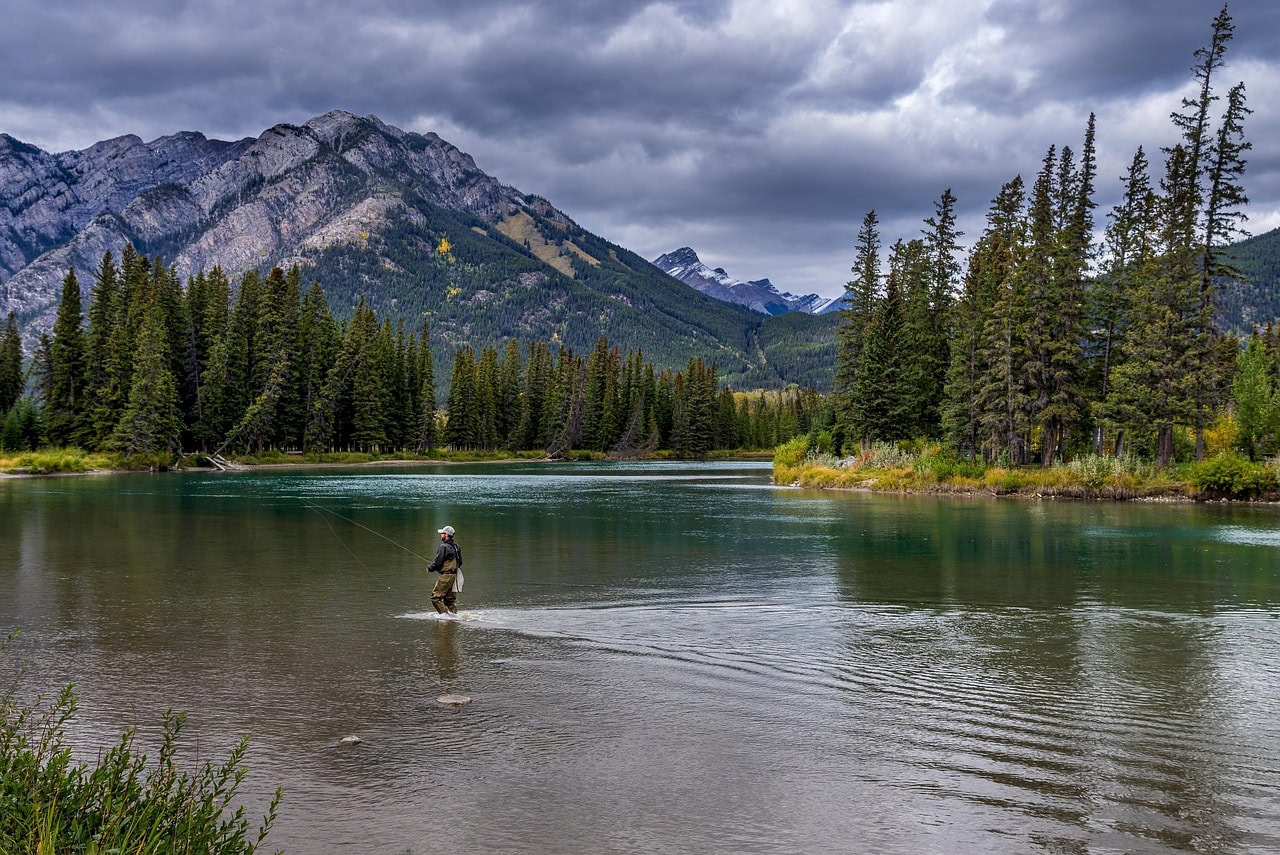
Welcome back to your trusted source for pest control Banff National Park Alberta insights! As your local expert with 15 years navigating Alberta’s unique pest challenges, I’m here to guide you through the week of March 17, 2026. With cloudy skies, mild temperatures hovering around 6°C (43°F), and 68% humidity, it’s a typical early spring day in our beautiful mountain environment. While many of us are enjoying a leisurely walk along the Fenland Trail or admiring the still-snowy peaks from downtown, it’s also a time when some pests, though largely dormant, start to feel the subtle shift in seasons. For this week, we’re holding steady at a Low bug risk level for homeowners, meaning significant pest activity indoors or out remains minimal and easily manageable.
This Week’s Weather and What It Means for Bugs
This week’s conditions in Banff National Park, with a temperature of 6.15°C (43°F) and 68% humidity under cloudy skies, create a nuanced environment for local insect populations. While the relatively cool temperature of 6.15°C generally suppresses widespread adult insect activity, it is significantly above freezing, allowing for slow metabolic processes and development to continue for many overwintering species. For instance, the Mountain Pine Beetle (Dendroctonus ponderosae), a significant forest pest, is not actively flying or dispersing at 6.15°C, as adult flight typically requires temperatures above 16°C. However, according to research from the University of Northern British Columbia, sustained periods above 0°C in early spring can be critical for the survival of overwintering larvae within tree bark, preventing cold-induced mortality and allowing for continued, albeit slow, development. The 68% humidity, coupled with cloudy conditions, helps maintain a stable, moist microclimate under the bark, reducing desiccation stress on these developing insects, which is crucial for their survival before warmer temperatures trigger emergence.
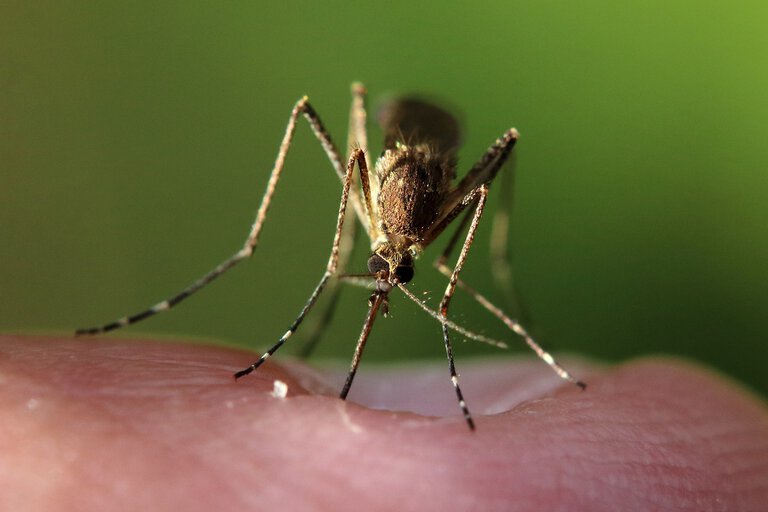
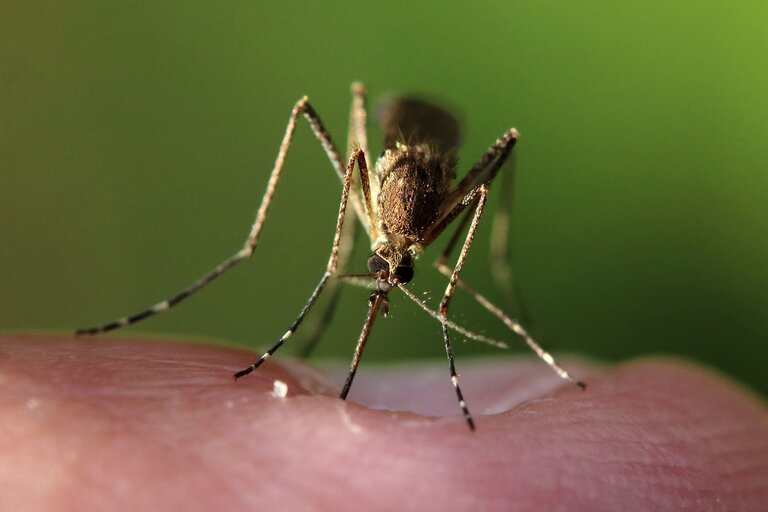
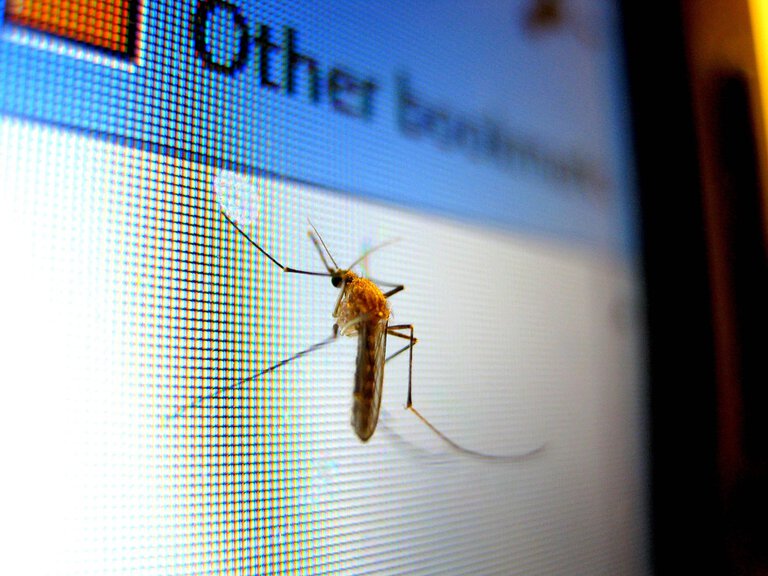
These conditions also have specific impacts on other pest species. For mosquitoes (e.g., Aedes spp.), the 6.15°C temperature is too low for significant adult flight and biting activity, as most species require warmer temperatures (typically above 10-12°C) for sustained activity. However, the above-freezing temperature, combined with 68% humidity and cloudy skies, is conducive to the slow development of mosquito larvae in snowmelt pools or standing water. According to studies from the University of Alberta, certain Aedes species larvae can develop, albeit slowly, in water temperatures around 6°C, meaning this week’s conditions contribute to their progression towards adulthood. Conversely, the Rocky Mountain Wood Tick (Dermacentor andersoni) is quite active under these conditions. At 6.15°C, adult D. andersoni are well within their optimal temperature range for spring questing. Research from the University of British Columbia indicates that these ticks can begin questing for hosts at temperatures just above freezing. The 68% humidity is highly favorable for tick activity, as it helps prevent desiccation while they wait on vegetation, and the cloudy conditions further reduce evaporative stress from direct sunlight, allowing them to remain active for longer periods.
What to Do This Week in Banff National Park
As we navigate this mid-March week in Banff National Park with cool temperatures around 6°C and 68% humidity, it’s a great time to be proactive even with a low bug risk. Pests, much like us, are seeking warmth and shelter from the damp, cloudy weather. Start by conducting a thorough inspection of your home’s exterior for any cracks, gaps, or openings around windows, doors, pipes, and utility lines. Sealing these entry points with caulk or weatherstripping prevents small critters from finding refuge indoors, effectively blocking their access before they become a problem. Additionally, focus on managing moisture around your property. With the current humidity, ensuring gutters are clear and downspouts direct water away from your foundation is crucial, as standing water and damp areas are prime breeding grounds for many common Banff pests.
For homes nestled in our beautiful Banff landscape, a specific area to focus on this week is your firewood. While essential for cozy evenings, woodpiles stacked against or near your home can be attractive harborage for overwintering insects and rodents seeking shelter from the cool, damp conditions. Store firewood at least 20 feet away from your home and elevate it off the ground to minimize pest access. Regularly check and clean out any debris from window wells and around your foundation, as these can collect moisture and organic matter that attracts pests. Taking these preventative measures now is key to effective pest control Banff National Park Alberta, ensuring your home remains a sanctuary from our natural inhabitants as spring approaches.
Frequently Asked Questions about Pest Activity in Banff National Park
What common pests might I encounter in Banff National Park during March?
During March in Banff National Park, pest activity is generally very low due to cold temperatures and snow. You might occasionally encounter rodents like mice or voles seeking shelter near human structures. Larger insects are typically dormant. Always ensure food is sealed and waste is properly disposed of to avoid attracting any opportunistic small critters to your campsite or accommodation.
Are certain areas like Lake Minnewanka or Bow Valley more prone to pests in Banff?
Pest activity varies minimally across Banff National Park in March due to the widespread cold. Areas with denser forest, such as parts of the Bow Valley Parkway or around Tunnel Mountain, might see slightly more wildlife movement than open areas like frozen Lake Minnewanka. However, the overall pest risk remains very low across the entire park during this early spring period.
What should I do if I encounter a pest problem in my accommodation within Banff National Park?
If you experience a pest issue in your Banff National Park accommodation, immediately contact your lodging provider. They are equipped to handle such concerns and will often engage professional pest control Banff National Park Alberta services if required. For wildlife encounters posing a threat or nuisance outside, report it directly to Parks Canada staff for appropriate guidance and intervention.
What precautions can I take to avoid pests while camping or hiking in Banff?
To minimize pest encounters in Banff National Park, always store all food in bear-proof containers or locked vehicles, and never leave it unattended. Dispose of all garbage promptly in designated, wildlife-proof bins. When hiking, stay on marked trails and avoid disturbing natural habitats. Regularly check clothing and gear for any hitchhiking insects, though they are uncommon in March.
Protect Your Home in Banff National Park, Alberta
Don’t let local bug activity catch you off guard. Visit our local store to get expert advice and the right supplies for your specific location.