Bug Report: Livingston, Tennessee – 2026-03-17
This Forecast is Out of Date. Please visit https://justbiteme.com/regional-bug-bite-forecast for an updated forecast

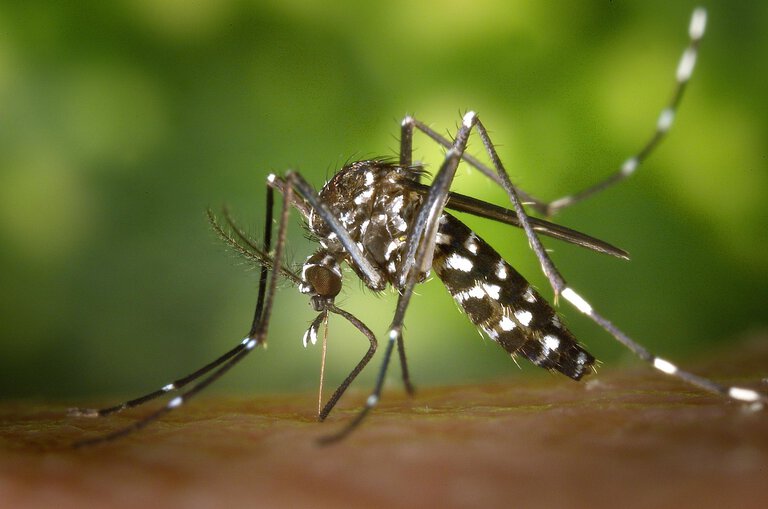
Image: Pixabay
Your Weekly Pest Control Livingston Tennessee Update: Chilly Clouds and High Humidity
Welcome back to your weekly bug report, Livingston homeowners! This week, as we observe the persistent chill with temperatures hovering around -0.68°C (31°F) and a noticeable 96% humidity under cloudy skies, our focus for pest control Livingston Tennessee shifts indoors. While the frosty air might have many of us cozying up inside, perhaps even catching a local basketball game or visiting friends near the historic courthouse square, it’s also a time when some pests seek refuge from the elements. The overall bug risk level remains low this week, which means outdoor activity for most insects is significantly reduced across our humid Southern climate. However, ‘low risk’ doesn’t mean ‘no risk,’ especially for those persistent critters looking for warmth.
This Week’s Weather and What It Means for Bugs
This week’s conditions in Livingston, Tennessee, with a temperature of -0.68°C (31°F) and 96% humidity under cloudy skies, are highly significant for local pest populations. The sub-freezing temperature of -0.68°C is a critical threshold for most insect species, effectively halting outdoor activity and forcing many into overwintering states or deep diapause to survive. According to entomological research from the University of Tennessee, sustained temperatures below 0°C are lethal to the unprotected life stages of numerous insect pests, leading to a significant reduction in their numbers and mobility. While the 96% humidity is exceptionally high, its direct impact on active pests at this temperature is secondary to the profound effect of the cold. Instead, the high moisture content, combined with freezing temperatures, contributes to frosty or icy conditions, which further restrict any potential outdoor movement for cold-susceptible species.
Considering these specific conditions, several common pests in Livingston exhibit distinct biological responses. For instance, German cockroaches (Blattella germanica), which thrive in indoor environments, are completely eliminated from outdoor survival at -0.68°C (31°F). As noted by research from the University of Florida, these roaches lack significant cold tolerance, making indoor structures their sole refuge where their populations continue to develop unchecked by external weather. Similarly, Brown Recluse spiders (Loxosceles reclusa), also an indoor-dwelling species in Tennessee, would be completely inactive and seeking deep harborage within homes and other heated structures due to the lethal -0.68°C temperature. Studies from the University of Arkansas Extension confirm that such freezing temperatures force these spiders into dormancy or lead to mortality if they lack adequate shelter. Furthermore, Asian Lady Beetles (Harmonia axyridis), known nuisance overwintering pests, have already ceased all outdoor activity in response to temperatures dropping well below 0°C. Penn State Extension research indicates that temperatures like -0.68°C trigger these beetles to aggregate and seek protective harborage within wall voids and attics, where they remain dormant until warmer spring conditions return.
What to Do This Week in Livingston
Brrr, Livingston! With temperatures dipping below freezing at -0.68°C (31°F) and a high 96% humidity this week, pests are going to be desperately seeking warmth and shelter indoors. Even with a low bug risk, prevention is key to keeping your home cozy and critter-free. Your top priority should be sealing up any potential entry points. Take a walk around your home’s exterior, paying close attention to cracks in the foundation, gaps around utility lines, and any openings around windows and doors. Sealing these now prevents unwelcome guests like rodents, spiders, and overwintering insects from finding their way inside, where they’ll quickly set up shop away from the cold.
Given the frosty air and significant humidity, it’s also crucial to tackle any moisture issues. High humidity combined with cold can lead to condensation, especially in unheated areas like attics, crawl spaces, and basements. For many homes in Livingston, Tennessee, crawl spaces are common, making them prime spots for moisture buildup which attracts silverfish, cockroaches, and even rodents. Check these areas for dampness or leaks, and ensure proper ventilation. Addressing moisture now not only deters these pests but also protects your home from potential water damage. If you’re finding persistent issues or need expert advice, remember that proactive pest control Livingston Tennessee is always your best defense against future infestations.
Frequently Asked Questions about Pest Activity in Livingston
What pest activity should Livingston residents expect in mid-March 2026?
Given the low bug risk in mid-March, residents might see early signs of ants or spiders seeking warmth indoors. Occasional rodent sightings are possible as they forage before spring fully arrives. Mosquito activity remains minimal due to cooler temperatures. Proactive sealing of entry points is beneficial to prevent future infestations.
Are homes in the Oak Hill area of Livingston more prone to specific pests?
Homes in Livingston’s Oak Hill area, particularly those near wooded lots, might experience increased activity from termites or carpenter ants seeking wood sources. Wildlife like squirrels and raccoons can also be drawn to these properties. Regular inspections and proper sealing are crucial to protect against these common local invaders.
What are the most common pests homeowners face in Livingston, Tennessee?
Livingston homeowners frequently encounter ants, spiders, and occasional rodents. Termites are a persistent concern, especially in older homes or properties with wood-to-ground contact. Maintaining clean gutters, trimming foliage, and addressing moisture issues are effective first steps in preventing these common household pests from becoming a nuisance.
When should residents consider professional pest control in Livingston, Tennessee?
Residents should consider professional **pest control Livingston Tennessee** services when noticing recurring pest problems, signs of structural damage from termites, or wildlife intrusions. Early intervention by experts prevents minor issues from escalating into costly infestations. Regular preventative treatments can also be a wise investment for long-term peace of mind.
How does Livingston’s climate affect pest populations like roaches or mosquitoes?
Livingston’s humid climate significantly influences pests like mosquitoes and cockroaches, which thrive in moist environments. Stagnant water sources, leaky pipes, and damp basements create ideal breeding grounds. Addressing drainage issues and promptly repairing leaks are vital steps to minimize these moisture-loving pests around your home and property.
Protect Your Home in Livingston, Tennessee
Don’t let local bug activity catch you off guard. Visit our local store to get expert advice and the right supplies for your specific location.