Bug Report: Big Bear Lake, California – 2026-03-17
This Forecast is Out of Date. Please visit https://justbiteme.com/regional-bug-bite-forecast for an updated forecast

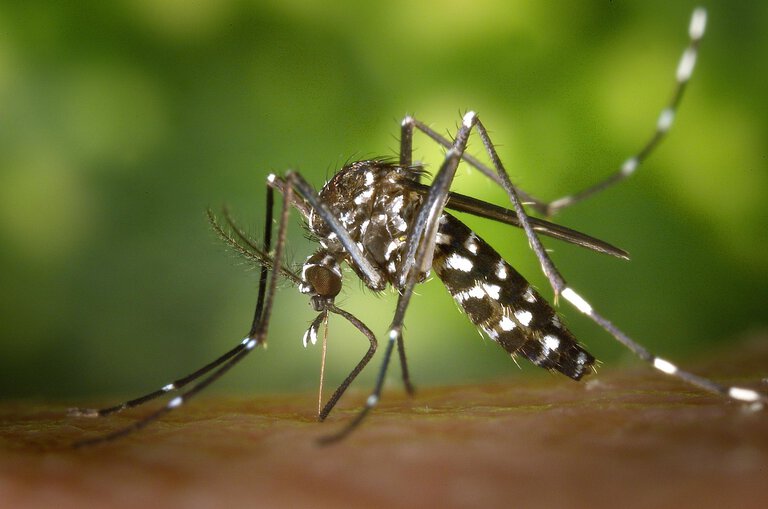
Image: Pixabay
Pest Control Big Bear Lake California: Navigating the Snowy Week of March 17th
Welcome, Big Bear Lake homeowners, to your weekly bug report! For effective pest control Big Bear Lake California, understanding our unique mountain climate is key, especially during weeks like this. With temperatures hovering around 1.56°C (35°F), 85% humidity, and fresh snow blanketing areas from Boulder Bay to the slopes of Big Bear Mountain Resort, our local pests are mostly hunkered down. This means your overall bug risk level for the week of March 17th is thankfully Low. What does a ‘Low’ risk mean for you? It signifies that active outdoor pest encounters are minimal, and while some overwintering pests might still be seeking warmth indoors, their activity is significantly reduced.
This Week’s Weather and What It Means for Bugs
The measured temperature of 1.56°C (35°F) this week, coupled with significant snow, profoundly influences the biology and behavior of most insect pests in Big Bear Lake. At these near-freezing temperatures, insect metabolism slows dramatically, inducing a state of diapause or dormancy to conserve energy and prevent freezing. The insulating effect of snow can provide a crucial layer of protection for some overwintering stages in leaf litter or soil, shielding them from even colder ambient air temperatures. Furthermore, the high 85% humidity, while contributing to the snowy conditions outdoors, also plays a role in preventing desiccation for pests that have sought shelter indoors, according to entomological studies from the University of California, Riverside.
For species like the Western Conifer Seed Bug (Leptoglossus occidentalis), the 1.56°C (35°F) outdoor temperature and snow actively trigger their overwintering behavior. These bugs, seeking thermal refuge, will often aggregate on the sunny sides of structures or invade homes and businesses, finding cracks and crevices to escape the frigid conditions, as documented by research from Oregon State University. While their activity will be minimal once inside a cool attic or wall void, a significant internal building heat source could rouse them. Similarly, outdoor colonies of Carpenter Ants (Camponotus spp.) will be largely dormant, with the 1.56°C (35°F) temperature bringing their metabolism to a near standstill. However, existing indoor colonies within heated structures may exhibit slow, sporadic activity, particularly if the 85% humidity contributes to favorable moisture levels within wood galleries, preventing desiccation, a factor noted by studies from the University of Arizona.
The current conditions, specifically the 1.56°C (35°F) temperature and snow cover, significantly reduce the outdoor questing activity of tick species such as the Western Blacklegged Tick (Ixodes pacificus). While ticks are known for some cold tolerance, these temperatures and snow mean they will largely remain dormant in leaf litter or under snow, only emerging to seek hosts during brief, warmer periods, which are not present this week. The high 85% humidity, however, is crucial for their survival during these dormant periods, preventing desiccation in their sheltered microhabitats, a key finding from research conducted by Colorado State University. This dormancy is a critical survival mechanism, allowing them to endure the harsh Big Bear Lake winter and re-emerge when conditions become more favorable.
What to Do This Week in Big Bear Lake
Greetings, Big Bear neighbors! With temperatures hovering around freezing (1.56°C / 35°F) and fresh snow on the ground this week, pests are looking for warm, dry shelter – and your home is their prime target. Now is the perfect time for some proactive pest control. First, take a walk around your home and pay close attention to your foundation, especially if you have a crawl space, which is common in our area. Snow buildup against the foundation can act as an easy bridge for rodents and insects, providing both cover and access. Gently clear any snow that’s accumulated directly against the exterior walls. Second, thoroughly inspect and seal any gaps or cracks around windows and doors, particularly those closer to the ground. Even a tiny opening can be an invitation for pests seeking refuge from the cold. Sealing these entry points now is crucial to prevent them from hunkering down inside your cozy home.
Beyond sealing up, proper moisture management is key, especially with 85% humidity in the air. While it’s cold, melting snow can lead to damp conditions in basements and crawl spaces, which are magnets for moisture-loving pests like silverfish, sowbugs, and even some rodents. Ensure these areas are well-ventilated and consider using a dehumidifier if you notice any dampness. Lastly, keep the immediate perimeter of your home tidy. Clear away any leaf litter, firewood piles, or other debris that might offer a warm, hidden spot for pests right next to your foundation. Taking these simple steps for pest control Big Bear Lake California homeowners can significantly reduce your risk of unwanted winter guests. Stay warm out there!
Frequently Asked Questions about Pest Activity in Big Bear Lake
What pests should I be aware of in Big Bear Lake during early spring?
In early spring around Big Bear Lake, common pests include overwintering rodents like mice seeking food as temperatures rise. Carpenter ants may also become active, foraging for moisture-damaged wood. Spiders like hobo spiders might emerge. Activity is generally low, but proactive checks and sealing entry points are wise.
Are rodents a significant issue for homes and cabins in Big Bear Lake?
Rodents, particularly mice and voles, can be an ongoing concern for properties in Big Bear Lake year-round, especially as they seek shelter and food. They often try to enter cabins during colder months. Sealing entry points and maintaining a clean environment are crucial preventative measures to deter them effectively.
What unique pest challenges might properties in the Big Bear City area face?
Properties in Big Bear City, often closer to natural areas, can experience increased activity from rodents and carpenter ants. The proximity to undeveloped land means a higher chance of wildlife interaction, including occasional encounters with voles or ground squirrels. Regular inspections and exterior maintenance are vital here.
When is the best time for preventative pest control services in Big Bear Lake?
The optimal time for preventative pest control in Big Bear Lake California is typically in early spring and late fall. These periods address pests emerging from hibernation or seeking winter shelter. Proactive treatments can significantly reduce issues throughout the year, protecting your property from common mountain pests.
Are spiders a common nuisance in Big Bear Lake cabins and homes?
Yes, spiders are quite common in Big Bear Lake, especially in cabins that are sometimes vacant. Species like hobo spiders and orb-weavers are frequently encountered. While most are harmless, their presence can be unsettling. Regular cleaning and sealing gaps can help minimize indoor spider populations effectively.
Protect Your Home in Big Bear Lake, California
Don’t let local bug activity catch you off guard. Visit our local store to get expert advice and the right supplies for your specific location.