Bug Report: Green Lake, Saskatchewan – 2026-03-17
This Forecast is Out of Date. Please visit https://justbiteme.com/regional-bug-bite-forecast for an updated forecast

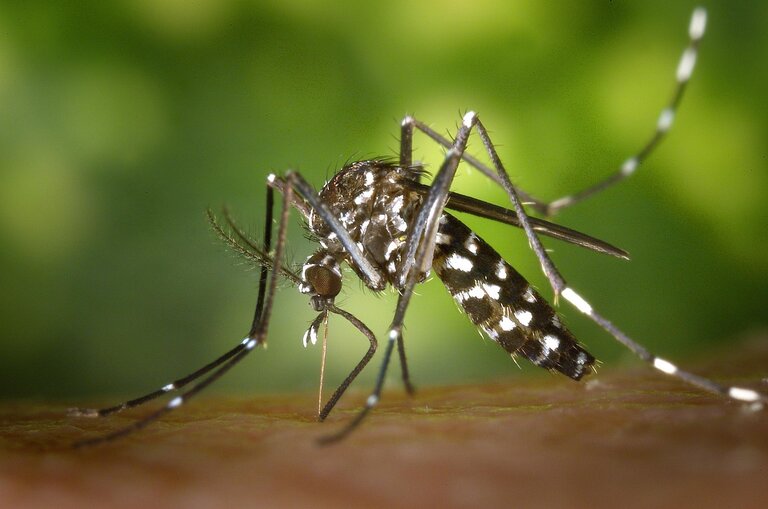
Image: Pixabay
Pest Control Green Lake Saskatchewan: Weekly Report for March 17, 2026 – Cloudy and Damp Conditions (1.21°C, 90% Humidity)
Welcome back to your weekly bug report for Green Lake! As we navigate the middle of March, the air holds a distinct dampness at 1.21°C and 90% humidity under cloudy skies. For homeowners focused on effective pest control Green Lake Saskatchewan, this week brings a generally Low risk level. This means most of our common pests are still largely dormant, hunkered down and waiting for more consistent warmth. For those living near the Lake itself, or even folks enjoying the early season peace around the Green Lake Regional Park, the good news is that active insect and rodent encounters outdoors are minimal right now. Our beautiful Saskatchewan prairie climate is still keeping things in check, but it’s not too early to start thinking about what’s coming.
This Week’s Weather and What It Means for Bugs
This week’s measured temperature of 1.21°C (34°F) in Green Lake, coupled with a high humidity of 90% and cloudy skies, creates specific environmental pressures and opportunities for local pest populations. At 1.21°C, most insects are well below their optimal activity thresholds, largely entering states of torpor or diapause to conserve energy. This temperature is just above freezing, meaning there is no immediate threat of lethal freeze for cold-hardy species, but it is certainly too low for significant outdoor foraging, reproduction, or flight. The 90% humidity, however, is a critical factor for species susceptible to desiccation, ensuring that any active organisms, or those in sheltered overwintering sites, maintain sufficient moisture, as noted by entomological research from the University of Alberta on insect overwintering strategies.
For common overwintering pests like the Western Conifer Seed Bug (Leptoglossus occidentalis) and Cluster Flies (Pollenia rudis), the 1.21°C temperature ensures they remain largely dormant within their chosen sheltered locations, typically wall voids or attics of homes. According to studies from the University of Manitoba, these species enter a state of metabolic slowdown at temperatures this low, minimizing energy expenditure. While they are inactive outdoors at 1.21°C, a prolonged period just above freezing could, in theory, allow for temporary indoor rousing if internal structural temperatures fluctuate and rise significantly, causing them to mistakenly interpret it as spring. Meanwhile, the high 90% humidity is particularly favorable for species such as Springtails (Collembola). Research from the University of Saskatchewan indicates that many springtail species are remarkably cold-tolerant and require high moisture levels to survive. At 1.21°C, coupled with the high humidity, these tiny arthropods can maintain limited activity in protected microhabitats like damp soil under leaf litter or near foundations, where they feed on fungi and decaying matter, ensuring their populations are well-positioned for increased activity once temperatures consistently rise above freezing.
What to Do This Week in Green Lake
Greetings from your neighbours at Green Lake Pest Control! This week, with temperatures hovering just above freezing at 1.21°C (34°F) and high humidity at 90%, we’re in a prime transition period. While bug risk is currently low, these conditions are perfect for preventative action, especially with all that melting snow. First, focus on moisture management. Take a walk around your home’s exterior and inspect your foundation and perimeter for any standing water or areas where snowmelt is puddling against the house. Green Lake homes, especially those closer to the water or with older foundations, are particularly vulnerable to moisture seeping into crawl spaces or basements. This dampness, combined with the high humidity, creates an ideal environment for moisture-loving pests like silverfish, sowbugs, and even some species of ants as they start to become active.
Second, take advantage of the low insect activity to seal up entry points. Now is the perfect time to caulk any small cracks around windows, door frames, and where utility lines enter your home. This simple step prevents pests from finding their way inside once the weather warms up and they become more mobile. Third, address your outdoor areas: clear away any lingering snowbanks piled directly against your foundation and remove accumulated leaf litter, branches, or other debris. These damp, sheltered spots provide excellent harborage for rodents and various insects as the ground thaws. For effective pest control Green Lake Saskatchewan, proactive measures like these are your best defence against a buggy spring and summer.
Frequently Asked Questions about Pest Activity in Green Lake
What common pests should Green Lake residents watch for in mid-March?
In mid-March, pest activity in Green Lake is generally low due to cold temperatures. However, residents might encounter overwintering pests like cluster flies or ladybugs indoors, seeking warmth. Mice can also be a concern as they look for shelter. Regular home inspections remain crucial to prevent infestations, especially as spring approaches and outdoor activity increases.
When is the recommended time for preventative pest control in Green Lake?
Proactive pest control in Green Lake Saskatchewan is best implemented before peak pest seasons, typically late spring and summer. Early spring treatments can create barriers against emerging insects. For year-round protection, especially against rodents, maintaining exclusion efforts and seeking professional pest control Green Lake Saskatchewan services seasonally can effectively manage potential issues.
Are lakeside cabins in Green Lake more prone to specific pests?
Yes, lakeside cabins in areas like Lakeshore Drive often face unique pest challenges. In warmer months, proximity to water can increase mosquito and midge activity. During colder periods, these properties are susceptible to rodents seeking shelter and overwintering insects like boxelder bugs. Sealing entry points is vital for protecting these seasonal residences from various pests.
What steps can Green Lake homeowners take to prevent rodents?
To prevent rodents in Green Lake, homeowners should focus on exclusion and sanitation. Seal all cracks and openings in foundations, walls, and around utility lines. Store food in airtight containers, keep outdoor areas tidy, and ensure garbage bins are secure. Regular inspections, especially during colder months, help identify and address potential entry points before an infestation takes hold.
Are ticks a concern in the Green Lake area, and when are they most active?
Ticks are present in the Green Lake area, especially in wooded and grassy regions. While less active in March, their activity increases significantly from spring through fall, peaking in late spring and early summer. Residents should practice tick checks after outdoor activities and consider protective clothing. Consult local health advisories for current tick-borne disease risks.
Protect Your Home in Green Lake, Saskatchewan
Don’t let local bug activity catch you off guard. Visit our local store to get expert advice and the right supplies for your specific location.