Bug Report: Colorado Springs, Colorado – 2026-03-17
This Forecast is Out of Date. Please visit https://justbiteme.com/regional-bug-bite-forecast for an updated forecast

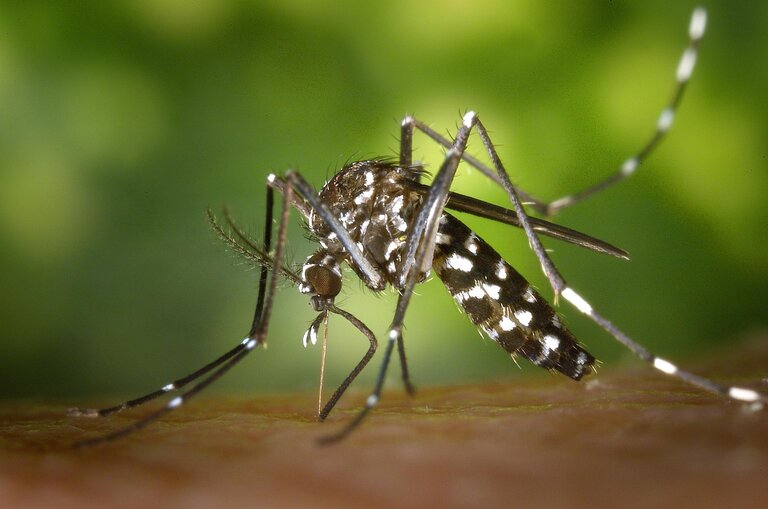
Image: Pixabay
Pest Control Colorado Springs Colorado: What 32°F and Cloudy Skies Mean for Your Home This Week
Welcome back to your weekly bug report for Colorado Springs! As your local expert in pest control Colorado Springs Colorado for the past 15 years, I’m here to break down what the current conditions mean for your home. This week, March 17th, 2026, we’re experiencing cloudy skies with a chilly temperature of 32°F (-0.19°C) and high humidity at 86%. While many residents might be enjoying the quiet view of the snow-dusted Garden of the Gods from indoors, or perhaps preparing for spring hikes, this typically means a Low risk level for most household pests in our unique high-desert mountain climate.
This Week’s Weather and What It Means for Bugs
This week’s measured conditions in Colorado Springs, featuring a brisk -0.19°C (32°F) and 86% humidity under cloudy skies, significantly impact pest biology by forcing most outdoor activity to a halt and driving many species to seek refuge. At freezing temperatures, most cold-blooded insects enter a state of dormancy or diapause, making outdoor foraging and reproduction impossible. According to entomological research from Colorado State University Extension, insect metabolic rates slow dramatically or cease below 0°C, rendering active movement and development unfeasible. While high humidity at 86% typically favors many insect species by preventing desiccation, at these freezing temperatures, its direct influence on active pest populations outdoors is largely superseded by the overwhelming impact of the cold, primarily affecting overwintering survival in sheltered microclimates rather than active behavior.
For pests like the Boxelder Bug (Boisea trivittata) and the Western Conifer Seed Bug (Leptoglossus occidentalis), the -0.19°C (32°F) temperature is the critical trigger compelling them to seek warmth. These “overwintering invaders” abandon their outdoor habitats, migrating towards homes and other structures where they can survive until warmer weather returns. Research from the University of Nebraska-Lincoln highlights that these insects will exploit any cracks or openings to gain entry, often congregating in wall voids or attics. Similarly, for mammalian pests such as the House Mouse (Mus musculus), the 32°F temperature poses a serious threat of hypothermia outdoors. The high 86% humidity, combined with freezing temperatures, can further exacerbate the risk of heat loss for these warm-blooded creatures, making a warm, dry indoor environment an absolute necessity for survival and leading to increased indoor rodent activity as they seek shelter and food resources.
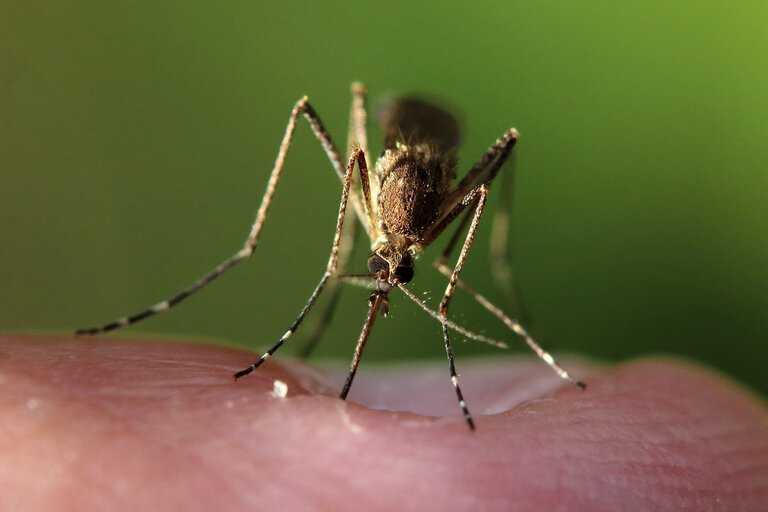
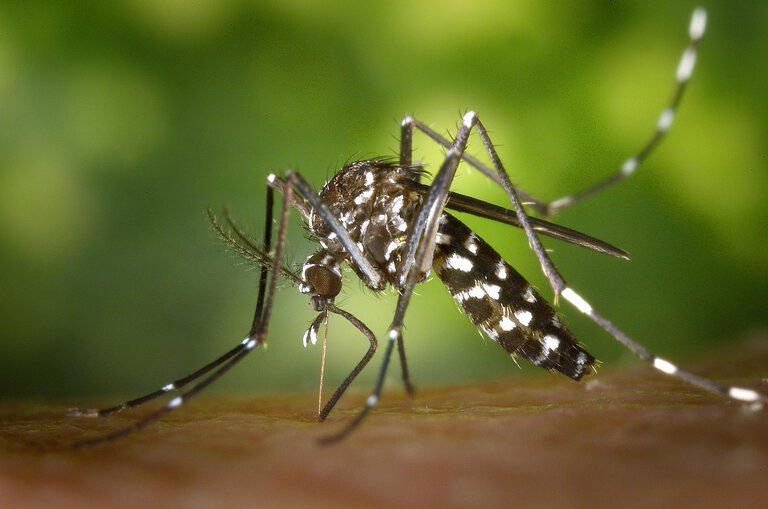
Conversely, for pests predominantly active outdoors in warmer months, the -0.19°C (32°F) conditions mean a complete cessation of their life cycle activity. Mosquitoes, such as the common house mosquito (Culex pipiens) found in Colorado, are completely inactive. According to the Centers for Disease Control and Prevention, adult mosquitoes cannot survive or fly at temperatures near freezing, and larvae or pupae in standing water would be frozen solid. While 86% humidity is ideal for mosquito survival and breeding during warm periods, at 32°F, it holds no relevance for active mosquito populations, which are either dead or overwintering as eggs or hibernating adult females in protected environments, completely unresponsive to the ambient humidity until temperatures rise significantly above freezing.
What to Do This Week in Colorado Springs
As we navigate this chilly week with temperatures hovering around freezing and high humidity, your proactive steps now can save you headaches later. First, focus on sealing up any cracks or gaps around your home’s foundation, windows, and doors. Our Colorado Springs homes, especially those on expansive clay soils, can develop minor settling cracks, and even a tiny opening is an open invitation for rodents and overwintering insects like Western conifer seed bugs to seek warmth indoors when it’s 32°F outside. Use caulk or weatherstripping to fortify these entry points, making your home less attractive to unwelcome guests.
Next, with 86% humidity in the air, pay close attention to managing indoor moisture. Check basements, crawl spaces, and bathrooms for any signs of condensation, leaks, or dampness. High indoor humidity creates an ideal environment for moisture-loving pests such as silverfish, centipedes, and even mold mites. Ensure good ventilation, especially after showers, and consider a dehumidifier in damp areas to keep relative humidity below 60%. Finally, don’t overlook your window wells. These common features in many Colorado Springs homes can become collection points for pine needles and other debris, trapping moisture and providing perfect harborage for spiders and other insects looking for shelter from the cold. Clearing them out now will prevent them from becoming pest hotspots as temperatures eventually rise. Taking these preventative measures is a smart approach to pest control Colorado Springs Colorado homeowners can implement to keep their homes comfortable and pest-free.
Frequently Asked Questions about Pest Activity in Colorado Springs
What common pests should Colorado Springs residents watch for in mid-March?
In mid-March, Colorado Springs experiences a transition. While outdoor activity is low, pests like rodents seeking warmth indoors remain a concern. Spiders might be seen, and ants could begin scouting for food sources as temperatures fluctuate. It’s an ideal time for preventative measures before spring fully arrives and insect populations surge.
How can Colorado Springs homeowners effectively address potential pest issues this spring?
Even during periods of lower pest activity, proactive measures are key. Sealing cracks, removing standing water, and maintaining a clean yard deter infestations. For persistent or emerging problems, seeking professional **pest control Colorado Springs Colorado** services ensures thorough inspection and treatment, safeguarding your home against future outbreaks as the weather warms.
Are there unique pest challenges for homes in the Briargate area of Colorado Springs?
Homes in Briargate, often newer and near open spaces, can experience issues with spiders, ants, and occasional rodents seeking shelter or food. Proximity to natural areas means wildlife encounters are also possible. Regular exterior inspections and sealing vulnerabilities are crucial to prevent these common suburban pests from establishing themselves inside your home.
Given the low bug risk in mid-March, what preventative steps are most important for Colorado Springs?
Despite low bug risk, mid-March is perfect for preventative maintenance. Focus on sealing entry points like cracks around foundations, windows, and utility lines. Clear yard debris and trim vegetation away from the house. These actions minimize access for overwintering pests and deter new ones as they become active, ensuring a more pest-free spring.
What generally attracts pests to homes in Colorado Springs’ arid climate?
In Colorado Springs’ dry environment, pests are primarily attracted to homes by readily available water sources, food, and shelter from harsh conditions. Leaky pipes, pet bowls, crumbs, and accessible garbage can all draw them in. Cracks in foundations or unsealed entry points provide perfect refuge from the sun or cold, making homes attractive sanctuaries.
Protect Your Home in Colorado Springs, Colorado
Don’t let local bug activity catch you off guard. Visit our local store to get expert advice and the right supplies for your specific location.