Bug Report: Lansdowne House, Kenora District – 2026-03-17
This Forecast is Out of Date. Please visit https://justbiteme.com/regional-bug-bite-forecast for an updated forecast

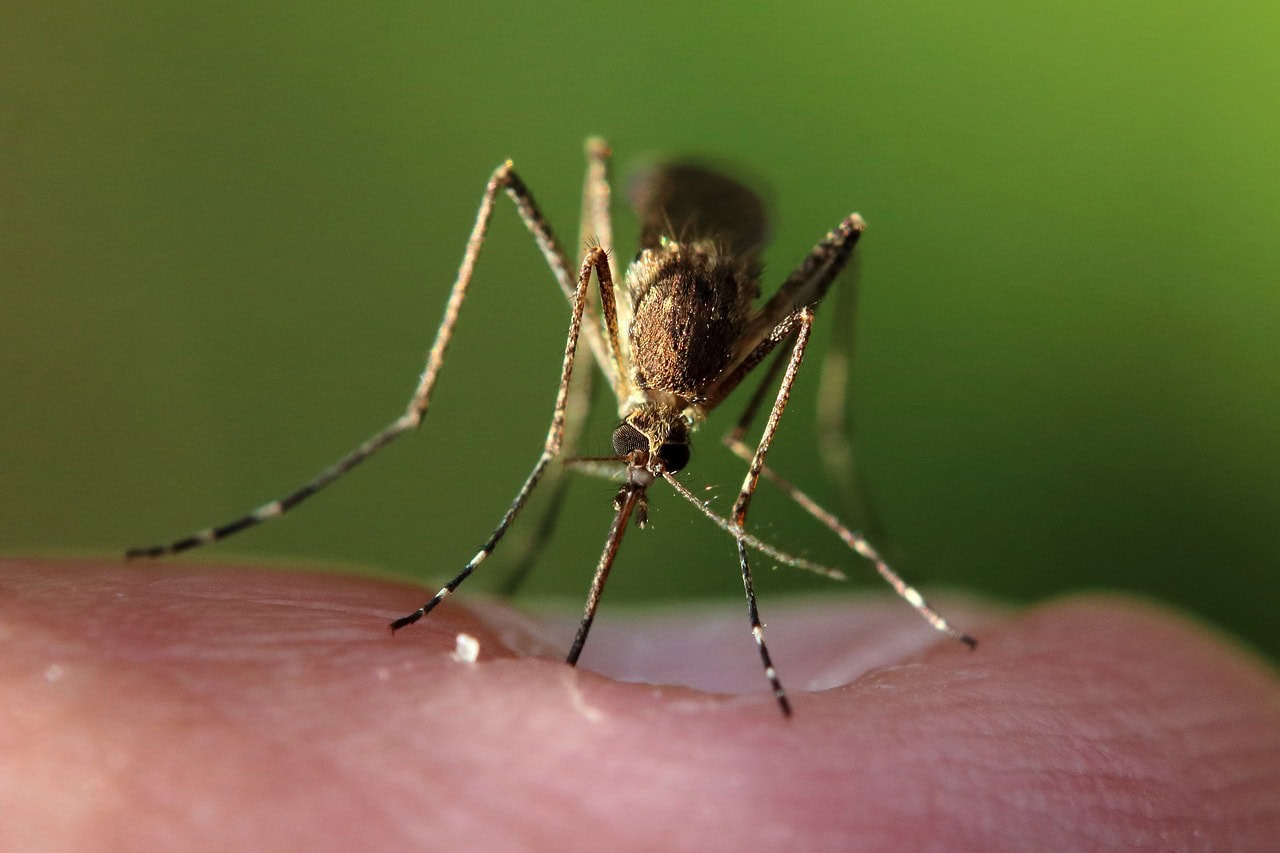
Image: Pixabay
Your Weekly Bug Report for Pest Control Lansdowne House Kenora District: Braving -16.27°C and 98% Humidity
As your seasoned expert for pest control Lansdowne House Kenora District, I’m here with your weekly update for March 17, 2026. With temperatures plunging to -16.27°C and a bone-chilling 98% humidity under cloudy skies, most outdoor pests are in a deep, icy slumber. For homeowners, particularly those along the Attawapiskat River, this means our bug risk level remains Low. This is typical for our subarctic boreal climate in Northern Ontario during mid-March. A Low risk means there’s minimal active pest pressure from the outside world, allowing you to focus on indoor prevention rather than active outdoor threats.
This Week’s Weather and What It Means for Bugs
The frigid temperature of -16.27°C (3°F) measured this week in the Kenora District is a critical factor for nearly all outdoor insect pest species. At such extreme sub-zero temperatures, metabolic rates plummet, and active foraging, reproduction, and development cease entirely. According to entomological research from the University of Guelph, most cold-blooded insects cannot survive prolonged exposure below 0°C without specialized physiological adaptations like freeze tolerance or avoidance, or by entering a state of diapause. The high humidity of 98% at this temperature further exacerbates the harshness, contributing to conditions where any exposed moisture would rapidly freeze, intensifying the challenge for insects attempting to overwinter outdoors. This combination effectively halts outdoor pest activity, pushing any surviving individuals into protected microclimates or, critically, into human structures.
For common overwintering pests like the Cluster Fly (Pollenia rudis) and the Boxelder Bug (Boisea trivittata), these conditions are a strong deterrent to outdoor survival. At -16.27°C, adult cluster flies and boxelder bugs are entirely inactive and would quickly succumb if exposed. Research from the University of Manitoba indicates that these insects rely heavily on seeking shelter in protected areas, often within wall voids and attics of homes, to escape temperatures far less severe than 3°F. The 98% humidity, while not a direct threat to insects already sheltered, contributes to the overall frozen landscape, making outdoor survival exceedingly difficult and reinforcing their reliance on indoor harborage. Similarly, Carpenter Ants (Camponotus spp.) colonies, while located within wood, would have all outdoor foraging activity completely halted by the -16.27°C temperature, with individuals deep within their nests in a state of torpor. According to studies published by the Entomological Society of America, carpenter ant activity ceases below approximately 7°C, making -16.27°C a profound inhibitor of any outward-facing colony functions.
While outdoor pest activity is effectively non-existent under these conditions, the extremely low temperature of -16.27°C and high 98% humidity create a strong selective pressure, driving many pests indoors for survival. This means that while you won’t see pests actively foraging outside, any pests that have already gained entry into your home are now well-established, relying on indoor warmth and resources to survive the winter. For residents of Lansdowne House, Kenora District, this emphasizes the importance of sealing entry points and monitoring for indoor pest activity, as your home becomes a vital refuge from the otherwise lethal outdoor environment.
What to Do This Week in Lansdowne House
Hello neighbours! This week, with temperatures plunging to a brisk -16.27°C (3°F) and humidity at 98%, our bug risk might be low outdoors, but the focus shifts to preventing pests from seeking warmth inside your cozy home. The extreme cold is a huge motivator for rodents like mice and voles, as well as overwintering insects, to find any tiny crack or gap to escape the elements. This is why your absolute top priority for pest control in Lansdowne House Kenora District right now should be a thorough inspection of your home’s exterior. Take a walk around and carefully check all windows, doors, utility line entry points, and your foundation for any visible cracks or openings. Sealing these potential entry points with appropriate caulk or weatherstripping isn’t just about keeping pests out; it also helps maintain your home’s warmth and efficiency during these chilly days.
Given the high humidity alongside the deep freeze, it’s also crucial to address potential moisture issues that could arise. Pay special attention to your roofline for any signs of ice dams forming, and if safe to do so, peek into your attic for condensation. Ice dams can lead to water intrusion when temperatures eventually rise, creating damp conditions attractive to pests like carpenter ants. Another important local tip for our Kenora District homes: ensure any firewood piles are elevated off the ground and positioned at least 18-24 inches away from your home’s foundation. Also, take a moment to shovel snow away from your foundation walls. These snow banks can act as insulation, creating hidden, warmer pockets that rodents and other overwintering pests exploit to get closer to — and eventually into — your home. Proactive steps now save bigger headaches later!
Frequently Asked Questions about Pest Activity in Lansdowne House
What are the most common pests homeowners in Lansdowne House encounter during early spring?
During early spring in Lansdowne House, residents often see overwintering pests like cluster flies or boxelder bugs emerging as temperatures rise. Rodents, seeking food sources after winter, can also become more active. Ensuring proper sealing of entry points is crucial to prevent these common infestations.
Are there specific pest challenges for properties near the Old Settlement Area in Lansdowne House?
Properties near the Old Settlement Area, often closer to natural bush and older structures, may experience increased issues with mice, squirrels, and carpenter ants. The proximity to natural habitats and potential older wood makes these areas more susceptible to such infestations, requiring vigilant preventative measures.
How can I prevent rodents and overwintering insects from entering my home in Lansdowne House this March?
To prevent pests this March, seal all cracks and openings in your foundation, around pipes, and utility lines. Ensure screens are intact and doors have tight seals. Implementing proactive pest control Lansdowne House Kenora District strategies, especially before spring fully arrives, significantly reduces rodent and insect entry.
What should I do if I find evidence of larger wildlife pests, like squirrels or raccoons, near my Lansdowne House property?
If larger wildlife like squirrels or raccoons are causing issues, avoid direct confrontation. Secure garbage bins, remove outdoor food sources, and seal potential den sites. For persistent problems, contact local wildlife control or trappers experienced with managing these animals safely and humanely in the Lansdowne House area.
Is there a local emergency contact for urgent pest issues in Lansdowne House, Kenora District?
For urgent pest issues in Lansdowne House, it’s best to contact regional pest control services that operate in the Kenora District. While a dedicated local emergency number might not exist, several providers offer rapid response for severe infestations, especially for safety-critical situations involving rodents or aggressive insects.
Protect Your Home in Lansdowne House, Kenora District
Don’t let local bug activity catch you off guard. Visit our local store to get expert advice and the right supplies for your specific location.
Find Just Bite Me Products Near You
Discover where you can purchase Just Bite Me products in your area.