Bug Report: Lacombe, Alberta – 2026-03-17
This Forecast is Out of Date. Please visit https://justbiteme.com/regional-bug-bite-forecast for an updated forecast

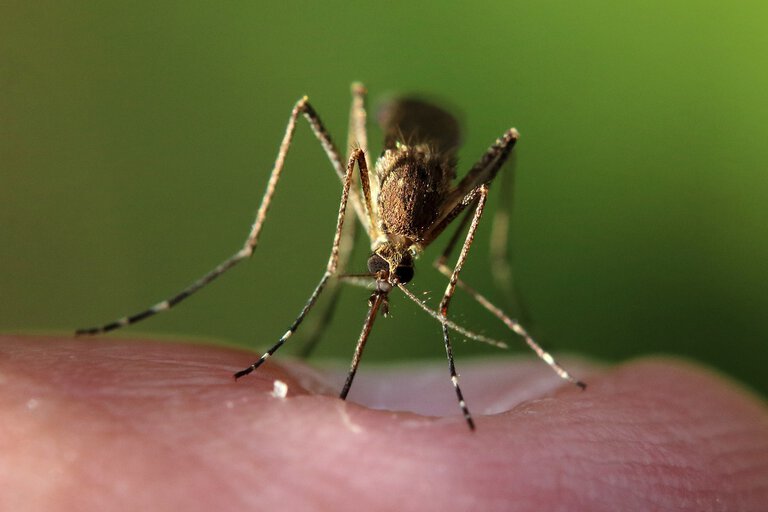
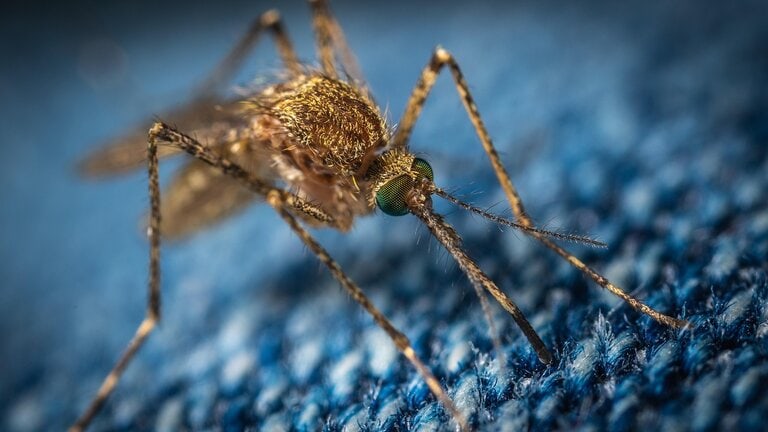
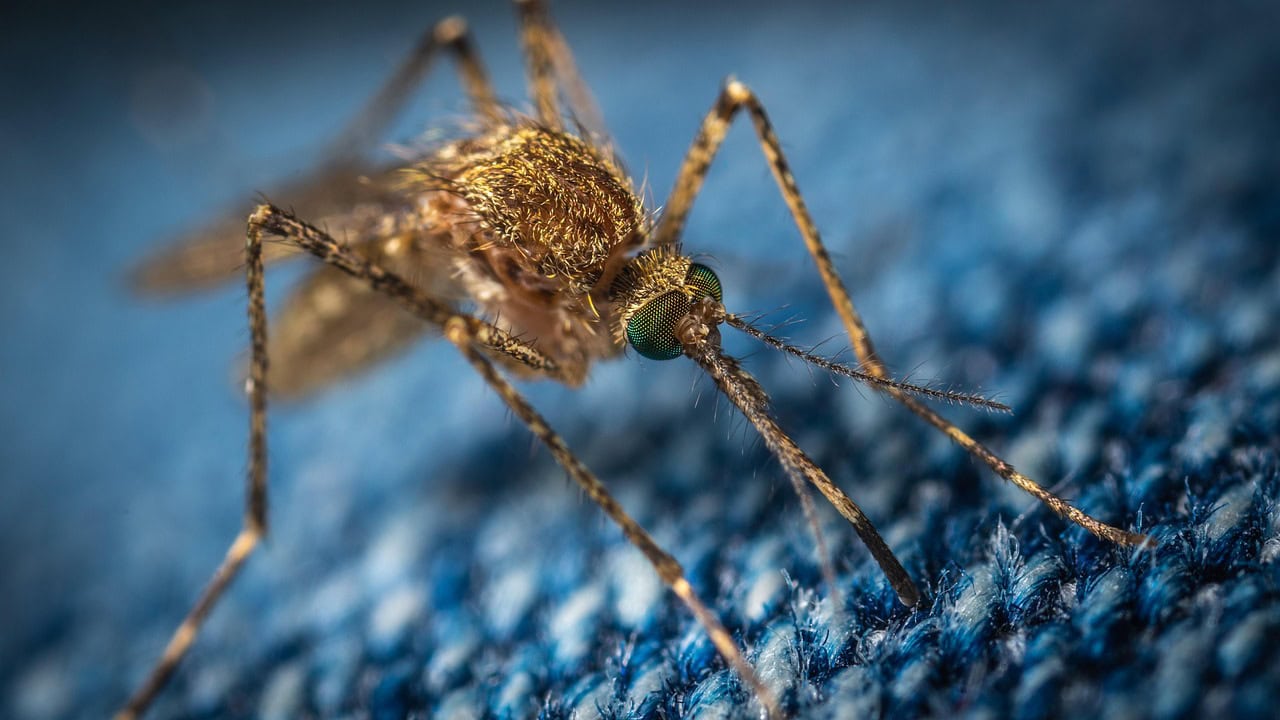
Image: Pixabay
Your Weekly Guide to Pest Control Lacombe Alberta: March 17th’s Cloudy, Near-Freezing Forecast
Welcome to your weekly bug report, Lacombe homeowners! As your local expert with 15 years of experience tackling Alberta’s unique pest challenges, I’m here to provide insights for effective pest control Lacombe Alberta. This week, on March 17th, we’re experiencing typical early spring conditions with cloudy skies, a temperature hovering just below freezing at -0.9°C, and 71% humidity. While many of us might be dreaming of warmer days and perhaps planning walks around the historic downtown core or the trails near the Lacombe Memorial Centre, the current weather means our overall bug risk level remains Low. This is good news, as most outdoor pests are still in a dormant state, sheltered from Alberta’s continental climate. For homeowners, a ‘Low risk’ week means less immediate concern about new infestations from outside, but it’s still an ideal time to assess for overwintering pests that might have found refuge indoors.
This Week’s Weather and What It Means for Bugs
This week’s measured temperature of -0.9°C (30°F) for Lacombe indicates conditions just below freezing, profoundly impacting the activity levels of most outdoor insect pests. At this temperature, the vast majority of arthropods native to Alberta enter a state of dormancy, known as diapause or quiescence, as their metabolic processes slow drastically to conserve energy and survive the cold. Coupled with a relatively high humidity of 71%, insects that have found sheltered overwintering sites may benefit from reduced desiccation risk, helping them survive the cold until spring. For indoor pests, while the external temperature doesn’t directly dictate their immediate environment, it drives many species to seek warm, protected harborage within structures.
Consider specific pest responses to these conditions. For Boxelder Bugs (Boisea trivittata), the -0.9°C temperature means any individuals still exposed outdoors would be inactive or succumbing to the cold. Those that have successfully infiltrated homes and other structures are now in a state of overwintering diapause, often clustered in wall voids or attics. According to entomological studies from the University of Manitoba, a 71% relative humidity in these sheltered overwintering sites can significantly contribute to their survival rates by minimizing water loss from their bodies during prolonged periods of inactivity. Similarly, Cluster Flies (Pollenia rudis), another common overwintering indoor pest, would exhibit no outdoor activity at -0.9°C. These flies typically seek shelter in structures during autumn. Research published by the Canadian Journal of Entomology highlights that while cluster flies are cold-tolerant, maintaining a 71% humidity within their overwintering refugia (such as attics or wall voids) helps to prevent desiccation and ensures a higher survival rate through the winter months.
Finally, Carpenter Ants (Camponotus species) colonies, whether situated outdoors or within structural wood, will be experiencing drastically reduced activity at -0.9°C. Outdoor colonies would be deep in dormancy, typically below the frost line. For colonies within heated structures, while the immediate interior is warmer, the proximity to building envelopes experiencing -0.9°C can induce a state of torpor or significantly reduced foraging. Studies conducted by the University of Alberta suggest that a 71% humidity, especially in areas with moisture issues, can be a critical factor for carpenter ant colony health during overwintering, as it helps prevent desiccation of brood and adult ants within their galleries, even when their metabolic activity is minimal due to lingering cold.
What to Do This Week in Lacombe
Even with the bug risk level remaining low this week in Lacombe, with temperatures hovering just below freezing at -0.9°C and clouds overhead, it’s a great time to be proactive and ensure your home stays pest-free. Pests like mice and even some insects are still actively seeking warmth and shelter from the cool, damp conditions. First, take a moment to inspect the perimeter of your home for any small gaps or cracks around window frames, door sweeps, and utility line entry points. Sealing these entry points with caulk or weatherstripping now prevents unwanted guests from finding their way inside as they search for a warmer environment. Also, pay close attention to your foundation and any window wells, a common feature in many Lacombe homes. Clear away any lingering snow, leaves, or debris that might be accumulating, as melting snow combined with the 71% humidity can create damp conditions ideal for attracting moisture-loving insects and providing harborage for rodents.
Secondly, with the outside air holding significant moisture at 71% humidity and temperatures fluctuating around freezing, keep an eye on interior condensation, especially in basements and attics. Ensure proper ventilation to prevent excess moisture build-up, which can attract silverfish, sowbugs, and even promote mold growth that secondary pests feed on. If you notice any damp spots or musty smells, investigate promptly. While the risk is low, these preventative measures are crucial for long-term home health. Taking these simple steps now can save you a headache later, and remember, for comprehensive pest control Lacombe Alberta homeowners trust, we’re always here to help.
Frequently Asked Questions about Pest Activity in Lacombe
What common pests should Lacombe residents be aware of in mid-March?
In mid-March, pest activity in Lacombe is typically low. Residents might occasionally spot overwintering pests like cluster flies or boxelder bugs emerging on warmer days. Rodents might still seek indoor shelter if temperatures drop. General outdoor insect populations are just beginning to stir, but widespread infestations are unlikely at this time of year.
Are homes near Lacombe Lake prone to specific pest issues, especially in early spring?
Homes near Lacombe Lake generally see increased mosquito activity later in spring and summer. In mid-March, however, specific lake-related pest issues are minimal. Residents might consider preventative measures for rodents if they have had issues. For any persistent or unusual pest problems, professional pest control Lacombe Alberta services can offer tailored advice.
What preventative steps can Lacombe homeowners take against pests as spring approaches?
As spring approaches, seal cracks and gaps in foundations and around windows to prevent entry. Ensure screens are intact. Keep basements and attics dry and clutter-free to deter rodents and overwintering insects. Clear any leaf litter or debris from around the home’s perimeter, which can harbor pests seeking shelter.
With agricultural areas surrounding Lacombe, do these influence local household pests?
While Lacombe is surrounded by agricultural land, direct influence on household pests in mid-March is usually minimal. Field pests like certain rodents or insects tend to stay in their habitats during this dormant period. As crops grow later in the season, some might migrate, but currently, most household pest issues are unrelated to agricultural proximity.
Protect Your Home in Lacombe, Alberta
Don’t let local bug activity catch you off guard. Visit our local store to get expert advice and the right supplies for your specific location.