Bug Report: Rankin Inlet, Nunavut – 2026-03-17
This Forecast is Out of Date. Please visit https://justbiteme.com/regional-bug-bite-forecast for an updated forecast

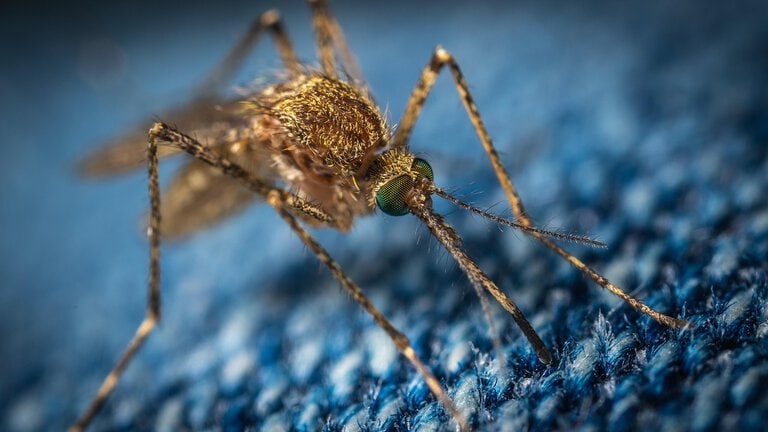
Image: Pixabay
Your Weekly Guide to Pest Control Rankin Inlet Nunavut: March 17th Amidst Cloudy Skies and -5.95°C
Welcome back to your weekly update on pest control Rankin Inlet Nunavut! As we navigate the lingering cold of mid-March, with cloudy skies overhead and temperatures hovering around -5.95°C (21°F) and 66% humidity, it’s a good time to reflect on the unique challenges and opportunities our Arctic climate presents. For many of us, whether we’re heading to the Kissarvik Cooperative for supplies or preparing for a weekend trip out to a cabin, the immediate concern for active insect pests is generally low. This low risk level means that most outdoor pests are in deep hibernation or simply not active, significantly reducing direct threats to your home and family at this time. Our region, characterized by its vast subarctic expanses and permafrost, experiences long, cold winters which naturally suppress pest populations for much of the year.
This Week’s Weather and What It Means for Bugs
This week’s measured temperature of -5.95°C (21°F) in Rankin Inlet signifies a period of profound dormancy for the majority of outdoor insect populations. At this sub-zero temperature, active metabolic processes for most insect species are completely halted. Pests adapted to the Arctic environment survive through specialized overwintering strategies, typically as cold-hardy eggs, larvae, or adults in a state of diapause, safely buried in soil or protected microhabitats. According to entomological studies from the University of Alaska Fairbanks, temperatures consistently below 0°C (32°F) prevent adult insect emergence and flight, effectively pausing their life cycles until warmer conditions return. The observed 66% humidity, while a moderate level, becomes less critical for active insect physiology at such freezing temperatures, instead influencing the microclimatic conditions of overwintering sites, such as the frost heave and moisture content of frozen soil, which can impact long-term survival for dormant stages.
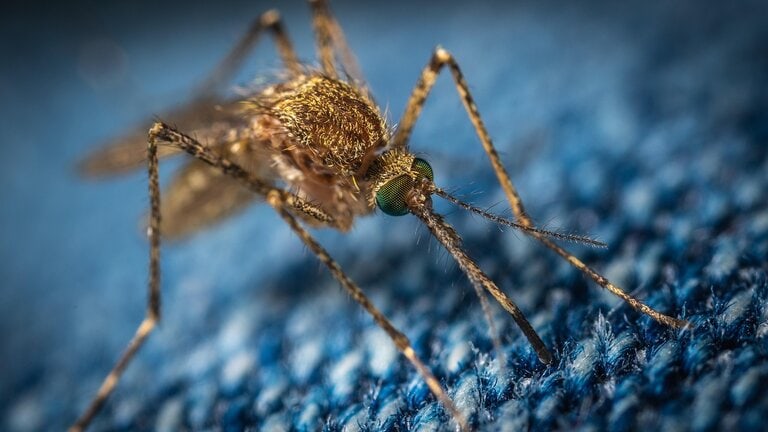
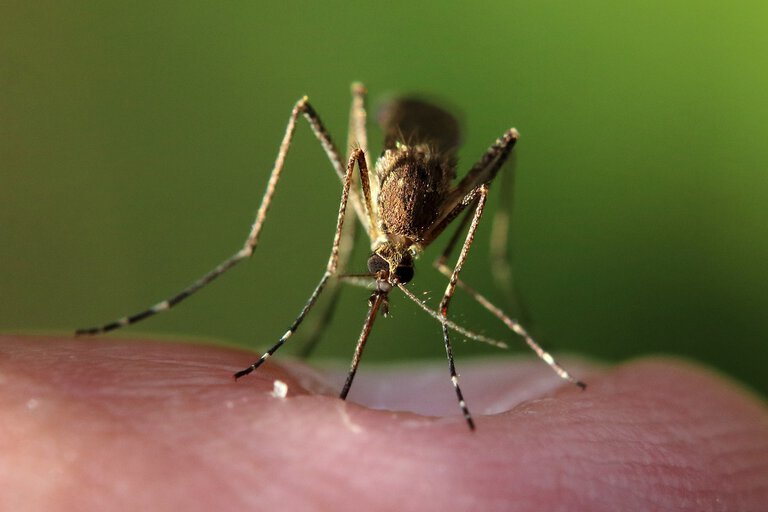
Considering specific pest species, the -5.95°C (21°F) temperature directly impacts Arctic mosquitoes, such as Aedes impiger or Aedes nigripes. At this temperature, adult mosquito activity is entirely absent, with the species surviving as highly resilient eggs embedded in frozen tundra soil and vegetation. These eggs are physiologically adapted to withstand prolonged periods below freezing, remaining in diapause until the spring thaw, as documented by research from the University of Manitoba. The 66% outdoor humidity, while not directly affecting frozen eggs, contributes to the overall moisture content of the frozen environment, which can be critical for maintaining egg viability and preventing desiccation once temperatures rise and thawing begins.
For indoor pests like the common bed bug (Cimex lectularius), the -5.95°C (21°F) outdoor temperature ensures that there is no risk of these pests surviving or dispersing outside of heated structures in Rankin Inlet. Any infestation remains strictly internal, as bed bugs cannot survive prolonged exposure to such extreme cold. However, within heated homes and facilities, their activity is unaffected by the outdoor conditions. The 66% indoor humidity, if representative of indoor conditions, is well within the optimal range for bed bug survival and reproduction. According to research from the University of California, Riverside, moderate humidity levels such as 66% help prevent desiccation in bed bug adults and nymphs, and crucially support the viability and hatching success of bed bug eggs, allowing populations to continue thriving and growing within infested dwellings regardless of the harsh climate outside.
What to Do This Week in Rankin Inlet
Hello Rankin Inlet neighbours! This week, with temperatures hovering around -5.95°C (21°F) and a low bug risk, it’s the perfect time for some proactive pest prevention. Even though it’s still chilly, pests like mice and overwintering insects are actively looking for warm indoor shelter from the cold and the clouds. A crucial step for effective pest control Rankin Inlet Nunavut homeowners can take is to thoroughly inspect and seal any potential entry points around your home. Pay close attention to cracks around utility pipes, vents, and any gaps in window and door frames. Sealing these small openings now prevents them from becoming highways for unwelcome guests later, keeping your home cozy and pest-free.
Beyond general sealing, let’s consider what’s unique to our homes here in Rankin Inlet. Many of our homes are built on elevated foundations due to permafrost, so it’s vital to check these crawl spaces. Look for any signs of wildlife or rodent entry, and ensure any skirting is intact, as these sheltered areas can provide critical refuge that’s warmer than the outside air for pests. Secondly, managing indoor moisture is key; while outdoor humidity is moderate, indoor activities like drying clothes can raise internal humidity, attracting pests like silverfish or creating conditions for mold. Ensure good ventilation and promptly address any leaks under sinks or around plumbing. Lastly, good sanitation remains paramount: store all food in airtight containers and keep your kitchen clean, removing any potential food sources that might attract hungry pests seeking sustenance during the leaner outdoor months.
Frequently Asked Questions about Pest Activity in Rankin Inlet
What are the most common pest concerns for residents in Rankin Inlet, Nunavut, even during winter?
Even in March, Rankin Inlet homes can experience issues with rodents like mice, seeking warmth and food indoors. Occasional indoor insect pests such as cluster flies or pantry beetles might also emerge. Due to the intense cold, outdoor insect activity is minimal, making indoor pests the primary concern for protecting homes.
Given the low bug risk for March in Rankin Inlet, what should homeowners be aware of?
With the deep freeze prevalent in March, outdoor insect pests are dormant. However, it’s a critical time to seal any entry points against rodents that may have nested indoors or are still seeking shelter. Ensure food is stored securely and maintain a clean environment to prevent attracting any overwintering pests within your home.
Are there specific pest challenges for homes near the waterfront or older areas of Rankin Inlet?
Homes in older areas or near the waterfront in Rankin Inlet may be more susceptible to rodent intrusion due to aging infrastructure or proximity to natural habitats. Regular inspections and sealing cracks are vital. If issues arise, professional pest control Rankin Inlet Nunavut services can offer targeted solutions to address these specific challenges effectively.
What are effective pest prevention tips for Rankin Inlet residents during the colder months?
During colder months, focus on exclusion: seal all cracks and openings in foundations and around pipes. Store food in airtight containers and regularly clean up crumbs. Ensure garbage bins are tightly sealed and emptied frequently. These steps are crucial for preventing rodents and overwintering insects from establishing themselves indoors.
Protect Your Home in Rankin Inlet, Nunavut
Don’t let local bug activity catch you off guard. Visit our local store to get expert advice and the right supplies for your specific location.
Find Just Bite Me Products Near You
Discover where you can purchase Just Bite Me products in your area.