Bug Report: Churchill, Manitoba – 2026-03-17
This Forecast is Out of Date. Please visit https://justbiteme.com/regional-bug-bite-forecast for an updated forecast

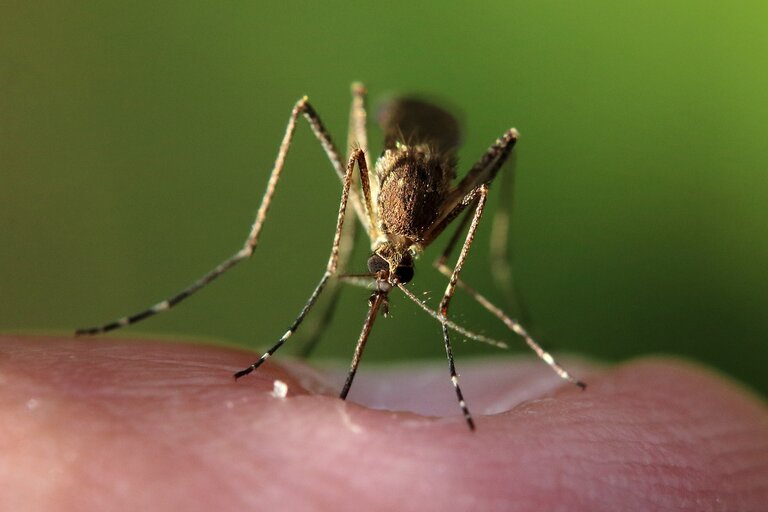
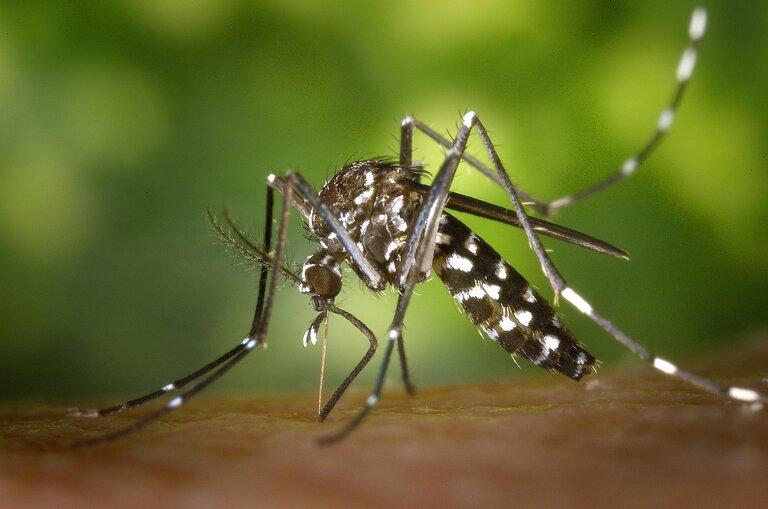
Image: Pixabay
Your Weekly Pest Control Churchill Manitoba Update: Cloudy and Chilly at -6.87°C
Welcome back to your weekly bug report, Churchill homeowners! As a seasoned expert with 15 years in pest control for Manitoba, I’m well-acquainted with our unique subarctic climate near Hudson Bay. This week, March 17th, 2026, we’re experiencing a chilly -6.87°C (20°F) with 65% humidity under cloudy skies. For those of you venturing out near Cape Merry hoping for a glimpse of early spring wildlife or the Northern Lights, you’ll be pleased to know our pest risk level is definitively LOW. This means that while internal pests are always a year-round consideration, the deep freeze outside keeps virtually all outdoor nuisances, like mosquitoes or black flies, safely dormant. Effective pest control Churchill Manitoba in these conditions focuses less on immediate outdoor threats and more on indoor prevention.
This Week’s Weather and What It Means for Bugs
This week’s measured temperature of -6.87°C (20°F) in Churchill signals deeply dormant conditions for the vast majority of local insect populations. At these sub-zero temperatures, metabolic processes in most arthropods slow drastically, forcing them into overwintering stages such as eggs, larvae, pupae, or quiescent adults in sheltered microhabitats. According to research from the University of Manitoba, insects in this region commonly employ supercooling or cryoprotective agents like glycerol to prevent ice formation in their tissues, allowing survival at temperatures well below freezing. The accompanying 65% humidity, while measured outdoors, is a moderate level that, in sheltered overwintering sites, can help mitigate desiccation risks for dormant insects, preserving their viability until spring thaw.
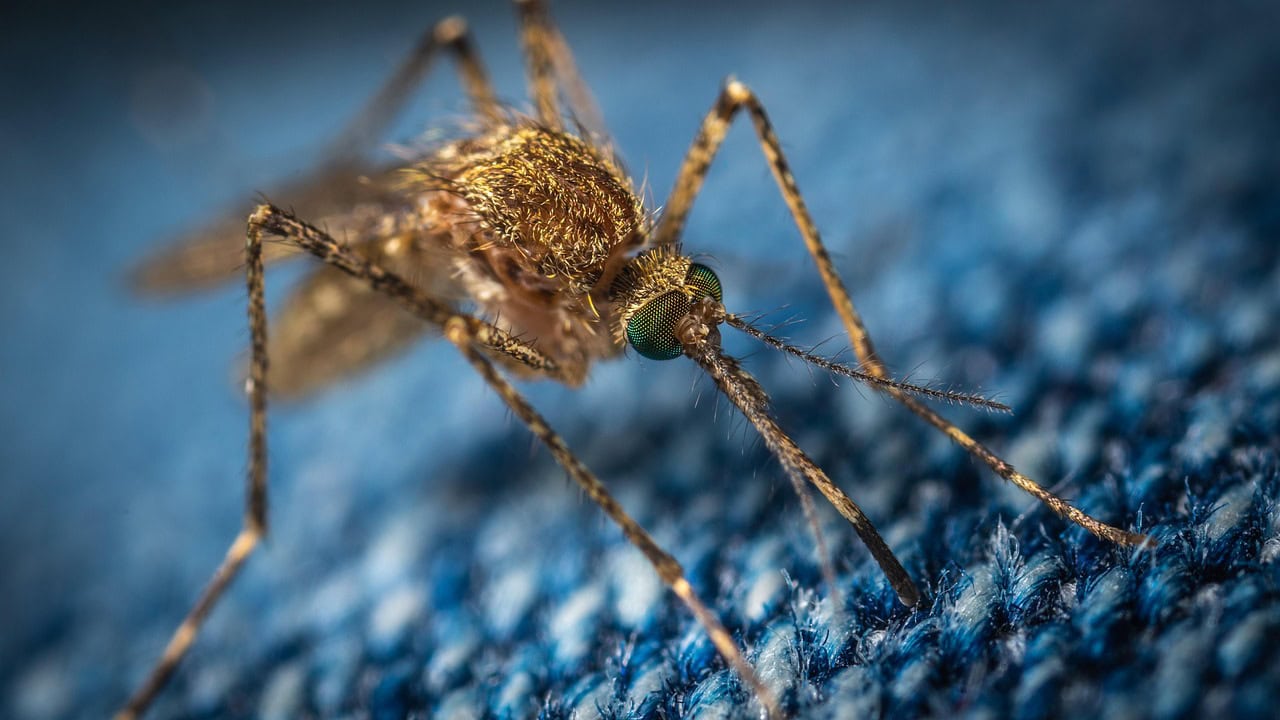
For specific pest species, these conditions dictate a complete cessation of active life cycles. For instance, Aedes mosquitoes, common throughout the Churchill area, are currently in their egg stage, overwintering in frozen floodplains and temporary pools. At -6.87°C, these eggs are in a state of diapause, a critical adaptation that prevents premature hatching and ensures synchronized emergence with spring melts, as noted by studies from the University of Alberta on arctic mosquito biology. Similarly, black flies (Simulium species), which are a significant nuisance in warmer months, exist primarily as larvae attached to submerged rocks in flowing water. While their larval stages can tolerate extremely cold water, the atmospheric temperature of -6.87°C completely suppresses any adult activity or emergence, with adults requiring significantly warmer conditions for flight and reproduction.
Another relevant species, the Spruce Budworm (Choristoneura fumiferana), a significant forest defoliator in northern boreal forests, overwinters as small larvae (second instars) within hibernacula constructed under bark scales or in crevices of host trees. At -6.87°C, these larvae are in a state of deep diapause, relying on their physiological cold hardiness to survive. Research published by the Canadian Forest Service indicates that such low temperatures are crucial for maintaining dormancy, with larvae exhibiting high levels of freeze tolerance or avoidance. Therefore, while these conditions halt immediate pest activity, they are essential for the long-term survival and successful re-emergence of these cold-adapted species when spring eventually arrives.
What to Do This Week in Churchill
Despite the low bug risk this week with temperatures hovering around -6.87°C (20°F), pests are still actively seeking warmth and shelter indoors. This is an opportune time to focus on preventative measures to keep your home pest-free. First and foremost, thoroughly inspect your home’s exterior for any potential entry points. Pay close attention to cracks in the foundation, gaps around window and door frames, and areas where utility lines (pipes, cables) enter your home. Sealing these gaps with appropriate caulk, weatherstripping, or steel wool (for larger holes against rodents) is crucial. In Churchill, where homes often battle extreme cold and wildlife pressure, ensuring these seals are robust is a cornerstone of effective pest control Churchill Manitoba, preventing rodents and overwintering insects like cluster flies and boxelder bugs from making their way inside.
Secondly, with 65% humidity and consistent clouds, it’s wise to check for any signs of excess moisture indoors. While outdoor conditions are dry and cold, condensation can still form in unventilated areas like attics, basements, or crawl spaces, especially as warm indoor air meets cold exterior surfaces. Look for damp spots, musty odors, or even small ice formations near vents or poorly insulated areas, as excess moisture can attract pests like silverfish, certain ants, and mold mites. Finally, continue to practice diligent food storage. Keep all pantry items in airtight containers and clean up food spills and crumbs promptly. This is a year-round best practice, but especially important during winter when rodents are most desperate for easy food sources, ensuring your home doesn’t become an inviting buffet for unwanted guests.
Frequently Asked Questions about Pest Activity in Churchill
What kind of pest activity can residents expect in Churchill during mid-March?
In mid-March, Churchill experiences very low insect activity due to cold temperatures. However, residents might encounter overwintering rodents like mice or voles seeking indoor warmth. Some dormant spiders or cluster flies might become briefly active on warmer days, but significant outdoor pest issues are unlikely at this time.
Are indoor pests a concern for homes in the Churchill Townsite during winter?
Yes, indoor pests remain a concern even in winter for homes in the Churchill Townsite. Rodents, such as mice, often seek shelter from extreme cold inside structures. Overwintering insects like boxelder bugs or lady beetles can also emerge indoors if temperatures fluctuate. Regular home sealing and monitoring are crucial.
What are the best preventative measures for pests in Churchill during the colder months?
During Churchill’s colder months, effective pest prevention involves sealing all entry points in your home’s foundation and around pipes. Store food in airtight containers and keep areas clean to deter rodents. Ensure proper attic ventilation to prevent moisture issues, which can attract certain insects. Regular inspections are also recommended.
If I discover pests in my home during winter, what should I do?
If you discover pests like rodents or overwintering insects in your Churchill home during winter, act promptly. Identify the pest if possible and assess the issue. For persistent or widespread problems, contacting a local service for pest control Churchill Manitoba is advisable. They can ensure effective and safe eradication methods suitable for our unique environment.
While not pests, how should Churchill residents manage wildlife, particularly polar bears, near their homes?
While polar bears are not pests, their presence requires unique management. Residents should secure all attractants like garbage and pet food in bear-proof containers. Report any bear sightings near dwellings immediately to the Polar Bear Alert Program. Never approach a bear; maintain distance and follow official safety guidelines for living in polar bear country.
Protect Your Home in Churchill, Manitoba
Don’t let local bug activity catch you off guard. Visit our local store to get expert advice and the right supplies for your specific location.