Bug Report: Moose Jaw, Saskatchewan – 2026-03-17
This Forecast is Out of Date. Please visit https://justbiteme.com/regional-bug-bite-forecast for an updated forecast

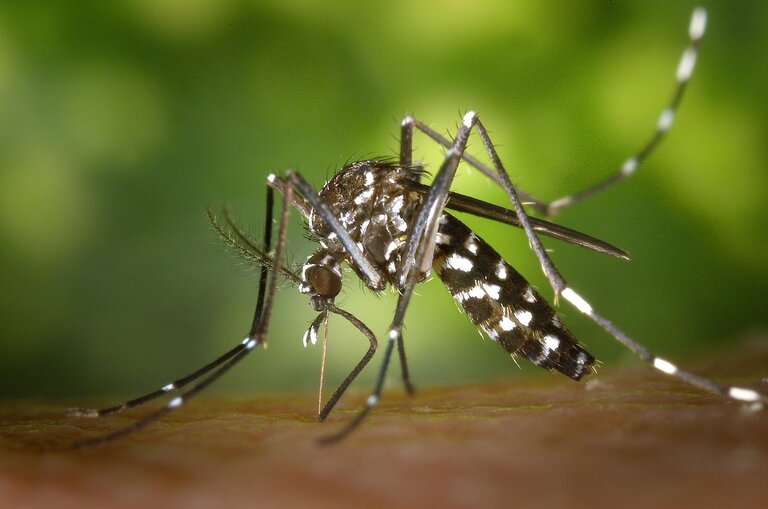
Image: Pixabay
Your Weekly Guide to Pest Control Moose Jaw Saskatchewan: Battling the Deep Freeze on March 17, 2026
Welcome to another frigid edition of our weekly bug report for Moose Jaw! As your local expert with 15 years of experience tackling pest control Moose Jaw Saskatchewan, I can tell you that this week, March 17, 2026, the prairies are truly living up to their reputation for extreme winter. With temperatures plummeting to a bone-chilling -26.84°C (-16°F) and humidity at a near-saturated 99% under cloudy skies, most of our usual outdoor pests are thankfully inactive. You’d be hard-pressed to spot a squirrel, let alone a bug, even around the usually bustling pathways of Wakamow Valley right now. This means our overall bug risk level for homeowners is exceptionally low, primarily shifting focus to the few hardy invaders seeking refuge indoors from this relentless prairie deep freeze.
This Week’s Weather and What It Means for Bugs
This week’s frigid temperature of -26.84°C (-16°F) in Moose Jaw, coupled with a near-saturated 99% humidity, profoundly impacts local pest biology, essentially bringing outdoor insect activity to a standstill. At these extreme lows, most arthropods cannot survive direct exposure, relying instead on sophisticated overwintering strategies. For instance, common nuisance pests like the Cluster Fly (Pollenia rudis) and Boxelder Bug (Boisea trivittata), which often seek shelter indoors during autumn, remain in a deep state of diapause or quiescence. According to research from the University of Manitoba, temperatures consistently below -15°C are critical for maintaining insect dormancy, preventing metabolic activity and ensuring the insects conserve energy until warmer conditions prevail. The 99% humidity, while not directly impacting internal physiological states during deep dormancy, ensures the surrounding environment remains moist, potentially reducing desiccation risks for insects tucked into sheltered, unheated voids, and contributing to the formation of insulating snow or frost layers.
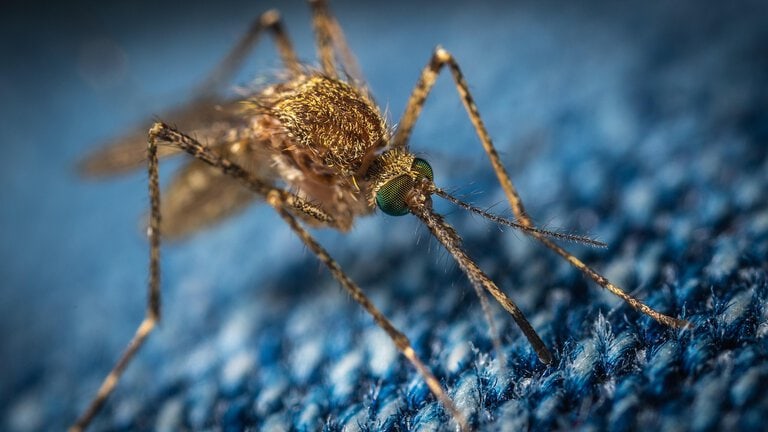
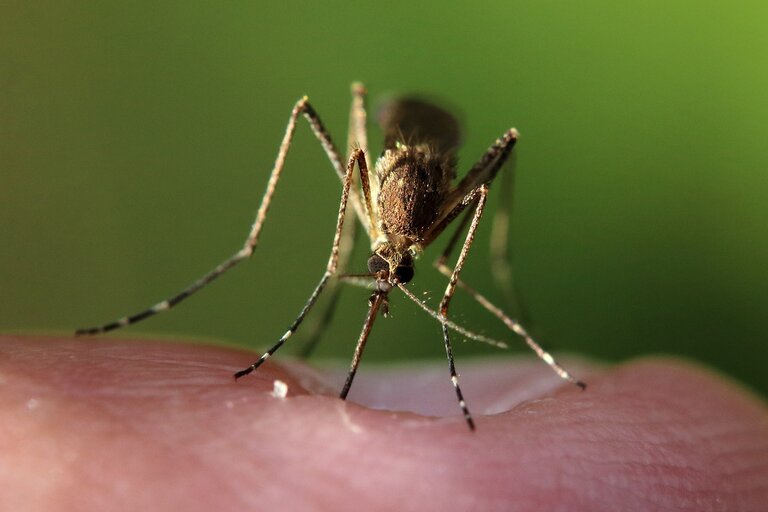
Similarly, the harsh cold dictates the survival strategies of other prominent pests. Mosquitoes, particularly Culex species common to Saskatchewan, overwinter as diapausing adult females in protected environments such as culverts, basements, or hollow trees. The reported -26.84°C ensures these adults remain dormant, with no possibility of activity or blood-feeding, as their metabolic processes are virtually halted. Research from the University of Saskatchewan indicates that prolonged exposure to sub-zero temperatures like these is crucial for the successful overwintering diapause of many northern insect species, minimizing energy expenditure and preventing premature emergence. Furthermore, ground-dwelling ants, such as the Pavement Ant (Tetramorium immigrans), retreat deep into their subterranean nests. The high 99% humidity in the soil environment, combined with the extreme cold, ensures that while the colony is in a state of torpor, the soil remains moist enough to prevent desiccation of brood or adults, which could otherwise be a risk even in cold, dry conditions, yet the freezing temperatures prevent any foraging or surface activity.
What to Do This Week in Moose Jaw
Well folks, it’s another true Moose Jaw winter week out there! With temperatures dipping to a bone-chilling -26.84°C (-16°F) and 99% humidity, the bug risk might be low, but the motivation for any critter to find warmth is at an all-time high. This is the perfect time to be proactive and ensure your cozy home isn’t an open invitation for unwanted guests. Here are a few key things to tackle this week:
First, **conduct a thorough draft check around your windows and doors**. Even a tiny gap letting in that frigid -16°F air is also a potential entryway for pests like mice or even overwintering insects that are desperately seeking refuge from the cold. Sealing these up not only keeps you warmer but keeps pests out. Second, **take a walk around your home’s foundation and inspect where utility lines (pipes, wires) enter**. Many homes here in Moose Jaw, particularly some of our beautiful older builds, can develop small cracks or unsealed gaps in these areas. Rodents are incredibly persistent in extreme cold like this, and these are prime spots for them to squeeze through, looking for warmth. Finally, with outdoor humidity at 99%, it’s wise to **monitor your indoor humidity levels**. While your furnace is working hard, localized condensation can still occur in cold spots. This moisture can attract pests like silverfish or even mould, which in turn can draw other insects. A little vigilance now can save you headaches later! For any persistent issues or if you suspect you already have an unwelcome visitor, remember that professional pest control Moose Jaw Saskatchewan is always here to help keep your home cozy and critter-free.
Frequently Asked Questions about Pest Activity in Moose Jaw
What common pests should Moose Jaw residents be aware of in mid-March 2026?
In mid-March, pest activity in Moose Jaw remains relatively low due to colder temperatures. Residents might occasionally spot overwintering pests like cluster flies, boxelder bugs, or ladybugs stirring indoors. Rodents, such as mice, could still be seeking warmth and food inside homes. Outdoor insect activity is minimal, but vigilance for early signs of indoor infestations is always wise.
Are homes near Moose Jaw’s Wakamow Valley more susceptible to specific pests in early spring?
Homes adjacent to natural areas like Wakamow Valley might see slightly increased potential for rodents or spiders seeking shelter from the lingering cold. While overall pest activity is low in early spring, these areas can offer attractive harborage. Ensure exterior entry points are sealed and check basements or crawl spaces. Regular inspections help mitigate potential issues.
When is the best time to consider professional pest control services in Moose Jaw?
Even with low pest risk in March, consider professional pest control Moose Jaw Saskatchewan if you notice recurring issues, multiple sightings, or signs of an established infestation. Early intervention prevents problems from escalating. If DIY methods aren’t effective, or you have concerns about specific pests like rodents or carpenter ants, contacting experts is advisable for peace of mind and effective solutions.
What are typical indoor pest concerns for Moose Jaw homeowners during the colder months?
During colder Moose Jaw months, common indoor pest concerns include house mice, which seek warmth and food indoors, and various spider species. You might also encounter occasional overwintering insects like cluster flies or lady beetles that emerge from hibernation within wall voids. While overall activity is reduced, vigilance for droppings, webs, or live sightings inside is important.
What proactive steps can Moose Jaw residents take to prevent pests this spring?
Moose Jaw residents can proactively prevent pests by sealing cracks and gaps in foundations and around windows/doors, ensuring proper ventilation to reduce moisture, and keeping basements and attics clutter-free. Store food in airtight containers and manage waste diligently. Regular home maintenance in early spring helps detect and address potential entry points before warmer weather increases pest activity.
Protect Your Home in Moose Jaw, Saskatchewan
Don’t let local bug activity catch you off guard. Visit our local store to get expert advice and the right supplies for your specific location.