Bug Report: Whycocomagh, Nova Scotia – 2026-03-17
This Forecast is Out of Date. Please visit https://justbiteme.com/regional-bug-bite-forecast for an updated forecast

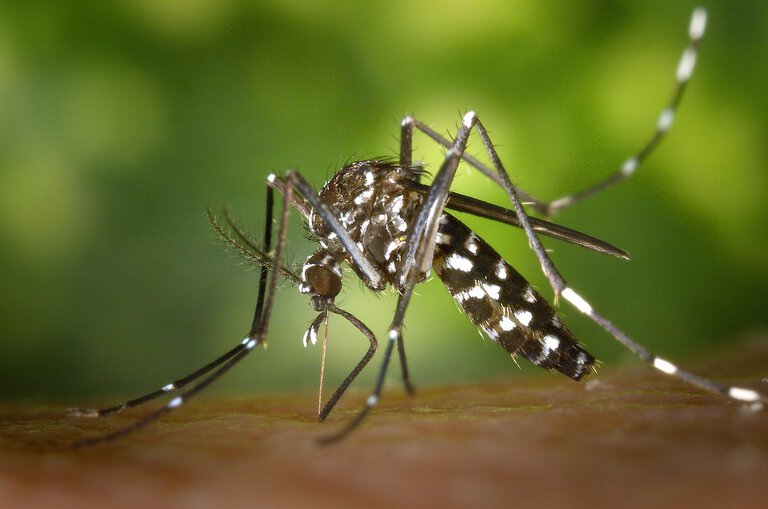
Image: Pixabay
Pest Control Whycocomagh Nova Scotia: Navigating March’s Chilly -8.46°C Days and Low Bug Risk
Welcome, Whycocomagh homeowners, to your weekly bug report. With temperatures hovering around -8.46°C and a brisk 78% humidity under cloudy skies, I’m happy to report a Low bug risk level this week. This means that while our beautiful Bras d’Or Lake might be a serene sight, most outdoor pests are in deep dormancy, giving you a quiet reprieve from immediate concerns. As your local expert in pest control Whycocomagh Nova Scotia, I want to assure you that this is an excellent time to focus on preventative measures rather than active infestations, a common strategy given our coastal Nova Scotian climate.
This Week’s Weather and What It Means for Bugs
This week in Whycocomagh, the dominant factor dictating insect activity is the frigid temperature of -8.46°C (17°F). At these well-below-freezing temperatures, the vast majority of insect species native to Nova Scotia enter a state of diapause—a dormant period characterized by arrested development and a significantly reduced metabolic rate—to survive the winter. According to entomological studies from the University of Guelph, sustained temperatures below freezing, such as our measured -8.46°C, typically lead to a complete cessation of outdoor feeding, reproduction, and flight for most cold-blooded arthropods. The accompanying 78% humidity, while not directly influencing outdoor insect activity at such low temperatures, can contribute to moisture accumulation in sheltered indoor environments or under snow cover, potentially impacting overwintering conditions for some species or fostering mold growth, which can be a secondary food source for certain indoor pests.
For specific pests, these conditions translate directly into a drive for shelter and survival. For instance, common overwintering pests such as **Cluster Flies** (Pollenia rudis) and the **Western Conifer Seed Bug** (Leptoglossus occidentalis) actively seek insulated spaces like attics, wall voids, and other structural crevices to escape the lethal outdoor -8.46°C. Research from the Nova Scotia Agricultural College (now part of Dalhousie University) indicates that these insects will aggregate on structures in autumn to absorb warmth before infiltrating buildings, specifically to avoid winter mortality at temperatures such as our current 17°F. While outdoor humidity of 78% at -8.46°C presents little direct threat to these dormant insects, persistently high indoor humidity, especially if exceeding 70% as outdoor conditions might suggest via condensation, can provide slightly more favorable microclimates within structures for their survival during prolonged dormancy. Similarly, **Psocids (Booklice)**, often indoor nuisance pests, are highly dependent on moisture. While not directly driven by the outdoor cold, the 78% outdoor humidity, if reflected indoors in damp areas (e.g., from condensation on cold walls due to the 17°F exterior), could encourage mold and mildew growth, providing a critical food source for psocids, whose populations can proliferate rapidly when indoor relative humidity exceeds 70%, aligning closely with our measured outdoor conditions.
What to Do This Week in Whycocomagh
Greetings from your local pest control experts in Whycocomagh! With temperatures still well below freezing at -8.46°C (17°F) and a fair bit of humidity (78%) under cloudy skies this week, pests are definitely looking for a warm, dry place to hunker down. This is the perfect time to reinforce your home’s defenses. First, take a moment to inspect around windows, doors, and utility entry points for any small cracks or gaps. Even a tiny opening is an invitation for rodents and overwintering insects like cluster flies or ladybugs seeking refuge from the cold. Sealing these up with caulk or weatherstripping will make a significant difference. Second, maintain a tidy home, especially your kitchen. With outdoor food sources scarce, indoor crumbs and unsealed pantry items become highly attractive to persistent pests.
Given our local environment and the current humidity, moisture control is extra important here in Whycocomagh. With 78% humidity, any existing indoor leaks or condensation issues can quickly worsen, creating ideal conditions for pests like silverfish, mould mites, or even carpenter ants if structural wood becomes damp. Pay particular attention to basements and crawl spaces, common features in many Whycocomagh homes, checking for damp spots or standing water. If you heat with wood, a common practice in our Nova Scotia community, ensure your woodpiles are stored away from your home and inspect any wood you bring indoors for signs of pests that have sought shelter in the cold timber. For comprehensive pest control Whycocomagh Nova Scotia, addressing these simple steps proactively can save you a lot of trouble down the line.
Frequently Asked Questions about Pest Activity in Whycocomagh
What are common pest concerns for Whycocomagh residents in early spring?
As temperatures rise in early spring, Whycocomagh homes may see overwintering pests like cluster flies or mice seeking new food sources. Carpenter ants can also become active. Sealing entry points and promptly addressing any sightings can prevent infestations. Regular outdoor inspections are recommended to catch issues early.
Are properties near the Bras d’Or Lake more susceptible to specific pests in Whycocomagh?
Yes, properties close to the Bras d’Or Lake in Whycocomagh can attract moisture-loving pests like carpenter ants, earwigs, and some types of spiders. Rodents may also seek shelter in lakeside structures. Proper drainage, sealing foundation cracks, and regular inspections are crucial to mitigate these unique lakeside pest challenges.
When should I consider professional pest control services in Whycocomagh?
If you notice recurring pest issues, signs of significant damage, or multiple pests indoors, it’s wise to contact professional pest control Whycocomagh Nova Scotia services. Professionals can accurately identify pests, locate nests, and implement effective, targeted treatments. Early intervention prevents infestations from becoming more severe and costly to resolve.
What should residents do about common household rodents in Whycocomagh?
Whycocomagh residents should prioritize prevention by sealing all cracks and holes in foundations and around utility lines. Store food in airtight containers and keep areas clean. If rodents are present, use traps safely. For persistent problems, especially with multiple sightings, professional rodent exclusion and removal services are highly effective.
Are carpenter ants a significant problem for homes in rural Whycocomagh?
Carpenter ants can be a concern for homes in rural Whycocomagh, particularly those surrounded by wooded areas or with moisture issues. They excavate tunnels in damp or decaying wood, potentially compromising structures. Watch for sawdust-like frass or foraging ants. Addressing moisture problems and regular inspections are vital for prevention.
Protect Your Home in Whycocomagh, Nova Scotia
Don’t let local bug activity catch you off guard. Visit our local store to get expert advice and the right supplies for your specific location.