Bug Report: Berwick, Nova Scotia – 2026-03-17
This Forecast is Out of Date. Please visit https://justbiteme.com/regional-bug-bite-forecast for an updated forecast

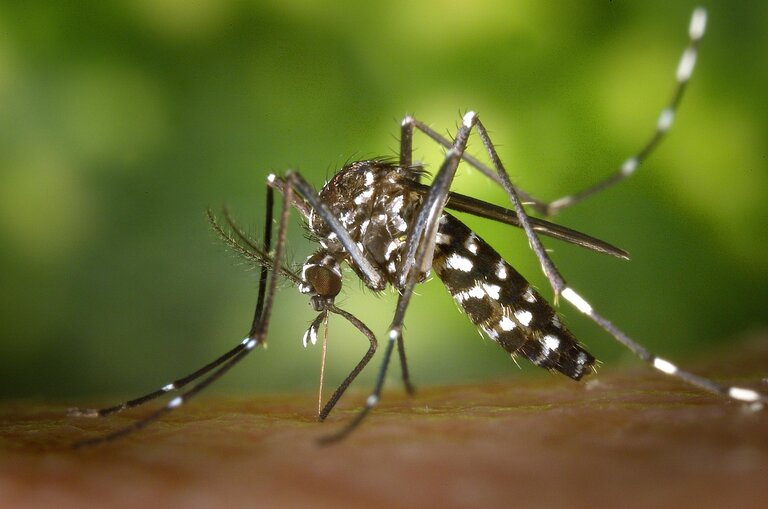
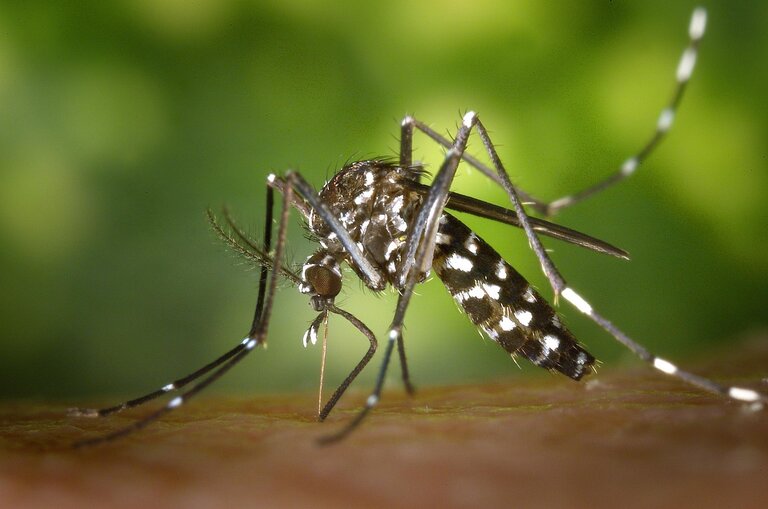
Image: Pixabay
Your Weekly Pest Control Berwick Nova Scotia Update: Staying Safe in the -6°C Clouds
Welcome back to your weekly bug report, Berwick! With temperatures hovering around -6.11°C (21°F) under cloudy skies this week, you might think pests are the last thing on your mind. However, maintaining effective pest control Berwick Nova Scotia is a year-round commitment, even when the ground is frozen. For homeowners across the Annapolis Valley, this low bug risk level means most outdoor insect activity has significantly slowed. Pests are largely dormant or seeking deep shelter, but it doesn’t mean they’ve disappeared entirely from our coastal Nova Scotia climate. This is a prime time for proactive measures, ensuring your home remains secure against overwintering invaders as we slowly inch towards spring.
This Week’s Weather and What It Means for Bugs
This week’s conditions in Berwick, Nova Scotia, with a temperature of -6.11°C (21°F) and 49% humidity under cloudy skies, signify a period of significant inactivity for most outdoor pest species. The sub-zero temperature is well below the physiological tolerance threshold for active development and movement in the vast majority of insects and arachnids. For instance, adult female Culex pipiens mosquitoes, which overwinter in sheltered locations, will remain in a state of diapause. According to research from the University of Guelph, temperatures consistently below 0°C (32°F) prevent any meaningful activity or development for these species, ensuring they remain dormant and inaccessible at -6.11°C. Similarly, blacklegged ticks (Ixodes scapularis), while capable of some activity above freezing, will be entirely inactive and seeking refuge from the cold at -6.11°C (21°F). Entomological studies from Dalhousie University indicate that questing activity for these ticks effectively ceases once temperatures drop significantly below freezing, making the current conditions prohibitive for tick encounters.
The 49% humidity, while moderate, plays a secondary role compared to the extreme cold for outdoor populations. However, for pests that have sought refuge indoors, the -6.11°C (21°F) external temperature is the primary driver for their continued presence within structures. For example, cluster flies (Pollenia rudis) are well-known overwintering pests that aggregate inside homes and buildings to escape freezing temperatures. At -6.11°C, their instinct to remain sheltered is reinforced, and any outdoor activity is impossible. Research from the Nova Scotia Agricultural College highlights that such cold temperatures are critical in keeping these flies in a quiescent state indoors, with their metabolic activity significantly reduced. The indoor humidity of 49% might contribute to their comfort or desiccation risk depending on specific microclimates within a building, but the overwhelming factor is the need to avoid the lethal outdoor cold.
What to Do This Week in Berwick
Brrr! With temperatures hovering around -6°C this week, local pests are desperately seeking warmth and shelter, making your cozy home their prime target. Now is a critical time to shore up your defenses. First, take a walk around your home’s exterior, paying close attention to any cracks or gaps around the foundation, utility lines, window frames, and door sweeps. Sealing these entry points with caulk or weatherstripping is your best bet against unwelcome guests like mice, rats, and overwintering insects (think cluster flies or ladybugs) who are all looking for a way in from the biting cold. Secondly, if you’re using a wood stove, be sure to inspect any firewood thoroughly before bringing it inside. Pests like spiders, ants, and even earwigs love to hitch a ride on logs, transforming your cozy fire into an unexpected pest delivery service!
Beyond the immediate entry points, this week is ideal for a quick check of less-frequented areas within your home. Head up to the attic and down into the basement or crawl space – common features in many Berwick homes – and look for signs of rodent activity such as droppings, gnaw marks, or nests. Addressing these early can prevent a small problem from becoming a big headache. Finally, ensure any snow or debris around your foundation is cleared back. While it might seem counterintuitive in the cold, piles of snow or leaf litter can provide insulated hiding spots and easy pathways for rodents and insects seeking refuge right up against your house. Taking these proactive steps now can save you trouble later, and if you do spot any persistent issues, remember that professional pest control Berwick Nova Scotia is always here to help keep your home pest-free and comfortable.
Frequently Asked Questions about Pest Activity in Berwick
What are the most common pest concerns for Berwick residents in March?
In March, Berwick residents might still encounter overwintering pests like rodents, cluster flies, or even dormant carpenter ants seeking shelter indoors. While outdoor insect activity is low, fluctuating temperatures can cause pests to emerge from hibernation. Focus on sealing entry points and monitoring for early signs of activity as spring approaches.
Are homes in Berwick Heights more susceptible to certain pests?
Homes in Berwick Heights, especially those closer to wooded areas or open fields, can be more prone to rodent issues as they seek warmth and food sources during colder months. Cluster flies and overwintering insects also tend to congregate in homes adjacent to natural habitats. Regular exterior inspections are crucial for prevention.
What preventative steps can Berwick homeowners take against pests before spring?
Berwick homeowners should seal cracks and gaps in foundations and around utility lines to prevent pest entry. Ensure proper attic and crawl space ventilation to reduce moisture, deterring pests like carpenter ants and silverfish. Regularly clear gutters and trim vegetation away from the house perimeter. These steps minimize early spring infestations.
When is the best time to consider pest control in Berwick Nova Scotia for seasonal prevention?
For seasonal prevention, the late winter to early spring period is ideal for proactive pest control in Berwick Nova Scotia. Addressing potential entry points and treating for overwintering pests before they become active can significantly reduce problems later in the year. Consult local experts to develop a tailored preventative plan for your property.
Are there any specific agricultural pests that affect Berwick properties this time of year?
Given Berwick’s agricultural surroundings, properties might experience early signs of field mice or voles seeking shelter indoors from nearby orchards or farms. However, major agricultural insect pests are typically dormant in March. Focus on securing sheds and outbuildings, and keeping exterior areas tidy to deter any early-season rodent foraging.
Protect Your Home in Berwick, Nova Scotia
Don’t let local bug activity catch you off guard. Visit our local store to get expert advice and the right supplies for your specific location.