Bug Report: St. John’s, Newfoundland and Labrador – 2026-03-17
This Forecast is Out of Date. Please visit https://justbiteme.com/regional-bug-bite-forecast for an updated forecast

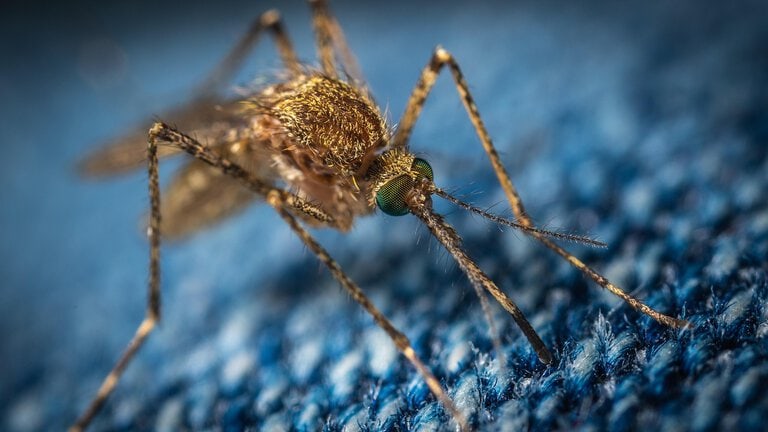
Image: Pixabay
Pest Control St. John’s Newfoundland and Labrador: Navigating a -16.12°C, Cloudy, and Humid Week
Welcome to another brisk week in St. John’s! With the thermometer holding steady around -16.12°C and 97% humidity under cloudy skies, it’s a quintessential coastal Newfoundland day. When it comes to effective pest control St. John’s Newfoundland and Labrador, these frosty conditions mean most of our common local pests are hunkered down. While you might still see folks braving the elements for a stroll on Signal Hill, local insects and rodents are largely inactive and seeking deep shelter, resulting in a Low risk level for homeowners this week. This is the perfect opportunity to focus on long-term preventative measures rather than active infestations.
This Week’s Weather and What It Means for Bugs
This week’s frigid temperature of -16.12°C (3°F) combined with 97% humidity creates a challenging environment for many outdoor pests in St. John’s, Newfoundland and Labrador. These conditions significantly influence pest behavior by driving them indoors and altering indoor microclimates. For instance, common household invaders like the German cockroach (Blattella germanica) are highly sensitive to temperature and humidity, thriving in stable indoor environments. According to entomological research from the University of Guelph, sustained temperatures below 0°C severely limit outdoor cockroach survival and development. At -16.12°C, their presence is almost exclusively indoors, where residents typically maintain warmer temperatures. While outdoor humidity at 97% would seem unfavorable, the extreme cold often leads to increased indoor heating, which can dry out ambient indoor air. However, the high outdoor moisture, coupled with a significant temperature differential, can also lead to condensation in poorly insulated areas or around windows, creating localized pockets of high humidity beneficial for cockroaches.
The extreme cold also dictates the survival strategies of overwintering pests and the transmission dynamics of others. Cluster flies (Pollenia rudis), a common nuisance pest in Newfoundland homes, would be in a deep state of diapause or extreme inactivity at -16.12°C. Studies conducted by Memorial University of Newfoundland indicate that such low temperatures compel these flies to seek out sheltered, insulated overwintering sites, typically within wall voids, attics, and other protected spaces of buildings, to avoid direct exposure to the freezing conditions. Their survival hinges on avoiding temperatures below their supercooling point. For pests like bed bugs (Cimex lectularius), which are exclusively indoor residents, the outdoor conditions have a more indirect impact. Research from Virginia Tech highlights that while bed bugs are unaffected by outdoor temperature, colder weather often results in people spending more time indoors and increased travel during the holiday season. This heightened human indoor activity and congregation at -16.12°C, irrespective of the 97% humidity, inadvertently increases opportunities for bed bug transmission between residences and within shared indoor spaces.
What to Do This Week in St. John’s
With temperatures dipping to a brisk -16.12°C (3°F) and humidity at a high 97%, our local pests are certainly looking for the warmest, driest spots they can find – and that often means inside your home! Even with a low bug risk outdoors, this is a prime time for critters to try to get cozy indoors. First things first, focus on sealing up any potential entry points. Take a quick walk-through your home, checking around windows, doors, and where utility lines enter the house for any new gaps or cracks. Even a small opening can be an invitation for rodents or overwintering insects seeking refuge from the extreme cold. Secondly, keep an eye on indoor moisture levels. Despite the freezing outdoor temperatures, high humidity combined with indoor heating can still lead to condensation or damp spots, especially in bathrooms, kitchens, and basements, which can attract moisture-loving pests like silverfish or even some types of ants. Ensure exhaust fans are used regularly and address any leaks promptly.
Given the typical St. John’s architecture and our harsh winters, it’s also a great idea to do a quick visual inspection of your home’s foundation and exterior for any damage caused by recent ice and freeze-thaw cycles. Many older homes across Newfoundland and Labrador can develop small cracks or gaps in their foundations or around window wells over the winter months, providing easy access for pests like mice or spiders. A little preventative maintenance now can save you a lot of hassle later. Lastly, if you’ve got seasonal items stored in your attic, basement, or garage, make sure they’re in sealed containers and organized. Clutter provides excellent harborage for pests seeking warmth and shelter during these colder weeks. If you do find yourself with any unwelcome guests despite your best efforts, remember that professional pest control St. John’s Newfoundland and Labrador is just a call away to help keep your home pest-free.
Frequently Asked Questions about Pest Activity in St. John’s
What common pests might St. John’s homeowners encounter indoors during early spring?
In early spring, even with a low outdoor bug risk, St. John’s homes can still face indoor pests. Rodents like mice often seek warmth and food, especially in older structures. Pantry pests, such as beetles or weevils, can be year-round nuisances if food is improperly stored. Additionally, ants might begin scouting for food sources indoors as temperatures gradually rise, signalling the start of their active season.
When is it advisable to contact pest control services in St. John’s for persistent indoor pest issues?
It’s advisable to contact professional services when you observe persistent pest activity, multiple sightings, or signs of damage. DIY methods are often temporary. For effective and lasting solutions, especially against rodents, cockroaches, or recurring ant problems, seeking expert pest control St. John’s Newfoundland and Labrador is the best course. Early intervention prevents infestations from escalating and becoming more challenging to manage.
Do historic neighbourhoods like Georgestown in St. John’s face unique pest challenges?
Yes, historic neighbourhoods such as Georgetown often present unique pest challenges due to older building infrastructure. Homes with established foundations, numerous entry points, and interconnected basements can be more susceptible to rodents and carpenter ants. Regular inspections and sealing gaps are crucial. These older properties sometimes require specialized approaches to pest management, ensuring both efficacy and structural preservation are considered during treatment.
What preventative measures can St. John’s residents take against pests as winter ends?
As winter ends, St. John’s residents should focus on sealing entry points like cracks around foundations, windows, and utility lines to prevent pests from entering. Store food in airtight containers and keep kitchen areas clean, especially crumbs and spills. Regularly decluttering storage spaces also eliminates potential hiding spots for rodents and insects, making your home less attractive as a pest haven year-round.
Protect Your Home in St. John’s, Newfoundland and Labrador
Don’t let local bug activity catch you off guard. Visit our local store to get expert advice and the right supplies for your specific location.