Bug Report: Hornepayne, Ontario – 2026-03-17
This Forecast is Out of Date. Please visit https://justbiteme.com/regional-bug-bite-forecast for an updated forecast

Image: Pixabay
Weekly Bug Report: Pest Control Hornepayne Ontario Amidst March’s Chilly, Cloudy Grip
Welcome, Hornepayne homeowners, to your weekly bug report. As March settles in with chilly -8°C temperatures and high humidity under cloudy skies, the focus for pest control Hornepayne Ontario remains squarely on indoor vigilance. While many of us are keeping warm, perhaps planning a visit to the Hornepayne Public Library or enjoying indoor activities, common pests like mice, cluster flies, and overwintering insects are also seeking refuge inside our homes from Northern Ontario’s characteristic cold climate. This week, we’re classifying the overall bug risk as Low, meaning outdoor pest activity is minimal due to the frigid conditions, but it’s crucial to remain attentive to any unwelcome guests sheltering indoors.
This Week’s Weather and What It Means for Bugs
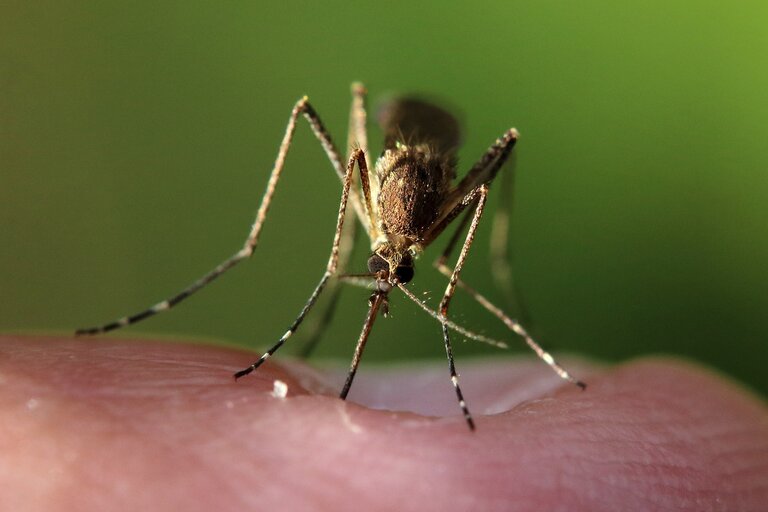
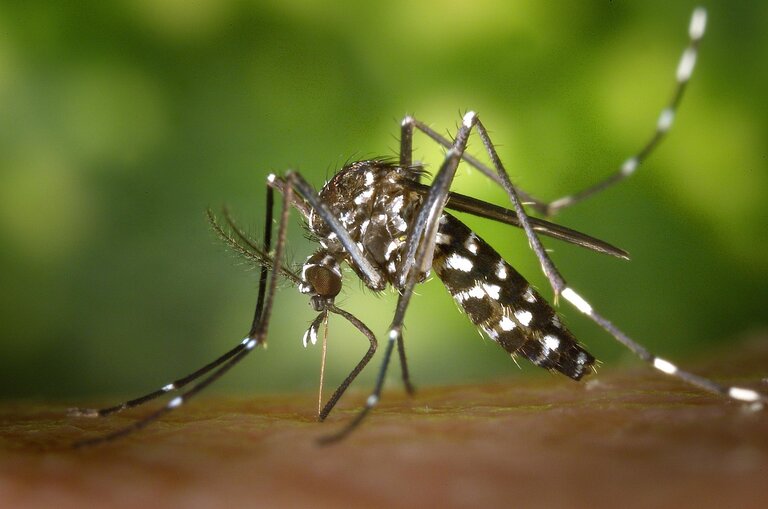
At -7.97°C (18°F), Hornepayne’s current conditions are well below freezing, which dramatically alters the behavior and biology of most outdoor insect pests. This extreme cold forces many species into a state of overwintering dormancy known as diapause, or significantly reduces their metabolic activity to conserve energy. The accompanying 77% humidity, while high, is secondary to the dominant effect of the freezing temperatures for outdoor-dwelling insects, though it can play a role in preventing desiccation in sheltered overwintering sites. For pests like the Western Conifer Seed Bug (Leptoglossus occidentalis) and the Common House Mosquito (Culex pipiens), these frigid conditions dictate a complete cessation of active outdoor life.
Specifically, the -7.97°C temperature means that adult Western Conifer Seed Bugs are no longer active outdoors, having already sought refuge in sheltered locations, often within homes and other structures, to escape the lethal cold. According to entomological studies from the University of Guelph, temperatures consistently below 0°C (32°F) induce diapause and drive these bugs indoors for survival, rendering outdoor populations entirely dormant or dead. Similarly, the Common House Mosquito, Culex pipiens, cannot survive or develop at -7.97°C. Research from the University of Manitoba indicates that adult female mosquitoes enter reproductive diapause in the fall and overwinter in protected, often subterranean, locations when temperatures drop below approximately 10°C (50°F), with lethal limits well above our measured 18°F. The 77% humidity in their overwintering refugia, such as storm drains or basements, could help prevent desiccation during their inactive period, as documented by studies from the University of Minnesota, though the primary driver for their current state is the intense cold.
While outdoor pest activity is largely halted, Hornepayne’s cold snap significantly influences indoor pest dynamics. Pests like the German Cockroach (Blattella germanica), which thrive in warm, humid environments, are not directly exposed to the -7.97°C outdoor temperature, but the need to maintain comfortable indoor temperatures above this threshold creates ideal conditions for them. Research from Purdue University highlights that indoor heating during winter often leads to drier indoor air, potentially stressing some indoor pests. However, an outdoor humidity of 77%, combined with cloud cover reducing solar heating, might subtly influence indoor humidity levels in less well-sealed or poorly ventilated structures, potentially maintaining more favorable moisture for cockroaches in wall voids or basements than if outdoor air were extremely dry. Regardless, the constant warmth provided by heating systems, driven by the need to combat the 18°F exterior, remains the most critical factor sustaining active German cockroach populations year-round within structures.
What to Do This Week in Hornepayne
Even with the crisp -7.97°C (18°F) temperatures and cloudy skies settling over Hornepayne this week, pests are still actively seeking warmth and shelter indoors. With 77% humidity in the air, any indoor moisture sources become even more attractive. First, focus on sealing up your home. Take a walk around your foundation, windows, and doors, looking for any cracks or gaps, no matter how small. Pay particular attention to utility entry points, like pipes and electrical lines, which can often have small openings that pests like mice, voles, and even cluster flies use to sneak inside from the cold. Sealing these entry points is crucial right now, as it directly prevents these creatures from escaping the frigid outdoor conditions and setting up shop in your cozy home.
Second, continue to be vigilant about moisture inside your home. Despite the cold, the outdoor humidity means any leaks in basements, crawl spaces, or around plumbing could quickly become breeding grounds for moisture-loving pests like silverfish, centipedes, and even carpenter ants. Repair any drips immediately and ensure good ventilation, especially in damper areas. For a tip specific to our Hornepayne environment, don’t forget to check your roofline and attic vents. With our heavy snowfalls, squirrels and other rodents often seek shelter in attics, and blocked vents from snow or nests can lead to moisture buildup or create new entry points when they inevitably try to get out. Addressing these common issues is a smart move for effective pest control Hornepayne Ontario residents can take to protect their homes year-round.
Frequently Asked Questions about Pest Activity in Hornepayne
What common pests should Hornepayne residents watch for in mid-March?
In mid-March, Hornepayne residents typically see low pest activity. However, overwintering pests like cluster flies, lady beetles, and spiders might become active indoors as temperatures slightly rise. Rodents, such as mice, may still be seeking warmth and food sources inside homes. Proactive checks for entry points are advisable.
Are rodents a common concern for Hornepayne homes, even with low bug risk?
Yes, rodents remain a concern year-round in Hornepayne, especially during colder months. Mice and voles often seek refuge in warm homes and outbuildings to escape the elements. Even with a low insect risk, proactive measures like sealing entry points and proper food storage are crucial to prevent rodent infestations.
Should Hornepayne homeowners be concerned about carpenter ants becoming active in early spring?
While major carpenter ant activity peaks in warmer months, early spring can see overwintering colonies within structures become active. Look for sawdust-like frass or foraging ants indoors. Addressing moisture issues and checking wood near foundations can help prevent infestations. Early detection is key for effective management.
What pest challenges are common in Hornepayne’s residential areas near the forest edge?
Homes in Hornepayne’s residential areas near the forest edge often face increased pressure from rodents, spiders, and occasional wildlife intrusions. Proximity to natural habitats means more opportunities for pests to seek shelter indoors. For persistent issues or proactive prevention strategies, professional pest control Hornepayne Ontario services can provide tailored solutions to protect your home.
What simple steps can Hornepayne residents take to prevent pests in their homes during early spring?
Residents can prevent pests by sealing cracks and gaps in foundations, around windows, and doors. Store food in airtight containers and keep outdoor areas tidy, clearing debris. Ensure proper drainage to reduce moisture, which attracts many pests. Regular inspections help catch potential issues early before they escalate.
Protect Your Home in Hornepayne, Ontario
Don’t let local bug activity catch you off guard. Visit our local store to get expert advice and the right supplies for your specific location.