Bug Report: Gore Bay, Ontario – 2026-03-17
This Forecast is Out of Date. Please visit https://justbiteme.com/regional-bug-bite-forecast for an updated forecast

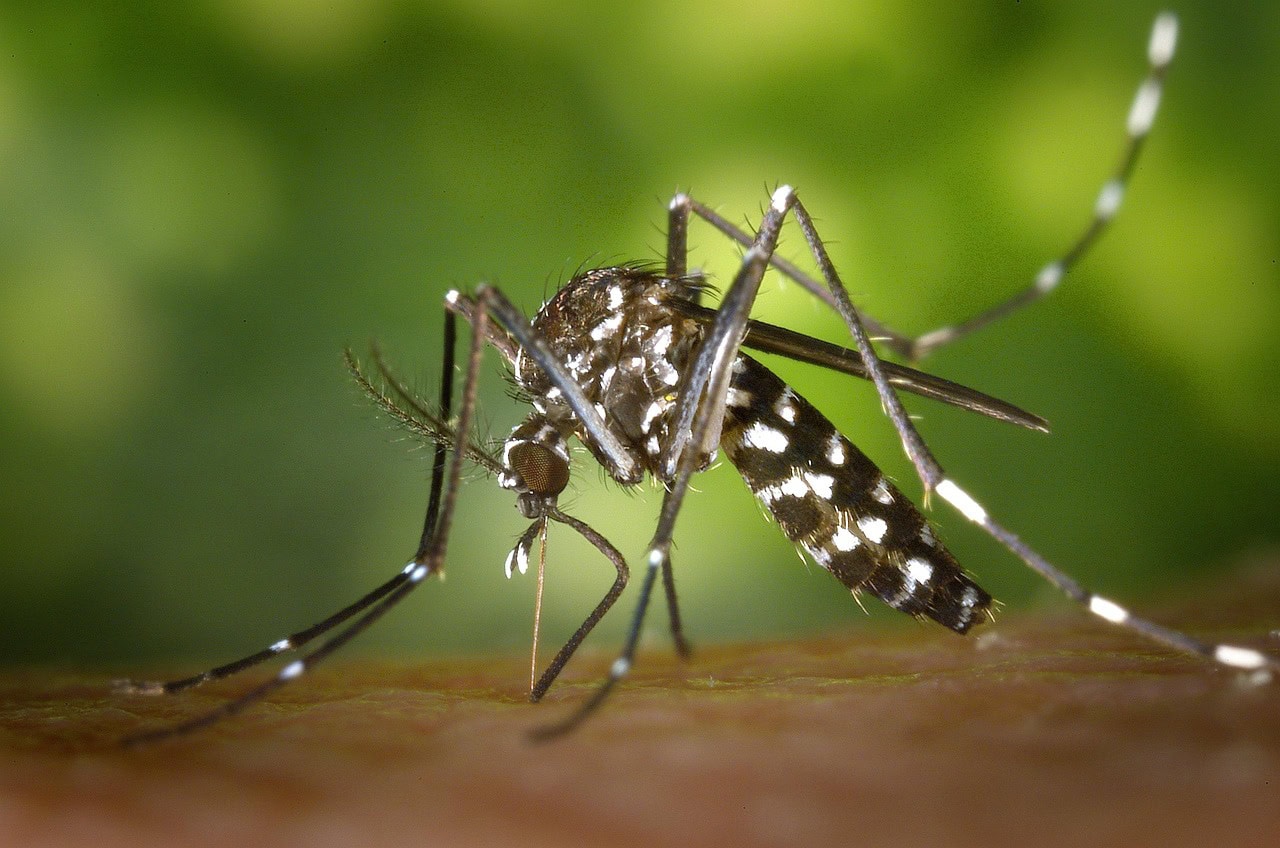
Image: Pixabay
Pest Control Gore Bay Ontario: What the -11°C Clouds Mean for Your Home This Week
Welcome back to your weekly Gore Bay bug report! With temperatures hovering around -11.64°C and a blanket of clouds overhead this week, many of us are still enjoying the quiet of winter. For effective pest control Gore Bay Ontario, understanding these conditions is key. While the freezing temperatures keep outdoor insect activity to a minimum, meaning you won’t be swatting at anything while enjoying the view near the Gore Bay Harbour, it’s still a good time to ensure your home is sealed against opportunistic indoor pests. Our region’s classic cold, continental winter means the overall bug risk level is Low, indicating minimal immediate outdoor threats, but emphasizing that proactive indoor checks remain valuable for maintaining a pest-free environment.
This Week’s Weather and What It Means for Bugs
The frigid temperature of -11.64°C (11°F) in Gore Bay this week presents a significant biological challenge for most insect and arachnid pests. As ectotherms, their internal body temperature is largely dictated by their environment. At such severe lows, active metabolic processes slow dramatically, leading to a state of torpor, diapause (a form of arrested development), or outright mortality for many species that lack adequate cold hardiness or shelter. The 80% humidity, while high, is less impactful on active pest biology at this extreme temperature, as the primary concern for most is avoiding freezing. However, for overwintering stages, this humidity can be a minor factor in preventing desiccation if temperatures were to fluctuate near freezing, but the current deep freeze dominates.
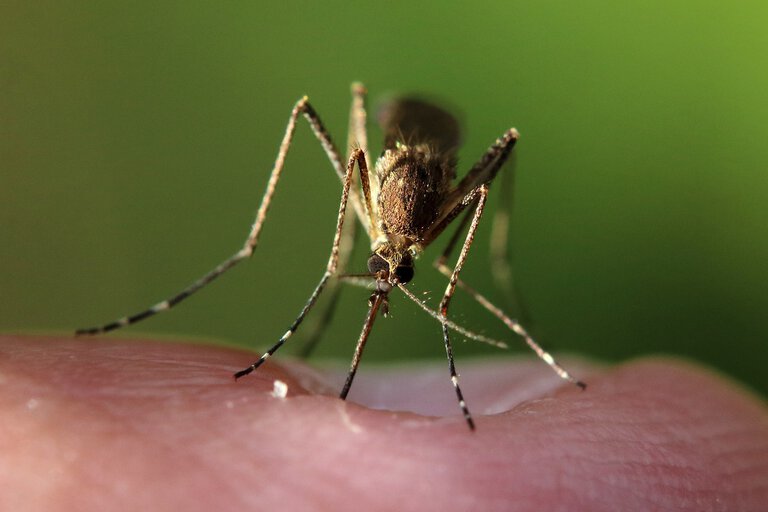
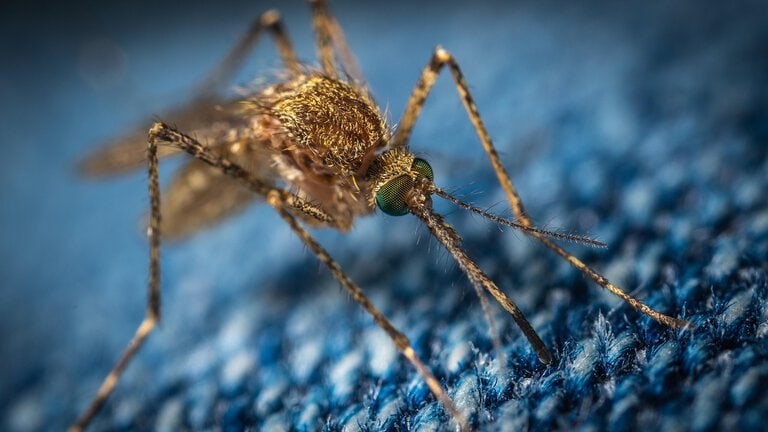
For common Gore Bay pests like the **Northern House Mosquito** (Culex pipiens), adults typically enter a state of diapause, overwintering in sheltered, cool locations such as basements, culverts, or hollow logs. According to research from the University of Manitoba, sustained temperatures of -11.64°C would eliminate any exposed adults and keep even sheltered individuals in deep dormancy, preventing any flight or feeding activity. Similarly, **Blacklegged Ticks** (Ixodes scapularis), while known to be active above 0°C, would be completely inactive and seeking deep refuge within leaf litter or under snowpack at 11°F. The 80% humidity can contribute to the microclimate stability within these refugia, helping to prevent desiccation during warmer periods, but at -11.64°C, their survival is contingent on avoiding freezing and direct exposure, not active foraging.
Another relevant pest, the **Eastern Carpenter Ant** (Camponotus pennsylvanicus), typically overwinters within its galleries in wood structures. At -11.64°C, these colonies enter a state of hibernation, reducing their metabolic rate significantly to conserve energy. According to entomological studies from various Canadian universities, while carpenter ants possess some freeze tolerance, prolonged exposure to temperatures this low would be lethal without the insulating protection of their nests. The 80% humidity in the ambient air would not directly affect their activity within their insulated wood galleries, but it underscores the general damp conditions often associated with locations where wood-damaging pests thrive, though their immediate concern at this temperature is survival through dormancy.
What to Do This Week in Gore Bay
Hello Gore Bay homeowners! With temperatures dipping to a chilly -11.64°C and high humidity this week, most outdoor pests are seeking refuge from the cold. This low bug risk period is the perfect time for proactive prevention, ensuring your home remains a pest-free sanctuary. First, take a moment to inspect the exterior of your home for any small cracks or gaps around window frames, door sweeps, and where utilities enter your house. Even tiny openings can be an invitation for resourceful rodents or overwintering insects like cluster flies and spiders looking for warmth. Pay particular attention to your foundation, which, especially in some of Gore Bay’s older homes with their charming stone or block work, can develop small fissures from freeze-thaw cycles. Sealing these entry points now is a crucial step to keep pests out of your warm interior.
Next, head indoors for a quick check of your basement, attic, and crawl spaces. Despite the freezing temperatures outside, 80% humidity can still contribute to condensation and moisture issues in poorly ventilated areas, creating an attractive environment for moisture-loving pests like silverfish or centipedes. Look for any signs of dampness, water stains, or unusual activity. Finally, don’t forget to glance through any outdoor storage sheds or detached garages. Pests often overwinter in stored items, and tidying up clutter now can reduce potential harborage sites before spring. Taking these preventative steps seriously now will save you headaches later. For comprehensive assistance with pest control Gore Bay Ontario, remember your local experts are always here to help keep your home secure.
Frequently Asked Questions about Pest Activity in Gore Bay
What common pests might residents encounter in Gore Bay during mid-March?
Mid-March in Gore Bay typically sees overwintering pests emerging as temperatures rise. Residents might notice mice or voles seeking food sources, cluster flies becoming active indoors, and occasional spiders. While outdoor insect activity is still low, rodents and some indoor pests are the primary concern before the full spring thaw. Monitoring for these signs is recommended.
Are there specific challenges for pest control in Gore Bay due to its lakeside location?
Gore Bay’s proximity to Lake Huron can attract moisture-loving pests like earwigs and silverfish, especially in properties with damp basements. In warmer months, mosquitoes and biting flies also become prevalent near the waterfront. Effective pest control Gore Bay Ontario often involves managing moisture levels and securing entry points to prevent these environmental invaders.
What pest issues are common for homes located near the Gore Bay Harbour?
Homes near the Gore Bay Harbour often face unique pest challenges from increased foot traffic and water proximity. Rodents, like mice and rats, are attracted to food sources and refuse. Spiders and cluster flies might also seek shelter. Regular waste management and sealing exterior gaps are crucial for preventing infestations in these waterfront properties.
What proactive steps can Gore Bay residents take to prevent pests in early spring?
In early spring, Gore Bay residents should focus on sealing entry points like cracks in foundations, gaps around pipes, and torn window screens. Cleaning gutters and ensuring proper drainage helps reduce moisture, deterring many insects. Storing food in airtight containers and tidying outdoor areas also removes potential attractants, minimizing the likelihood of indoor pest problems as temperatures rise.
Protect Your Home in Gore Bay, Ontario
Don’t let local bug activity catch you off guard. Visit our local store to get expert advice and the right supplies for your specific location.