Bug Report: Toronto, Ontario – 2026-03-17
This Forecast is Out of Date. Please visit https://justbiteme.com/regional-bug-bite-forecast for an updated forecast

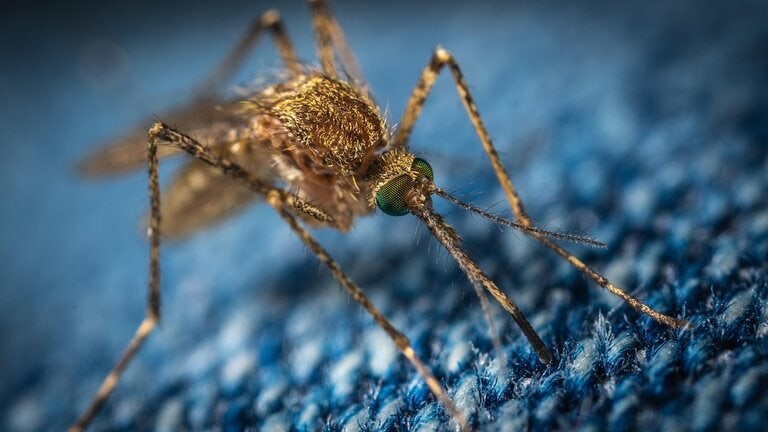
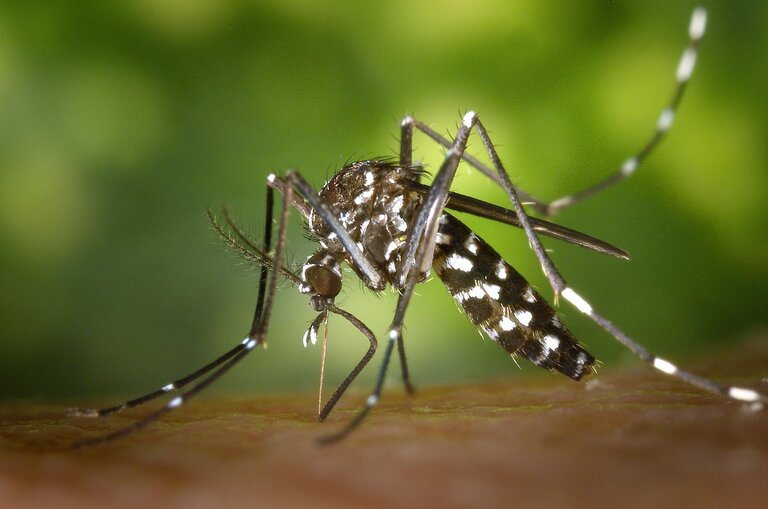
Image: Pixabay
Pest Control Toronto Ontario: A Look at This Week’s Frigid Conditions (March 17, 2026)
Welcome back, Toronto homeowners! As your local pest control expert with 15 years in Ontario, I’m here to provide your weekly update. This week, March 17, 2026, we’re still deep in winter’s grip with temperatures plummeting to -8.7°C and a damp 97% humidity under cloudy skies. While many of us are bundled up, perhaps venturing out for a quick coffee near St. Lawrence Market or commuting via the TTC, the good news for pest control Toronto Ontario is that the outdoor bug risk remains low.
For homeowners across Toronto, from The Beaches to Etobicoke, a low risk means that most outdoor pests are in hibernation or seeking deep shelter, safely tucked away from these harsh conditions. This is typical for our humid continental climate, where severe cold keeps most insect activity at bay.
This Week’s Weather and What It Means for Bugs
This week’s conditions in Toronto, with temperatures plunging to -8.7°C (16°F) and humidity soaring to 97% under cloudy skies, create a significant challenge for most outdoor pest activity. The consistently sub-zero temperature is the primary factor driving most ectothermic (cold-blooded) pests into dormancy or prompting endothermic (warm-blooded) pests to seek shelter indoors. For insects, this temperature range ensures that metabolic processes are severely suppressed, preventing any active foraging, reproduction, or flight. The high humidity, while less impactful than the extreme cold for outdoor pests, becomes a critical factor for species that have successfully found sheltered overwintering sites, helping prevent desiccation in their dormant state.
Several key pest species in Toronto exhibit specific biological responses to these exact conditions. For the house mouse (Mus musculus), the -8.7°C temperature creates immense physiological stress, driving them aggressively indoors in search of warmth and resources. According to research from Purdue University, consistent temperatures below 0°C significantly heighten the need for rodents like the house mouse to seek secure, warm indoor environments for survival and resource acquisition. Similarly, overwintering nuisance insects such as the multicolored Asian lady beetle (Harmonia axyridis) are firmly in diapause. Entomological studies from the University of Guelph indicate that insects such as Harmonia axyridis enter a state of diapause, or overwintering dormancy, when outdoor temperatures, like our measured -8.7°C, persist below freezing. This state prevents active foraging or reproduction, and the 97% humidity, while not directly impacting their dormancy, would contribute to a moisture-rich microclimate in their sheltered overwintering sites, potentially mitigating desiccation risks. Lastly, the common house mosquito (Culex pipiens) is also in a deep hibernal diapause. Research from the University of California, Davis, confirms that mosquito species like Culex pipiens enter hibernal diapause when temperatures consistently fall below 10°C. Our observed -8.7°C ensures these mosquitoes remain inactive, typically sheltered in cool, damp locations where the 97% humidity is crucial for preventing desiccation during their long dormant period.
What to Do This Week in Toronto
Even with the chilly -8.7°C (16°F) temperatures and our bug risk level being low this week, pests are still out there, mostly looking for a cozy, warm place to call home – and that often means yours! Now is the perfect time to be proactive. First, take a walk around your home’s exterior and interior to identify any potential entry points. Pay close attention to gaps around window and door frames, utility line entry points, and any visible cracks in your foundation, especially common in Toronto’s charming older brick homes. Sealing these small openings with caulk or weatherstripping will prevent mice, spiders, and other overwintering insects from finding their way inside to escape the cold. Remember, a tiny gap for us is a grand entrance for a determined pest!
Secondly, given our 97% humidity this week, even though it’s cold, moisture management is crucial. Check your basement, crawl spaces, and under-sink areas for any signs of dampness or condensation. Pests like silverfish and some types of beetles thrive in humid environments, and addressing these moisture sources now can prevent bigger issues later. Ensure your eavestroughs are clear of debris so that when the inevitable thaw arrives, water drains away from your foundation rather than pooling. Taking these preventative steps is a smart move for any homeowner, and for effective and friendly pest control Toronto Ontario residents trust, thinking ahead is always the best defence against unwanted guests.
Frequently Asked Questions about Pest Activity in Toronto
What are common pests Toronto residents might encounter in mid-March?
In mid-March, Toronto residents typically encounter indoor pests like mice, rats, and cockroaches seeking warmth and food. While outdoor activity is low due to lingering cold, these resilient pests can thrive indoors. Maintaining cleanliness and sealing entry points are crucial for prevention during this time, even with low overall bug risk.
Are there particular pest concerns for homeowners in The Annex this time of year?
Homeowners in The Annex, with its mature trees and older housing stock, might face specific concerns like rodent intrusion or early signs of carpenter ants in damp wood. Proactive inspections of foundations and basements are wise. Addressing moisture issues promptly can significantly mitigate risks in this historic Toronto neighborhood.
Given the low bug risk in Toronto this week, what should residents still be aware of?
Even with a low overall bug risk in Toronto this week, residents should remain vigilant for indoor pest activity. Look for droppings, gnaw marks, or unusual odors. Early detection of issues like mice or cockroaches prevents larger infestations. Regular home maintenance and sealing gaps are key preventative measures to keep your home pest-free.
When should I consider professional pest control in Toronto, Ontario?
You should consider professional pest control Toronto Ontario services if you notice persistent pest activity, signs of an infestation, or if DIY methods are ineffective. This includes recurring rodent issues, cockroach sightings, or evidence of bed bugs. Professionals can accurately identify the pest, assess the extent of the problem, and implement targeted, effective solutions for your home.
What simple steps can Toronto residents take to prevent pests in early spring?
To prevent pests in early spring, Toronto residents should seal cracks and gaps in foundations and around pipes. Store food in airtight containers, keep outdoor bins secure, and trim vegetation away from the house. Regularly decluttering basements and attics also removes potential hiding spots, making your home less attractive to unwelcome visitors.
Protect Your Home in Toronto, Ontario
Don’t let local bug activity catch you off guard. Visit our local store to get expert advice and the right supplies for your specific location.