Bug Report: Windsor, Ontario – 2026-03-17
This Forecast is Out of Date. Please visit https://justbiteme.com/regional-bug-bite-forecast for an updated forecast

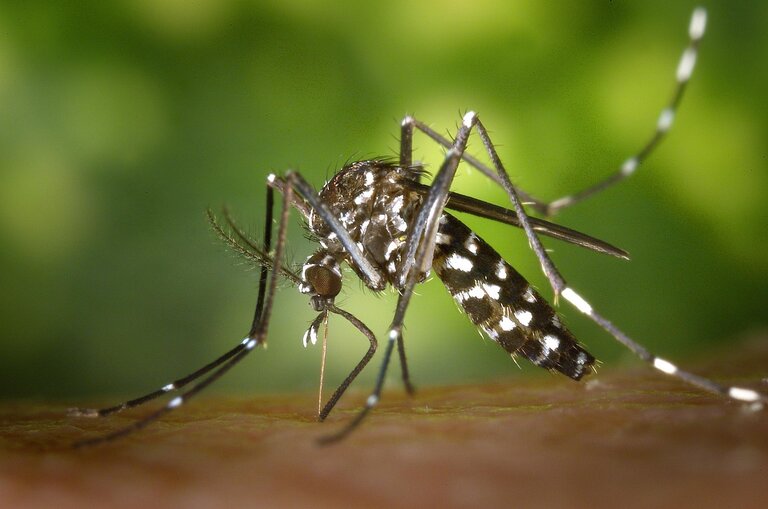
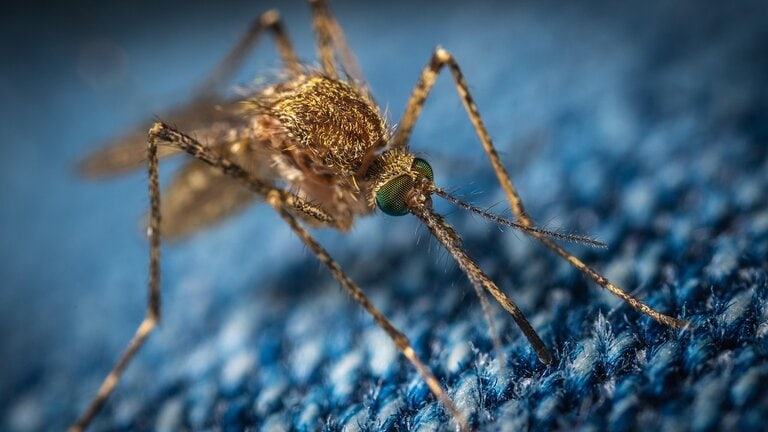
Image: Pixabay
Pest Control Windsor Ontario: Your Weekly Bug Report for March 17, 2026 – Cloudy and Chilly
Welcome back to your weekly bug report, brought to you by your trusted expert in pest control Windsor Ontario. With temperatures hovering right at freezing (-0.12°C) and a thick cloud cover, our region’s humid continental climate is ensuring most pests remain inactive. The low temperatures mean that even areas like the Riverside Drive promenade, which will soon be bustling, are currently too cold for significant insect or rodent activity. This week, we’re pleased to report a Low risk level for homeowners, indicating minimal immediate pest concerns.
This Week’s Weather and What It Means for Bugs
This past week, Windsor experienced biting cold with temperatures dipping to -0.12°C (32°F), a critical threshold for many ectothermic pests. At this temperature, the metabolic activity of most insects slows dramatically, and outdoor species enter a state of diapause or seek sheltered overwintering sites to avoid lethal freezing. For species like the Brown Marmorated Stink Bug (Halyomorpha halys) and Cluster Flies (Pollenia rudis), which are prevalent in the Windsor region, these freezing or near-freezing conditions are a primary driver for seeking refuge indoors within wall voids, attics, or basements. According to research from the University of Guelph, sustained temperatures near or below freezing significantly increase the overwintering success of these pest populations within insulated structures, as they are protected from the extreme elements. The cloudy conditions further contribute to this by preventing solar warming of exposed areas, reinforcing the drive for pests to find internal warmth.
Coupled with the cold, this week’s 95% humidity profoundly impacts pest biology, particularly for those already established indoors. While outdoor insects are less active, this high moisture content can be crucial for survival within sheltered microclimates. For example, the German Cockroach (Blattella germanica), a common indoor pest, thrives in high humidity environments. Research from Purdue University indicates that German cockroaches prefer relative humidities above 90% for optimal development and reproduction, meaning that this week’s conditions, if mirrored indoors due to poor ventilation or moisture issues, could be highly conducive to their populations. For overwintering insects such as the aforementioned stink bugs and cluster flies, high humidity in their sheltered indoor locations helps prevent desiccation during their dormant period, increasing their likelihood of survival until spring.
In summary, the specific combination of -0.12°C (32°F) and 95% humidity creates a dual challenge for Windsor residents. The near-freezing temperatures push cold-sensitive outdoor pests like stink bugs and cluster flies indoors, where they will remain dormant but present. Simultaneously, if indoor conditions reflect the high ambient humidity, it can create a favorable environment for moisture-loving pests such as German cockroaches, potentially boosting their activity and population growth within structures. Understanding these specific biological responses to current weather patterns is crucial for effective year-round pest management.
What to Do This Week in Windsor
Well folks, it’s a chilly, damp week here in Windsor with temperatures right around freezing and the humidity way up at 95%. While the overall bug risk is low, don’t let your guard down! Pests like mice, rats, and overwintering insects are still actively seeking warmth and shelter from these conditions. This week, we highly recommend homeowners take a walk around their exterior and meticulously check for any cracks or gaps, especially around window frames, utility entry points, and your foundation. Many beautiful older homes here in Windsor, with their unique brickwork and mature character, can develop small openings over time that become superhighways for critters looking to escape the cold.
Beyond sealing, focus on moisture control indoors. With such high humidity, basements and crawl spaces, particularly in our area’s older homes, are susceptible to dampness. Ensure any leaks are addressed and consider using a dehumidifier if you notice excessive moisture, as this helps deter silverfish, centipedes, and even mold, which can attract other pests. Lastly, make sure your gutters and downspouts are clear of any debris. Clogged gutters can lead to water pooling around your foundation, creating ideal damp conditions for pests when things thaw. Taking these proactive steps is essential for effective pest control Windsor Ontario, ensuring your home remains pest-free even in these transitional weather conditions.
Frequently Asked Questions about Pest Activity in Windsor
What common pests are residents in Windsor, Ontario, seeing in mid-March?
In mid-March, with low bug risk, Windsor residents might still encounter overwintering pests like cluster flies or occasional mice seeking warmth. As temperatures slowly rise, ants could begin foraging indoors. Early detection and exclusion are key for effective prevention before spring activity fully begins.
Are there particular pest concerns for homes in the South Windsor area this time of year?
Homes in South Windsor, especially those near green spaces or the Ojibway Prairie Complex, might experience early spring rodent activity or occasional spiders. With low general bug risk in mid-March, indoor pests like pantry moths could also be a subtle issue. Regular inspections help identify these concerns.
When is the best time to consider professional pest control in Windsor, Ontario, for proactive measures?
Proactive pest control in Windsor, Ontario, is often most effective in early spring or late fall to prevent infestations. Even with low bug risk in mid-March, it’s an ideal time to seal entry points and inspect for overwintering pests, minimizing future problems as warmer weather increases pest activity.
What should Windsor homeowners do to prevent pests as spring approaches?
As spring approaches in Windsor, homeowners should seal cracks in foundations and around windows, clear gutters, and trim shrubs away from the house. Store food in airtight containers and keep basements dry. These steps deter common pests like ants, spiders, and rodents seeking entry or harborage.
Are bed bugs a concern for Windsor residents, even with low general bug risk?
Bed bugs are a year-round concern, independent of seasonal bug risk. They are primarily introduced through travel or second-hand items, not outdoor conditions. Windsor residents should inspect mattresses, furniture, and luggage regularly. Early detection is crucial for successful eradication and preventing their spread.
Protect Your Home in Windsor, Ontario
Don’t let local bug activity catch you off guard. Visit our local store to get expert advice and the right supplies for your specific location.