Bug Report: London, Ontario – 2026-03-17
This Forecast is Out of Date. Please visit https://justbiteme.com/regional-bug-bite-forecast for an updated forecast

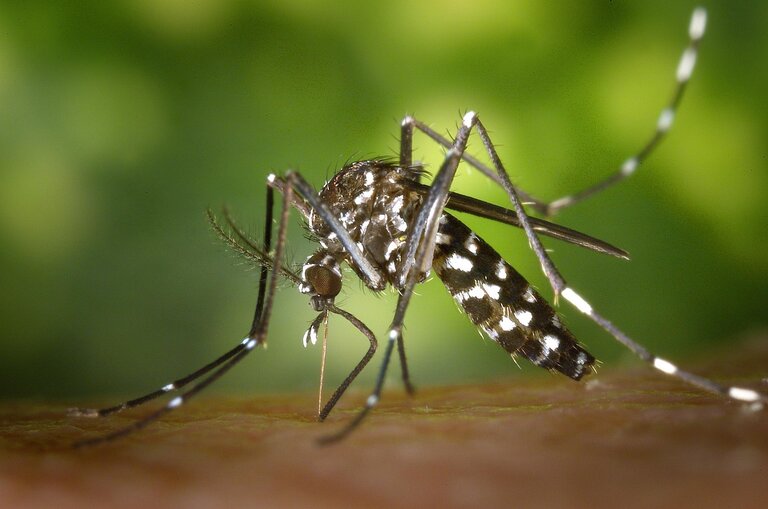
Image: Pixabay
Pest Control London Ontario: Your Weekly Update Amidst Cloudy 1.69°C Days
Welcome back, London homeowners! As we step into the week of March 17th, 2026, with the thermometer hovering around 1.69°C and a very humid 98% under cloudy skies, our weekly pest risk level remains thankfully low. For those enjoying a brisk walk through Victoria Park, you might notice the quiet before spring’s rush. This low risk doesn’t mean pests have vanished entirely; rather, most are hunkering down. However, it’s still a prime time to think proactively about pest control London Ontario. Given our region’s humid continental climate, these damp, cool conditions are perfect for some overwintering pests to remain hidden, just waiting for the first sustained warmth.
This Week’s Weather and What It Means for Bugs
London, Ontario experienced conditions this week hovering just above freezing, with temperatures at 1.69°C (35°F) and an extremely high humidity of 98%, all under cloudy skies. These specific metrics paint a clear picture for pest activity: outdoor insect life is largely in a state of dormancy or diapause, seeking sheltered locations to survive the cold. The high humidity, while beneficial for preventing desiccation in any organisms that might be exposed, primarily contributes to dampness, which can have significant implications for pest populations if they find slightly warmer microclimates.
For a common pest like the House Mouse (Mus musculus), the sustained temperature of 1.69°C (35°F) is a critical driver for seeking indoor refuge. According to research from the University of Guelph on urban wildlife, temperatures consistently below 5°C (41°F) significantly increase the likelihood of rodent intrusion into structures as they seek warmth, food, and shelter from the elements. Similarly, for insect pests such as Cluster Flies (Pollenia rudis), the 1.69°C temperature firmly keeps them in their overwintering diapause, where they remain inactive in sheltered areas like wall voids and attics. While not directly impacting their dormant state, the 98% humidity, combined with low temperatures, contributes to damp environments that could indirectly support the growth of mildews in poorly ventilated overwintering sites, potentially impacting the viability of some stages, as noted by entomological studies from the University of Western Ontario on overwintering insect survival.
Another group significantly influenced by these conditions are Springtails (Collembola spp.). These tiny arthropods thrive in high moisture environments. The 98% humidity this week is exceptionally favorable for the growth of fungi and molds, which constitute their primary food source. Although the 1.69°C temperature would generally slow their metabolism and activity, if they find warmer, damp indoor environments (e.g., basements, bathrooms, or areas with leaks), the abundant moisture creates ideal conditions for their proliferation. As highlighted by research from McGill University on moisture-associated arthropods, humidity levels consistently above 80% are strongly correlated with increased springtail populations, even at cooler temperatures, provided a food source is available.
What to Do This Week in London
With the air feeling heavy at 98% humidity and temperatures hovering just above freezing this week, moisture control is your first line of defense against unwanted visitors. Take a good look around your basement, crawl spaces, and utility rooms for any signs of condensation, leaks, or damp spots. Repair any drips immediately and consider running a dehumidifier to keep indoor humidity levels low, which deters moisture-loving pests like silverfish and springtails. This is also an ideal time to inspect your home’s foundation and exterior seals. Many of the beautiful older homes common throughout London, Ontario, can develop small cracks or gaps over the colder months. Sealing these entry points around pipes, wires, windows, and door frames with a quality caulk is a crucial step for effective pest control London Ontario, especially for keeping rodents out while they’re still seeking warm shelter.
Don’t overlook your home’s exterior drainage either. With consistent cloud cover and damp conditions, your gutters and downspouts are working overtime. Ensure they are clear of any leaves or debris and that downspouts are directing water at least six feet away from your foundation. Clogged gutters can lead to water pooling against your house, creating prime damp conditions that attract pests like earwigs and centipedes directly to your home’s vulnerable points. By addressing these moisture pathways now, you’re setting a strong barrier before the active spring pest season truly begins.
Frequently Asked Questions about Pest Activity in London
What common pests might London, Ontario residents see in mid-March?
In mid-March, London, Ontario residents might notice overwintering pests like cluster flies or boxelder bugs emerging as temperatures rise. Rodent activity (mice, rats) remains consistent, often seeking warmth indoors. Carpenter ants can also become active, especially if nests are already established within structures.
When is the best time to consider preventive pest control in London, Ontario?
Early spring, like mid-March, is an excellent time for preventive pest control in London, Ontario. Addressing potential entry points and applying perimeter treatments before pests become highly active can significantly reduce infestations later in the year. This proactive approach saves hassle and expense.
Are homes in older London neighborhoods like Old North more prone to certain pests?
Yes, older London neighborhoods such as Old North, with mature trees and established homes, can be more susceptible to pests like carpenter ants, termites, and rodents. Older infrastructure often presents more entry points and conducive conditions for these pests. Regular inspections are recommended.
Given the low bug risk in March, what simple steps can London homeowners take?
Even with low bug risk in March, London homeowners can take simple steps. Seal cracks around foundations and windows, ensure screens are intact, and clear yard debris. Reduce moisture sources indoors and keep food stored properly. These actions deter most common household pests proactively.
Protect Your Home in London, Ontario
Don’t let local bug activity catch you off guard. Visit our local store to get expert advice and the right supplies for your specific location.