Bug Report: Smithville, Ontario – 2026-03-17
This Forecast is Out of Date. Please visit https://justbiteme.com/regional-bug-bite-forecast for an updated forecast

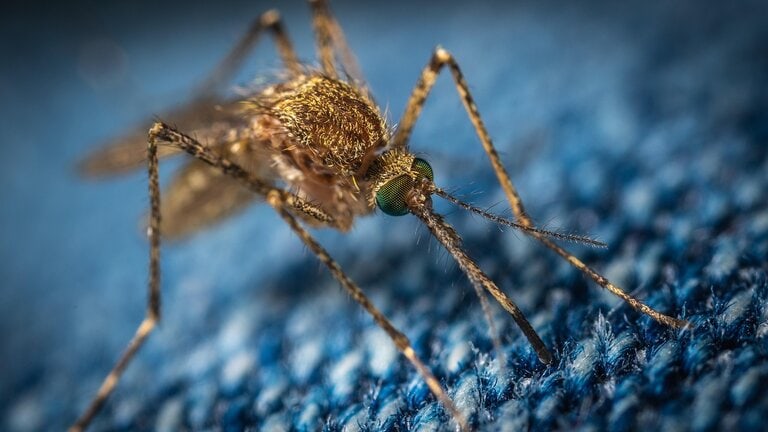
Image: Pixabay
Pest Control Smithville Ontario: Your Weekly Update on Chilly, Damp March Conditions
Welcome back to your weekly update on pest control Smithville Ontario! As we navigate this persistent late-winter chill with temperatures hovering around -1.28°C (30°F) and a noticeable 98% humidity, it’s understandable that most of us are more focused on staying warm than swatting bugs. This week, we’re classifying the overall bug risk level as Low for homeowners here in Smithville. What does this mean for you, especially as you might be heading to the West Lincoln Community Centre or just getting through the day? It means that while outdoor pest activity is minimal, typical of our humid continental climate, it’s an ideal time to assess and prevent indoor issues before spring truly arrives and brings more active pests.
This Week’s Weather and What It Means for Bugs
This week in Smithville, Ontario, our measured temperature of -1.28°C (30°F) combined with 98% humidity and cloudy conditions paints a clear picture for pest activity: a significant slowdown for most outdoor insect populations. At this freezing temperature, the vast majority of insects enter a state of diapause or seek deep shelter to survive the cold. According to entomological studies from the University of Guelph, temperatures consistently below 0°C (32°F) effectively halt the metabolic activity and development of cold-blooded organisms like insects, pushing them into overwintering phases where they conserve energy and develop cold hardiness. The high 98% humidity, while not directly promoting activity at such low temperatures, does mean that any protected overwintering sites, such as under leaf litter or in wall voids, are likely experiencing high moisture levels, which can influence the success rate of overwintering populations, potentially leading to increased mortality due to fungal pathogens or ice crystal formation within their tissues.
For specific species, this weather means a retreat. Boxelder bugs (Boisea trivittata), a common nuisance pest in Ontario, are highly susceptible to freezing. At -1.28°C (30°F), any outdoor individuals would be entirely inactive or deceased, having sought refuge in the walls and attics of homes months ago to avoid such conditions. Research from the University of Nebraska-Lincoln indicates that these insects require temperatures significantly above 0°C (32°F) for any noticeable activity. Similarly, Cluster Flies (Pollenia rudis), another prevalent overwintering pest, would be in a state of torpor within wall voids or attics at this -1.28°C outdoor temperature. The ambient 98% humidity, while not directly influencing their activity within heated indoor spaces, could, if infiltrating unheated structural voids, contribute to localized moisture issues. This sustained high moisture at low temperatures, as noted by studies from Michigan State University, can increase the risk of fungal growth in these sheltered environments, potentially affecting the survival rate of overwintering populations.
Conversely, strictly indoor pests like the German Cockroach (Blattella germanica) are entirely unaffected by the -1.28°C outdoor temperature, as they rely on human-heated structures for survival. However, the high 98% outdoor humidity, particularly if coupled with plumbing leaks or poor ventilation inside, can create highly favorable microclimates within kitchens, bathrooms, or basements where these pests thrive. Research from the University of Florida highlights that German cockroaches prefer environments with high relative humidity, typically between 60-80%, but will exploit any source of moisture. Therefore, while the cold keeps other pests out, this week’s extreme humidity emphasizes the importance of managing indoor moisture to discourage resilient indoor populations.
What to Do This Week in Smithville
Even with a low bug risk this week, folks, it’s still prime time for proactive pest prevention here in Smithville! With temperatures hovering just below freezing at -1.28°C (30°F) and that high 98% humidity, any critters trying to escape the chill will be looking for warmth and shelter inside your home. So, for this week, we highly recommend focusing on securing your home’s perimeter. First, take a walk around your home’s exterior and inspect all potential entry points. Look for gaps around windows, doors, utility pipe penetrations, and especially along your foundation. Many homes in Smithville, from historic century homes to more modern builds, can develop small cracks over time due to seasonal expansion and contraction. Use caulk or weatherstripping to seal these openings tightly. Denying entry now is your best defense against mice and overwintering insects like cluster flies and ladybugs that are desperately seeking a cozy spot to ride out the cold.
Secondly, let’s talk about interior moisture. Despite the cold, that 98% outdoor humidity means there’s a lot of moisture in the air that can contribute to condensation and dampness inside, which attracts pests like silverfish, certain spiders, and even rodents. Ensure good ventilation in bathrooms and kitchens, and take a quick look at your basement or crawl space for any signs of leaks or dampness. Running a dehumidifier, especially in areas prone to dampness, can make a big difference. Damp basements are a common issue for many Smithville homeowners, and addressing this now can prevent bigger pest problems down the line. Finally, clear any leaf litter, woodpiles, or garden debris that’s accumulated close to your foundation. This removes attractive hiding spots and potential entry points for pests seeking refuge from the cold. Following these simple steps is crucial for effective pest control Smithville Ontario homeowners can undertake themselves, keeping your home pest-free and comfortable all winter long.
Frequently Asked Questions about Pest Activity in Smithville
What common pests should Smithville residents be aware of in mid-March?
In mid-March, Smithville might see overwintering pests like cluster flies or box elder bugs emerging indoors as temperatures rise slightly. Rodents seeking warmth remain a possibility. Early ant activity could also begin. While overall bug risk is low, sealing entry points and monitoring for early signs of activity is wise for local homeowners.
Are rodents still a significant problem for homes in Smithville, Ontario, during early spring?
Yes, rodents like mice and rats can still be a concern in Smithville during early spring. As outdoor food sources remain scarce, they may continue seeking shelter and food inside homes. Sealing cracks, storing food properly, and setting traps are effective preventative measures. If issues persist, professional intervention might be needed.
What can I do about early spring ant invasions in my Smithville home, especially near the Canborough Street area?
Residents near Canborough Street, or anywhere in Smithville, should address early ant activity by sealing cracks in foundations and around windows. Remove food crumbs, clean spills promptly, and store food in airtight containers. Using ant baits near entry points can be effective. Persistent problems may require professional pest control Smithville Ontario services.
What are typical pest control measures for cluster flies emerging in Smithville homes this time of year?
Cluster flies often emerge indoors in Smithville during early spring as they awaken from hibernation. Vacuuming them up is effective for immediate removal. To prevent future infestations, seal exterior cracks and openings in attics, soffits, and around windows during late summer. Professional pest proofing can significantly reduce their presence.
Protect Your Home in Smithville, Ontario
Don’t let local bug activity catch you off guard. Visit our local store to get expert advice and the right supplies for your specific location.