Bug Report: Morse, Saskatchewan – 2026-03-17
This Forecast is Out of Date. Please visit https://justbiteme.com/regional-bug-bite-forecast for an updated forecast

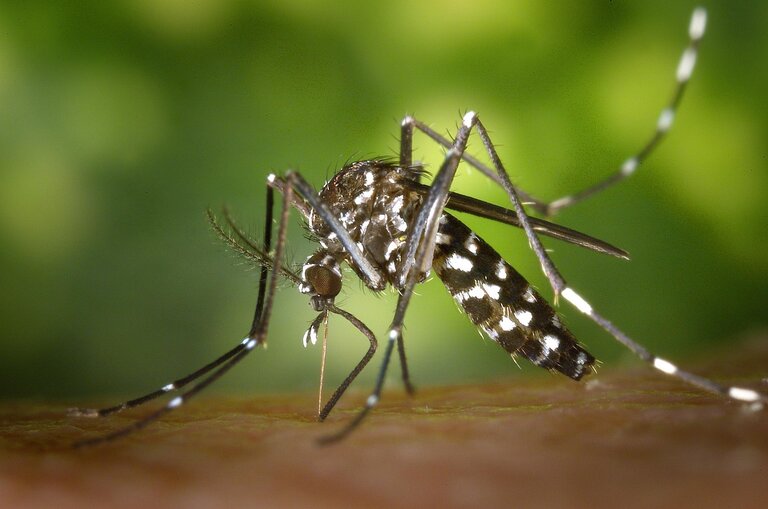
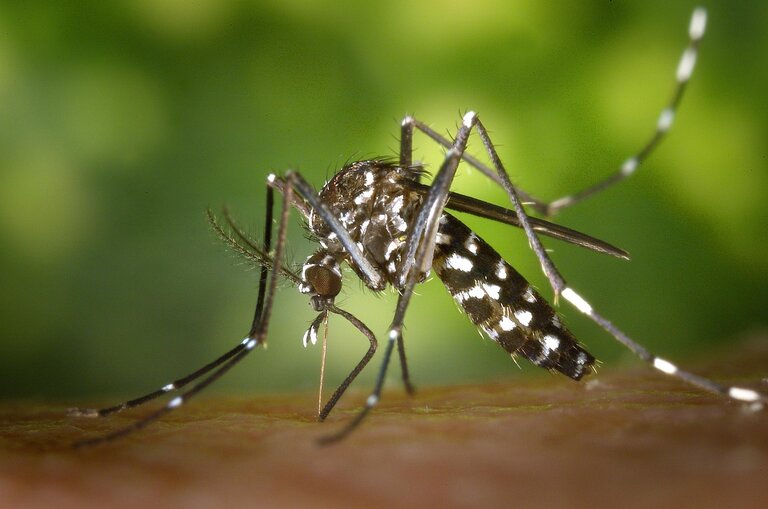
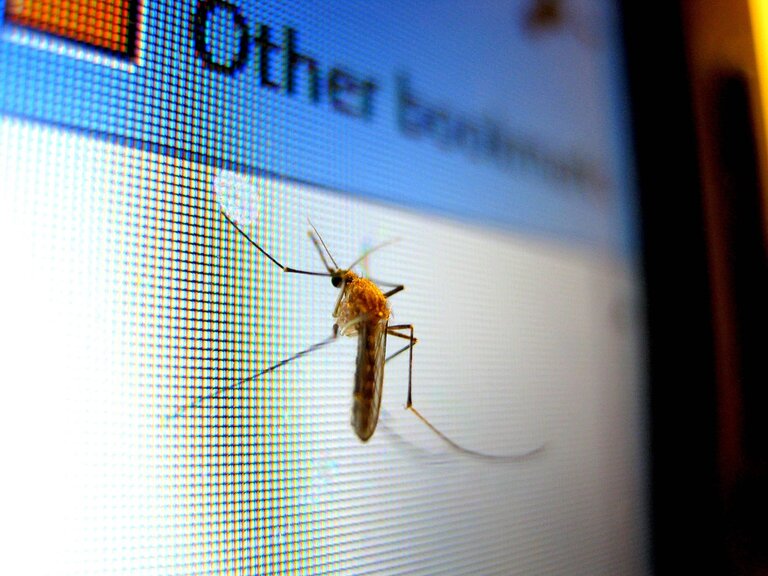
Image: Pixabay
Your Weekly Update for Pest Control Morse Saskatchewan: Navigating the Early Spring Chill (3.65°C and 77% Humidity Under Cloudy Skies)
Welcome back, Morse homeowners! As we ease into the week of March 17th, the familiar prairie chill still hangs in the air, with temperatures hovering around 3.65°C and 77% humidity under a blanket of clouds. For those of us focused on effective pest control Morse Saskatchewan, this means our bug risk level remains pleasantly low. It’s not quite time for the buzzing activity we’ll see near the old Morse Museum or along Main Street in a few months. A ‘low risk’ designation right now indicates that while some overwintering pests might be stirring from their dormancy indoors, widespread outdoor infestations are highly unlikely. This is an opportune moment for preventative measures rather than reactive treatments, giving you peace of mind.
This Week’s Weather and What It Means for Bugs
The current temperature of 3.65°C (39°F) in Morse, Saskatchewan, is a critical factor for insect biology, dictating a period of significant inactivity for the vast majority of pest species. At this temperature, insect metabolic rates are profoundly suppressed, effectively preventing active feeding, reproduction, or substantial development. According to entomological research from the University of Manitoba, most cold-blooded insects enter a state of torpor or diapause when ambient temperatures fall below their physiological thresholds, typically around 5-10°C, making 3.65°C well below the active range for all but a few specialized species. The accompanying 77% humidity, while not directly influencing activity at such low temperatures, plays a vital role in preventing desiccation for any pests currently overwintering in sheltered locations.
For common nuisance pests known to seek shelter indoors or in protected outdoor sites, such as the Boxelder Bug (Boisea trivittata) and the Multicolored Asian Lady Beetle (Harmonia axyridis), these conditions mean continued dormancy. Both species are known to aggregate in wall voids, attics, or under leaf litter to overwinter. At 3.65°C, their internal physiological processes slow drastically, conserving energy until warmer temperatures return, according to studies from the University of Saskatchewan. The 77% humidity helps maintain a suitable microclimate within their overwintering sites, minimizing water loss which is crucial for survival over extended periods of inactivity and without access to external moisture sources. These pests will remain largely unobserved and inactive while the ambient temperature holds at 3.65°C.
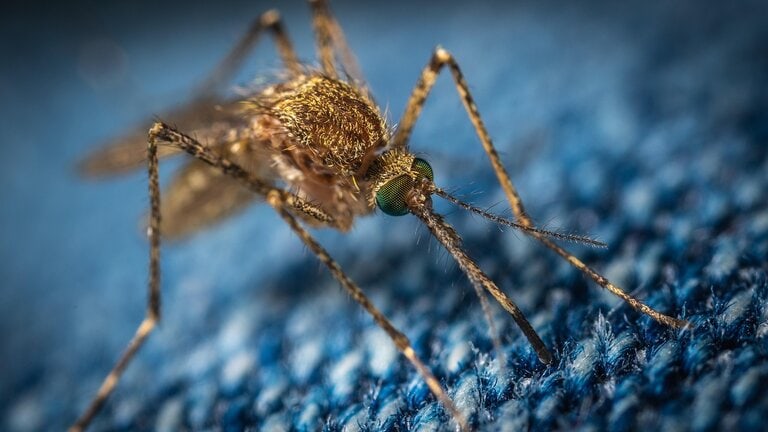
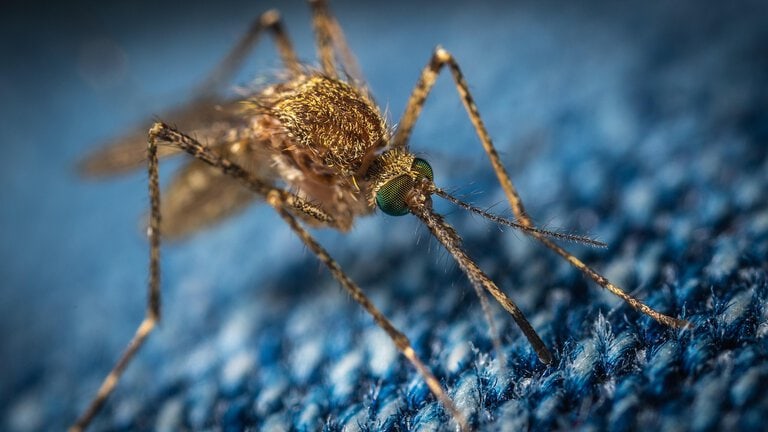
Similarly, adult mosquitoes, such as the common house mosquito (Culex pipiens), which overwinter in protected structures like culverts, basements, and sheds, will remain in a state of suspended animation at 3.65°C. Research from the University of Alberta indicates that adult mosquito activity, including blood-feeding and egg-laying, ceases well above this temperature, typically requiring sustained temperatures above 10°C for significant activity. The 77% humidity in their overwintering habitat is beneficial, helping to prevent the desiccation of these delicate insects during their dormant phase. While the current 3.65°C keeps these pests dormant, any significant rise in temperature above 5°C, coupled with this moderate to high humidity, could signal a gradual increase in activity for some species, prompting them to seek out new shelter or even brief periods of emergence as spring approaches.
What to Do This Week in Morse
Hey neighbours! This week in Morse, with temperatures hovering around 3.65°C (39°F) and that noticeable 77% humidity under cloudy skies, our bug risk is thankfully low. But ‘low’ doesn’t mean ‘no’ when it comes to keeping your home pest-free! First off, let’s talk about sealing up those tiny cracks. With the mercury still bouncing around freezing, pests like mice, voles, and even overwintering cluster flies or boxelder bugs are looking for warmth if they haven’t found it already. Take a moment to inspect around windows, doors, utility pipes, and especially your foundation. A small bead of caulk or some steel wool can make a big difference, keeping them out before they settle in for good. Secondly, with 77% humidity outside, it’s a good reminder to manage moisture inside your home. Excess humidity can lead to condensation, which attracts moisture-loving pests like silverfish, earwigs, and even certain types of ants, not to mention creating conditions ripe for mould spores. Ensure your bathrooms and kitchen are well-ventilated, and address any leaky faucets or pipes promptly. This is especially important for basements, which are common in many Morse homes and can be prone to dampness.
Third, take advantage of the slower bug activity to declutter storage areas like attics, basements, and garages. Pests love hiding in undisturbed boxes, old newspapers, and forgotten piles of clothing. Reducing clutter eliminates potential nesting sites for rodents and hiding spots for insects. As the ground thaws (slowly!), things like spiders and even the occasional field mouse might start to stir, and a tidy space offers fewer invitations inside. And for an extra layer of protection, particularly for those classic prairie homes with their sturdy but sometimes drafty foundations, consider a thorough exterior inspection. Checking for gaps where siding meets the foundation, or around old utility entrances, is a key step in effective pest control Morse Saskatchewan. Taking these proactive steps now ensures your home stays comfortable and critter-free as we head towards spring!
Frequently Asked Questions about Pest Activity in Morse
What common pests should Morse residents be aware of during early spring?
In mid-March, Morse residents might still encounter overwintering rodents like mice and voles seeking warmth indoors. While insect activity is generally low, occasional spiders or cluster flies might emerge. Proactive sealing of entry points is recommended to prevent these early season nuisances from becoming established.
Are there specific pest concerns for homes near the Morse Co-op or residential areas bordering agricultural fields?
Properties near the Morse Co-op or adjacent to agricultural land, particularly on the town’s outskirts, may experience higher rodent pressure (mice, voles) migrating from fields or commercial areas seeking shelter and food. Proper sanitation and exterior sealing are crucial for these locations.
What are the best preventive measures for pests in Morse homes this time of year?
Sealing cracks and gaps in foundations, around pipes, and windows is paramount to exclude pests. Storing food in airtight containers and keeping yards tidy also deters infestations. For persistent issues or larger infestations, contacting a local expert for pest control Morse Saskatchewan is advisable for effective, tailored solutions.
Despite low bug risk, what are some year-round pest concerns in Morse, Saskatchewan?
Even with low bug risk in mid-March, common year-round pests in Morse include house mice, Norway rats, and occasionally voles, which can seek shelter indoors during colder months. Pigeons and sparrows can also be a nuisance around structures. Monitoring for these persistent pests is always wise.
Protect Your Home in Morse, Saskatchewan
Don’t let local bug activity catch you off guard. Visit our local store to get expert advice and the right supplies for your specific location.