Bug Report: Delhi, Ontario – 2026-03-17
This Forecast is Out of Date. Please visit https://justbiteme.com/regional-bug-bite-forecast for an updated forecast

Image: Pixabay
Pest Control Delhi Ontario Update: March 17, 2026 – Chilly, Cloudy Conditions at -1.11°C
Welcome to this week’s pest control Delhi Ontario report. With temperatures hovering around -1.11°C (30°F), high humidity at 95%, and persistent clouds, it’s a quiet time for most outdoor pests. While many of us are still enjoying indoor pursuits, perhaps planning spring gardening or a visit to the Delhi Tobacco Museum and Heritage Centre once the weather warms, this frigid March weather means the overall bug risk level for homeowners in Delhi is currently Low. For our region, characterized by its humid continental climate, this low risk period is typical as winter holds its grip, keeping most insects dormant or seeking deep shelter, minimizing immediate threats to your home’s exterior.
This Week’s Weather and What It Means for Bugs
The measured conditions this week in Delhi, Ontario, with a temperature of -1.11°C (30°F) and 95% humidity, present a clear picture of winter’s firm grip on pest activity. At -1.11°C, which is below the freezing point of water, outdoor insect life cycles are largely arrested. Most pest species common to the region enter a state of dormancy known as diapause, or seek insulated overwintering sites to escape the lethal effects of freezing. For example, nuisance pests like Cluster Flies (Pollenia rudis) and Boxelder Bugs (Boisea trivittata), which typically seek refuge in homes and structures during colder months, are currently in deep torpor. According to entomological research from the University of Guelph, temperatures consistently at or below 0°C (32°F) halt their metabolic activity, preventing any movement or feeding. The accompanying 95% humidity, while not promoting activity at these low temperatures, is crucial for preventing desiccation among insects sheltering in protected environments such as wall voids, under bark, or in leaf litter, thereby enhancing their survival rates until warmer conditions return.
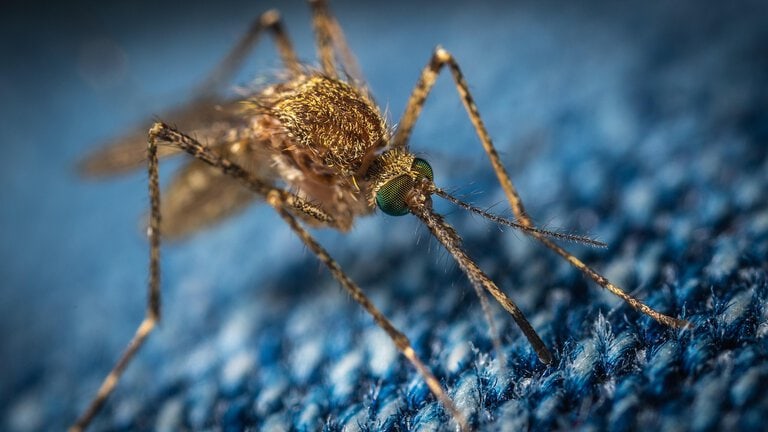
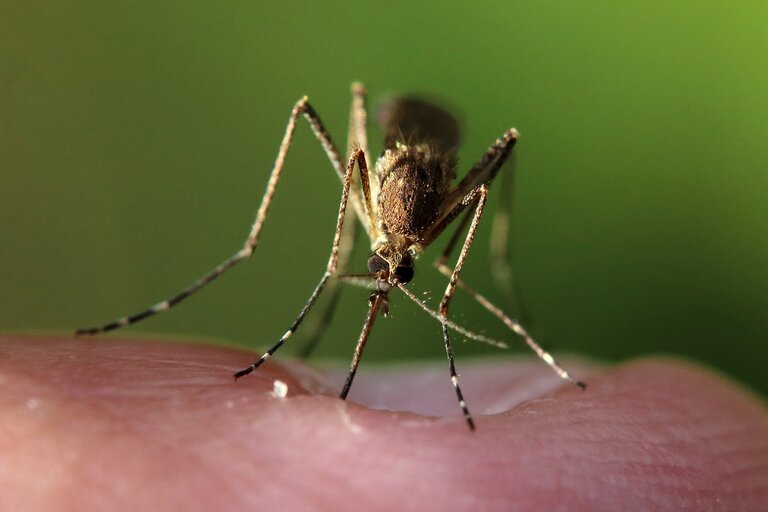
These frigid conditions similarly suppress the life cycles of other prominent pests. Mosquitoes (Culex pipiens complex), for instance, are entirely inactive at -1.11°C. Adult female Culex mosquitoes typically overwinter in sheltered, humid environments like culverts or basements, entering diapause where their metabolism slows to a crawl, as detailed by studies from the Ontario Ministry of Natural Resources and Forestry. The high ambient humidity ensures these overwintering sites remain sufficiently moist, a critical factor for adult mosquito survival through dormancy, even as the sub-freezing temperature completely prevents their development or reproduction. Similarly, any colonies of Carpenter Ants (Camponotus spp.) residing in outdoor nests or within unheated sections of structures in Delhi are in deep diapause. Research from Cornell University indicates that these ants retreat deep into their galleries, often below the frost line, and significantly reduce their metabolic rate to conserve energy. The -1.11°C temperature ensures no foraging activity, while the 95% humidity helps maintain the stable moisture content of their overwintering habitat, which is vital for queen and larval survival through the winter months.
What to Do This Week in Delhi
Hello Delhi neighbours! With temperatures hovering around freezing at -1.11°C and high humidity this week, pests are looking for warmth and shelter more than ever. This is the perfect time to seal up any cracks or gaps around your home’s foundation, windows, and doors. Even small openings can be an invitation for rodents like mice and voles, or overwintering insects trying to escape the chill. Secondly, despite the cold, that 95% humidity means you should be extra vigilant about indoor moisture. Check under sinks, around appliances, and in your basement for any leaks or condensation, as excess dampness creates an inviting environment for moisture-loving pests like silverfish or centipedes, even when it’s cold outside.
For our local Delhi homes, especially those older bungalows and farmhouses, take a moment to inspect your attic and basement. These often-forgotten spaces are prime real estate for pests to overwinter undisturbed. Look for droppings, gnaw marks, or nests that indicate unwanted guests. Lastly, clear any clutter, woodpiles, or debris away from your home’s exterior foundation. These can provide convenient hiding spots and pathways for pests trying to get inside. By taking these proactive steps, you’re doing a great job of preventing problems before they start. If you do spot signs of trouble, remember to reach out to a professional for effective pest control Delhi Ontario services.
Frequently Asked Questions about Pest Activity in Delhi
What are common pests in Delhi, Ontario, during mid-March?
In mid-March, Delhi, Ontario typically sees overwintering pests like cluster flies, boxelder bugs, and lady beetles becoming active indoors as temperatures rise. Rodent activity, particularly mice, may also persist as they seek indoor warmth and food sources before the full onset of spring.
Are homes near Big Creek in Delhi more prone to specific pests?
Properties near Big Creek in Delhi can experience higher activity of moisture-loving pests. This includes mosquitoes, especially as warmer weather approaches and standing water becomes prevalent, along with certain types of spiders and earwigs drawn to the damper environments provided by riparian areas.
Given the low bug risk in Delhi this week (March 17, 2026), what preventative measures should I still consider?
Even with low bug risk, it’s wise to seal any cracks or openings in your foundation and around windows/doors. Ensure proper ventilation in basements and crawl spaces to deter moisture pests. If you notice any unexpected activity, proactive **pest control Delhi Ontario** services can assess and address potential issues early.
What kind of pest activity should Delhi residents expect as spring progresses into April?
As spring progresses into April, Delhi residents can anticipate increased activity from ants, especially carpenter ants, as they forage for food. Spiders will become more visible, and overwintering wasps may emerge. Early signs of nuisance wildlife like raccoons or squirrels might also appear as they prepare for nesting.
Protect Your Home in Delhi, Ontario
Don’t let local bug activity catch you off guard. Visit our local store to get expert advice and the right supplies for your specific location.