Bug Report: Smithville, Ontario – 2026-03-17
This Forecast is Out of Date. Please visit https://justbiteme.com/regional-bug-bite-forecast for an updated forecast

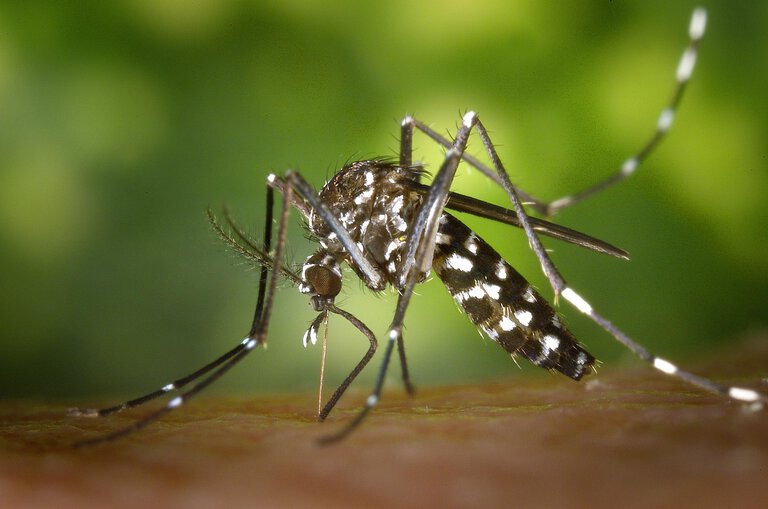
Image: Pixabay
Pest Control Smithville Ontario: Your Weekly Bug Report for March 17, 2026 – Cloudy & Chilly at -2.53°C
Welcome back, Smithville homeowners! For the week of March 17, 2026, with cloudy skies, 96% humidity, and temperatures at -2.53°C (27°F), the bug risk level remains refreshingly Low. This deep chill, characteristic of Southern Ontario’s humid continental climate, keeps most outdoor pests inactive. While you’re likely focused on indoor spring cleaning rather than urgent pest control Smithville Ontario issues, this low risk means you can breathe easy. Even if you live near the agricultural areas off Regional Road 20, widespread outdoor pest activity is minimal, allowing you to enjoy your home without major insect concerns this week.
This Week’s Weather and What It Means for Bugs
This week in Smithville, the measured temperature of -2.53°C (27°F) is well below freezing, which significantly curtails the outdoor activity of nearly all insect pests. At these frigid temperatures, most cold-blooded insects enter a state of dormancy or diapause, or seek sheltered overwintering locations to avoid lethal freezing. For instance, common nuisance pests like Boxelder Bugs (Boisea trivittata) and Cluster Flies (Pollenia rudis) are not actively foraging outdoors at -2.53°C. Instead, they are typically found overwintering within the protected confines of homes and other structures, having sought refuge in wall voids or attics before sustained cold set in. According to entomological studies from the University of Guelph, sustained temperatures below 0°C are critical for triggering these overwintering behaviors in many insect species prevalent in Ontario, ensuring their survival until warmer spring conditions return. Furthermore, mosquitoes, such as the common house mosquito (Culex pipiens), are entirely inactive at this temperature, with adults having died off and larvae unable to develop in frozen or near-frozen water sources. Research from the Public Health Agency of Canada confirms that such sub-zero conditions halt the life cycle progression of most mosquito species in temperate climates.
While the extreme cold dictates outdoor pest behavior, this week’s high humidity of 96% plays a subtle yet important role, particularly for indoor pest populations. Although the direct impact on outdoor insects is limited by the freezing temperatures, such high external humidity can contribute to elevated indoor moisture levels, especially in poorly ventilated or insulated areas. For pests like the German Cockroach (Blattella germanica), which are exclusively indoor inhabitants in our climate, environments with high humidity are highly conducive to their proliferation. According to studies conducted at Virginia Tech, German cockroaches exhibit optimal development and reproductive rates when relative humidity exceeds 70%, making the potential for sustained indoor humidity near 96% an ideal condition for their survival and expansion within structures. Similarly, moisture-loving pests such as Silverfish (Lepisma saccharina) thrive in damp conditions. Research from the University of Florida indicates that silverfish prefer and actively seek out environments with relative humidity between 75-97%, meaning a high outdoor humidity of 96% can create very favorable microclimates in basements, bathrooms, and other humid indoor spaces, potentially leading to increased activity and population growth for these household nuisances.
What to Do This Week in Smithville
With temperatures hovering around -2.53°C (27°F) and a chilly 96% humidity outside this week in Smithville, our local pests are certainly looking for warmth and shelter indoors. Even though the overall bug risk is low, now is a critical time to secure your home against determined overwintering insects, spiders, and especially rodents seeking refuge from the cold. First, take a walk around your home’s exterior, paying close attention to the foundation, around utility pipes, and under eaves. Seal any cracks or gaps you find with appropriate caulk or steel wool. This is particularly important for older homes common in our area that might have settled over the years, creating small entry points. Proactive sealing is a foundational step in effective pest control Smithville Ontario, preventing these unwelcome guests before they become a problem.
Next, despite the freezing temperatures, our high outdoor humidity can contribute to indoor moisture issues if not managed. Make sure your bathroom and kitchen vents are working efficiently and use exhaust fans during and after showers or cooking to reduce condensation. This helps deter moisture-loving pests like silverfish, certain types of ants, and even some cockroaches that thrive in damp conditions, especially in basements and crawl spaces common to homes in our region. Finally, take a few minutes to declutter and elevate items in your garage, attic, or basement. Storing boxes off the floor and organizing cluttered spaces eliminates prime hiding spots for pests that might have already found their way in, making your home less inviting for them to settle down for the winter.
Frequently Asked Questions about Pest Activity in Smithville
What kind of pest activity can Smithville residents expect in mid-March?
In mid-March, Smithville typically sees low pest activity. Overwintering pests like mice and cluster flies may become more active as temperatures fluctuate. Early signs of carpenter ants or pavement ants might appear indoors, particularly near foundations. It’s a prime time for proactive measures to prevent spring infestations before they escalate.
Are there any specific pests more common in Smithville homes during early spring?
Yes, early spring in Smithville often brings increased sightings of common house spiders and overwintering pests like Asian lady beetles, box elder bugs, and brown marmorated stink bugs stirring from dormancy. Mice might also seek shelter from late winter chills, making their presence felt in warmer indoor spaces.
How can I best prevent common pests from entering my Smithville home this spring?
To prevent pests in your Smithville home, focus on sealing entry points like cracks in foundations, gaps around windows, and utility line openings. Ensure screens are intact. Maintain good sanitation, store food properly, and reduce clutter. For persistent issues, professional pest control Smithville Ontario services can identify vulnerabilities and implement effective preventative strategies.
Are properties in rural areas surrounding Smithville more susceptible to certain pests?
Properties in rural areas near Smithville can indeed face unique pest challenges. Field mice and voles are common, seeking warmth indoors. Wildlife such as raccoons, squirrels, and skunks might also be drawn to properties, especially if food sources are accessible. Regular perimeter checks and securing garbage are crucial preventive steps.
Protect Your Home in Smithville, Ontario
Don’t let local bug activity catch you off guard. Visit our local store to get expert advice and the right supplies for your specific location.