Bug Report: Port Hope, Ontario – 2026-03-17
This Forecast is Out of Date. Please visit https://justbiteme.com/regional-bug-bite-forecast for an updated forecast

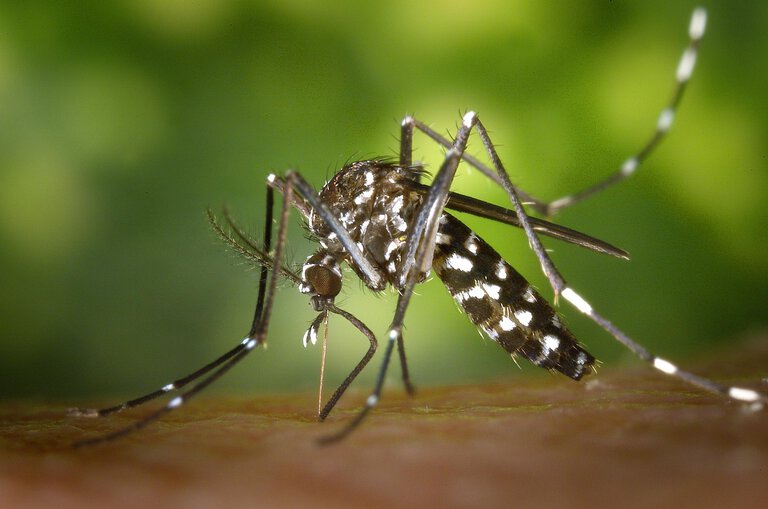
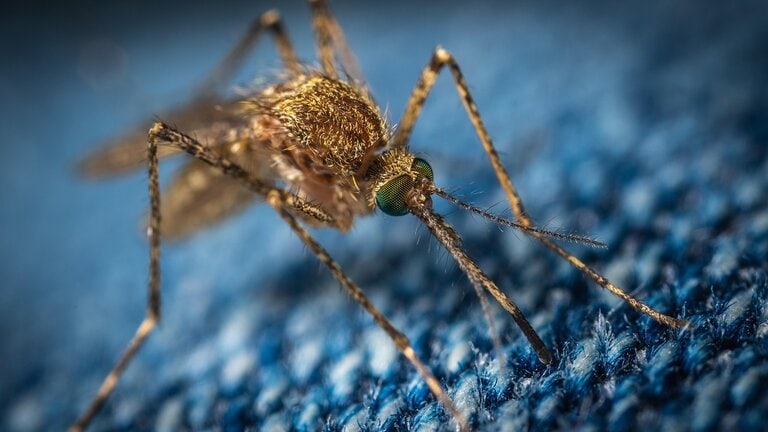
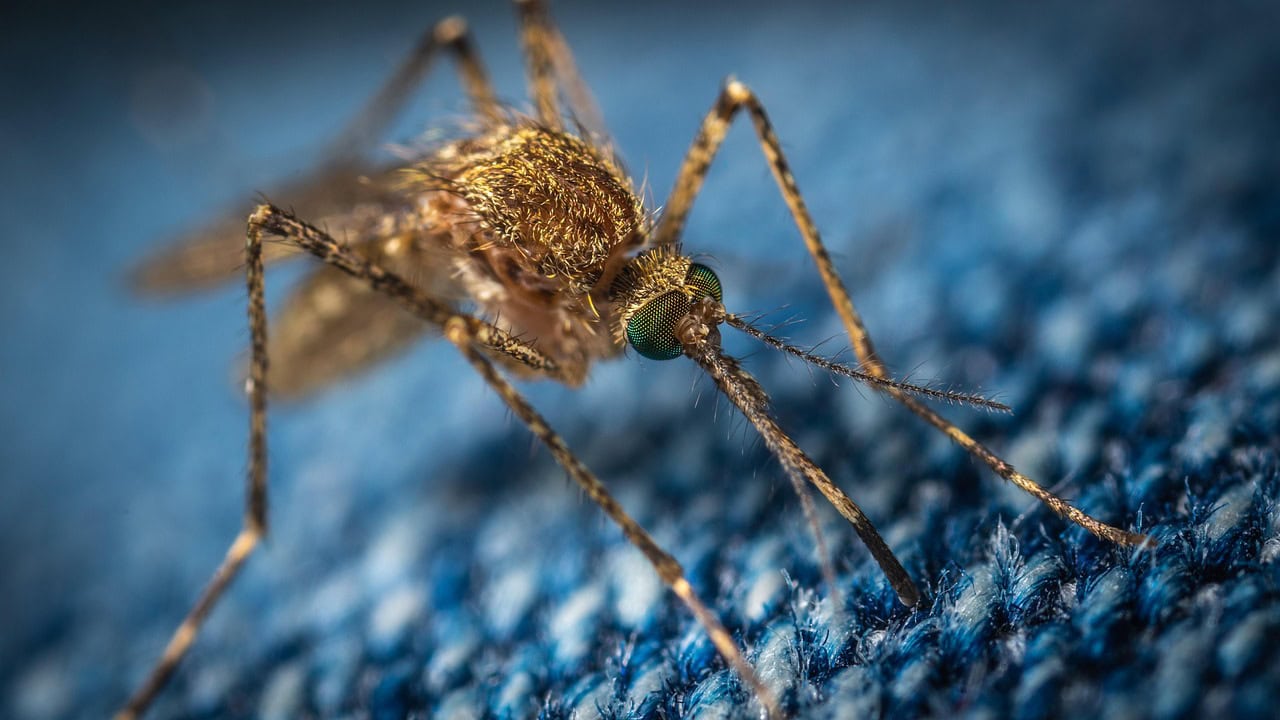
Image: Pixabay
Your Weekly Pest Control Port Hope Ontario Report: Cloudy & Chilly at 0.03°C (32°F)
Welcome back, Port Hope homeowners, to your trusted source for pest control Port Hope Ontario insights! As we navigate the week of March 17th, with cloudy skies, a crisp 0.03°C (32°F) and 92% humidity, the good news is our overall bug risk level remains low. This means that while you might not be seeing much activity outside along the Ganaraska River banks or around your homes near Highway 401, it’s still a crucial time for vigilance. Pests are largely hunkered down, seeking warmth and shelter from our typically humid continental climate, rather than actively foraging or reproducing. For you, a low risk means less immediate threat of new infestations, but it’s an excellent time for preventative checks.
This Week’s Weather and What It Means for Bugs
This week in Port Hope, the measured outdoor temperature of 0.03°C (32°F) signifies conditions just barely above the freezing point, profoundly impacting the biology of most local pests. For ectothermic (cold-blooded) insects, this temperature is well below their active metabolic range, pushing them into states of dormancy, such as diapause or hibernation, or driving them to seek insulated shelter. Their physiological processes, including feeding, reproduction, and development, are largely suppressed. The high humidity of 92%, while not the primary driver in these frigid conditions, does indicate a moist environment which, for any overwintering pests able to find protected nooks outdoors or in unheated structures, can contribute to preventing desiccation during their inactive period, aiding in their survival until warmer weather arrives.
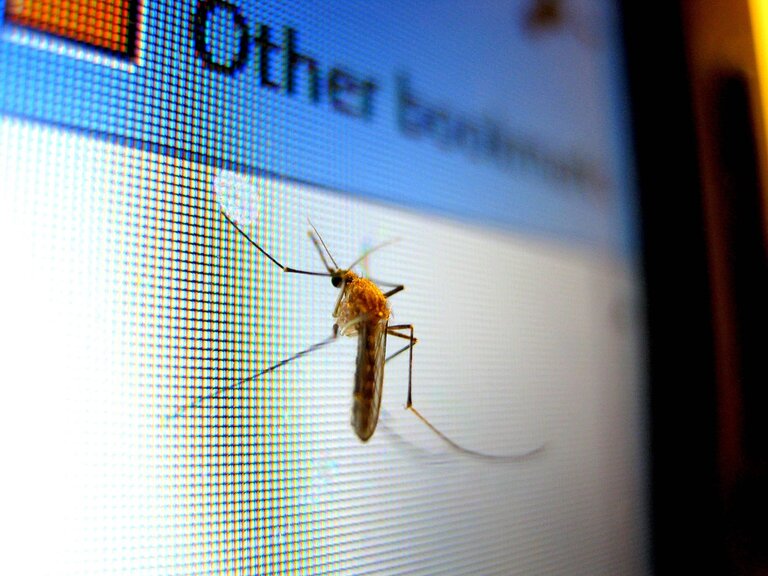
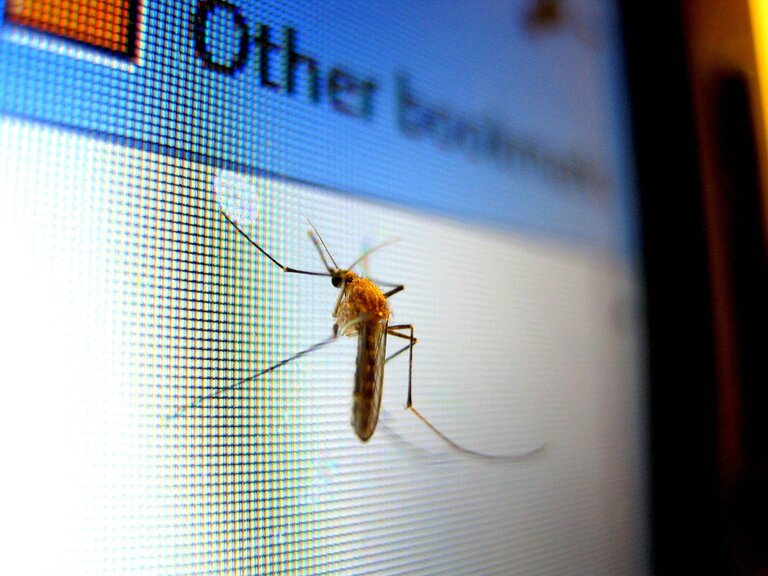
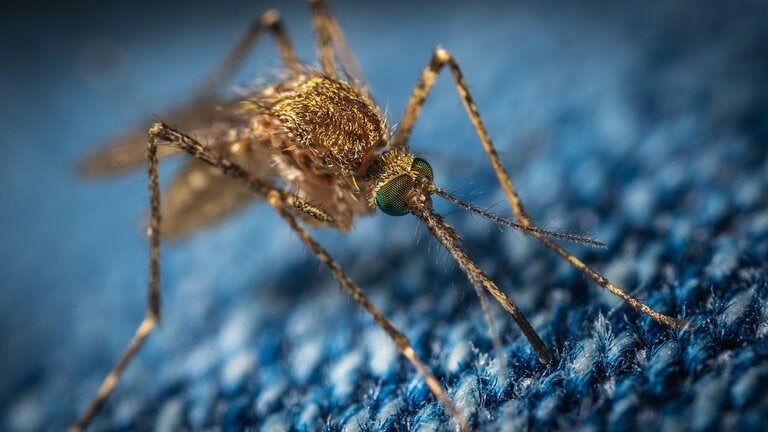
Considering these specific conditions, several pest species exhibit characteristic responses. For instance, common house mosquitoes, such as Culex pipiens, are not actively breeding or biting at 0.03°C. According to research from the University of Guelph, adult female Culex pipiens enter reproductive diapause during cold temperatures, seeking sheltered, humid locations like basements, crawl spaces, or storm sewers to overwinter. The 92% humidity outdoors suggests that any such sheltered locations would likely also maintain high humidity, which is crucial for preventing desiccation during their extended period of inactivity. Similarly, overwintering pests like cluster flies (Pollenia rudis) remain in a state of torpor within wall voids and attics. According to resources from the Ontario Ministry of Agriculture, Food and Rural Affairs (OMAFRA), at 0.03°C, outdoor activity is non-existent for these insects; they will only become active if indoor temperatures significantly warm their immediate surroundings, prompting incidental emergence into living spaces. The high outdoor humidity does not directly affect their indoor behaviour but reinforces the overall winter conditions that keep them sequestered.
Beyond insects, other pests are also significantly affected by the 0.03°C temperature. Rodents, such as the house mouse (Mus musculus), are highly vulnerable to cold stress. According to pest management guidelines from the University of California, Davis, temperatures near freezing significantly increase their drive to seek warmth, food, and shelter indoors. The 0.03°C reading means outdoor survival for mice becomes challenging, intensifying their efforts to breach homes and structures for refuge. The 92% humidity outside does not deter this inward migration; rather, they prioritize dry, warm environments over damp, cold ones, making indoor spaces even more appealing. This sustained cold pressure means residents should remain vigilant for signs of rodent entry.
What to Do This Week in Port Hope
As we navigate this week with temperatures just barely above freezing at 0.03°C (32°F) and a high 92% humidity, it’s a prime time for opportunistic pests to seek warmth and shelter indoors, even with a low overall risk. Start by taking a thorough walk around your home’s exterior. Inspect common entry points like utility line penetrations, foundation cracks, and around window frames. Even small gaps are invitations for overwintering pests like rodents or cluster flies trying to escape the lingering chill. Indoors, pay attention to areas prone to moisture, such as basements, crawl spaces, and under sinks. With the outdoor air so saturated, any indoor leaks or condensation can become a significant draw for moisture-loving pests like silverfish, earwigs, or even carpenter ants seeking damp wood.
For those of us in Port Hope blessed with beautiful older homes, particularly common throughout our town’s charming streets, pay special attention to the integrity of your foundation and window wells. Older mortar and sealants can degrade over time, creating easy access points for mice or other critters looking for a dry, warm spot away from the damp conditions. A quick visual check this week can prevent bigger headaches later. Remember, proactive measures are key to effective pest control Port Hope Ontario. If you spot anything concerning, early intervention can save you a lot of trouble down the line by addressing vulnerabilities before they become major infestations.
Frequently Asked Questions about Pest Activity in Port Hope
What pest activity should Port Hope residents expect in March 2026?
In March, Port Hope generally sees low pest activity. However, overwintering pests like cluster flies, lady beetles, and even rodents might become more visible as temperatures fluctuate. It’s a prime time to address any lingering indoor issues before spring brings increased outdoor pest populations.
Are properties near the Ganaraska River in Port Hope more susceptible to certain pests?
Properties close to the Ganaraska River can experience increased moisture, attracting pests like centipedes, millipedes, and certain ant species seeking damp environments. Rodents might also frequent riverbanks. Regular inspections and proper drainage are essential for these Port Hope homes to mitigate potential infestations.
What proactive steps can Port Hope homeowners take against pests in early spring?
Early spring is ideal for sealing entry points like cracks around foundations, windows, and utility lines. Ensure proper attic and crawl space ventilation. Clear outdoor debris that could harbor pests. For comprehensive protection or if you notice early signs, consider professional pest control Port Hope Ontario services to prevent bigger problems.
What are the most common indoor pests Port Hope residents encounter?
Common indoor pests in Port Hope often include mice, which seek warmth and food, and various spiders. During late winter and early spring, cluster flies and box elder bugs might emerge indoors after overwintering. Regular cleaning and sealing cracks are key to keeping these unwanted guests out of your home.
If I find rodents indoors in Port Hope, what should my first step be?
If you discover rodents indoors in Port Hope, your first step should be to identify and seal all potential entry points, even small ones. Remove food sources and clean thoroughly. While traps can help with small issues, a persistent problem often requires professional assessment to effectively eliminate the infestation and prevent recurrence.
Protect Your Home in Port Hope, Ontario
Don’t let local bug activity catch you off guard. Visit our local store to get expert advice and the right supplies for your specific location.