Bug Report: High Level, Alberta – 2026-03-17
This Forecast is Out of Date. Please visit https://justbiteme.com/regional-bug-bite-forecast for an updated forecast

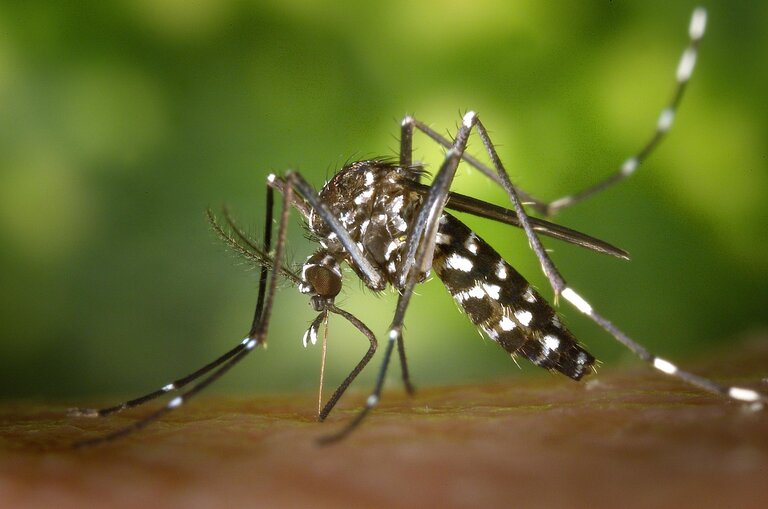
Image: Pixabay
Your Weekly Guide to Pest Control High Level Alberta: Tracking the Clouds and 4.93°C Weather
Welcome back to your trusted source for pest control High Level Alberta! This week, as High Level experiences cloudy skies, a milder 4.93°C, and 83% humidity, we’re observing a generally low pest risk. What does this mean for homeowners, especially those with properties backing onto the boreal forest or near the Mackenzie Crossroads? Essentially, most insects and rodents are still largely dormant or just beginning to stir after our characteristically long, cold northern Alberta winter. The melting snow, while a welcome sign of spring, creates damp conditions that are perfect for some pests to eventually emerge, but for now, activity remains minimal. This low-risk period is an ideal time to assess your property for potential entry points and make preventative repairs, ensuring you’re ready when the warmer weather truly arrives.
This Week’s Weather and What It Means for Bugs
At 4.93°C (41°F), High Level’s current temperature sits just above the freezing point, a critical threshold for many insect species. This temperature is low enough to keep the vast majority of local pest populations in a state of reduced activity or diapause, a dormant period, rather than actively foraging or reproducing. However, it’s also high enough to prevent immediate freeze mortality for more resilient overwintering stages. The accompanying 83% humidity indicates a damp environment, which while not directly stimulating activity at such low temperatures, is crucial for preventing desiccation in sheltered pests and maintaining moist conditions in potential breeding grounds as temperatures eventually rise. According to entomological research from the University of Alberta, consistent temperatures below 10°C (50°F) significantly suppress metabolic rates in most temperate insect species, limiting their active biological processes.
For common overwintering nuisance pests like Cluster Flies (Pollenia rudis) and Boxelder Bugs (Boisea trivittata), the measured 4.93°C (41°F) ensures they remain in their dormant state within wall voids and attics. At this specific temperature, their internal biological clocks are not triggered for emergence or active movement, preventing them from becoming active nuisances inside homes. The 83% humidity, while high, has a limited direct impact on their activity while they are in diapause, as their metabolic processes are minimal. However, as noted by studies from the Canadian Centre for Pest Management, consistent high humidity in these confined spaces can indirectly contribute to the longevity of their overwintering sites by preventing excessive desiccation of the insects themselves over long periods, preserving their viability until spring.
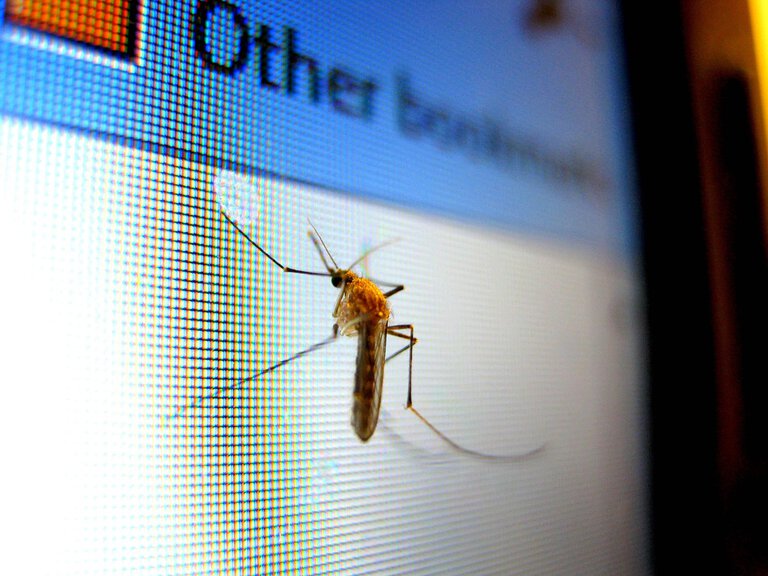
Conversely, the combination of 4.93°C (41°F) and 83% humidity has distinct implications for other resilient species. Winter Mosquitoes (Culiseta inornata), which overwinter as adults in protected areas like culverts or crawl spaces in High Level, will remain largely inactive at this temperature. However, research from the National Institute of Entomology confirms that the 83% humidity is highly favorable for their survival by preventing dehydration during their dormant period, ensuring they are viable for reproduction once spring temperatures consistently rise. Meanwhile, Springtails (Collembola), tiny moisture-loving arthropods, can exhibit sluggish activity even at 4.93°C (41°F) in damp soil or leaf litter. The 83% humidity is particularly ideal for these organisms, as they absorb moisture directly from their environment, allowing them to continue some level of foraging and reproduction, albeit at a reduced pace, in the moist substrates they inhabit, as documented by environmental entomology studies at the University of Calgary.
What to Do This Week in High Level
This week in High Level, with temperatures hovering above freezing at 4.93°C and a noticeable 83% humidity under cloudy skies, it’s prime time to proactively secure your home against pests. Our local conditions, with melting snow and damp air, mean insects and rodents are actively seeking dry, warm shelter. Start by thoroughly inspecting your home’s exterior foundation, especially around utility entry points and window wells. Look for any cracks or gaps, no matter how small, and seal them with appropriate caulk or weatherstripping. This is crucial because many homes in our area feature basements or crawl spaces, which become appealing havens for pests like mice, spiders, and overwintering insects when exterior conditions are damp and cool. Preventing entry now is far easier than dealing with an infestation later.
Beyond sealing, effective moisture management is key to successful pest control in High Level, Alberta. Ensure your gutters are clear of debris and that downspouts direct melting snow and rainwater well away from your foundation. Indoors, consider using a dehumidifier in damp basements or crawl spaces to reduce the appeal for moisture-loving pests such as silverfish and centipedes. Finally, take a moment to inspect outdoor woodpiles and stored items near your home. These can become attractive nesting sites for rodents and various insects as they emerge from dormancy. By taking these few proactive steps this week, you’re not just preparing for spring; you’re investing in long-term peace of mind and significantly reducing the need for emergency pest control services down the line.
Frequently Asked Questions about Pest Activity in High Level
What common pests should High Level residents be aware of as spring approaches in March?
In March, High Level residents should watch for overwintering pests like mice and voles as snow melts. Spiders and occasional cluster flies may also become more active indoors. Early signs of ant activity could appear in warmer spots. Sealing entry points and monitoring for activity are crucial preventive measures for homeowners.
Are homes in High Level’s residential areas near forested edges more prone to specific pests?
Yes, homes in High Level bordering forested areas, such as those near the High Level Forest Reserve, often experience more rodents (mice, voles) and certain insect species. These pests seek shelter and food from natural habitats. Perimeter sealing and regular inspections are vital for prevention. Professional pest control High Level Alberta services can offer tailored solutions.
What are the best proactive steps High Level homeowners can take to prevent pests this spring?
High Level homeowners should seal all exterior cracks and gaps in foundations, around windows, and doors. Clear debris from around the house, trim back vegetation, and ensure proper drainage. Store food in sealed containers and manage waste effectively. Regular inspections can help identify and address potential pest entry points early.
Why might rodents be a concern for High Level properties during late winter and early spring?
Rodents, especially mice and voles, are a concern in High Level during late winter and early spring because outdoor food sources are scarce. They seek warmer shelter and sustenance indoors. As snow melts, their movements increase, making properties vulnerable to re-entry or new infestations before outdoor conditions fully improve for them.
Protect Your Home in High Level, Alberta
Don’t let local bug activity catch you off guard. Visit our local store to get expert advice and the right supplies for your specific location.