Bug Report: Wetaskiwin, Alberta – 2026-03-17
This Forecast is Out of Date. Please visit https://justbiteme.com/regional-bug-bite-forecast for an updated forecast

Image: Pixabay
Pest Control Wetaskiwin Alberta: Mild & Cloudy Outlook for March 17, 2026
Welcome back to your weekly update on pest control in Wetaskiwin, Alberta! As we approach St. Patrick’s Day on March 17, 2026, the local forecast for Wetaskiwin brings cloudy skies, a mild 5.51°C (42°F), and a humid 86%. This means many of the usual spring pests around areas like By-the-Lake Park are still largely inactive, preferring to stay hunkered down rather than venture out into the persistent chill. For homeowners focused on pest control Wetaskiwin Alberta, this week brings a welcome Low risk level, indicating that you likely won’t see much immediate insect activity. This is typical for our prairie climate this time of year, where true spring warmth is still a few weeks away.
This Week’s Weather and What It Means for Bugs
This week’s measured conditions of 5.51°C (42°F) and 86% humidity in Wetaskiwin present a complex picture for local pest populations. While these temperatures are not conducive to widespread outdoor insect activity, they are critically above freezing, allowing certain physiological processes to begin or continue at a reduced rate. According to entomological research from the University of Alberta, temperatures just above freezing like 5.51°C are key for the survival of many overwintering pests, preventing freezing mortality and signaling the gradual approach of warmer weather that will trigger more significant activity. The high humidity of 86% further aids in this survival by significantly reducing the risk of desiccation for any insects that might be active or emerging from sheltered overwintering sites.
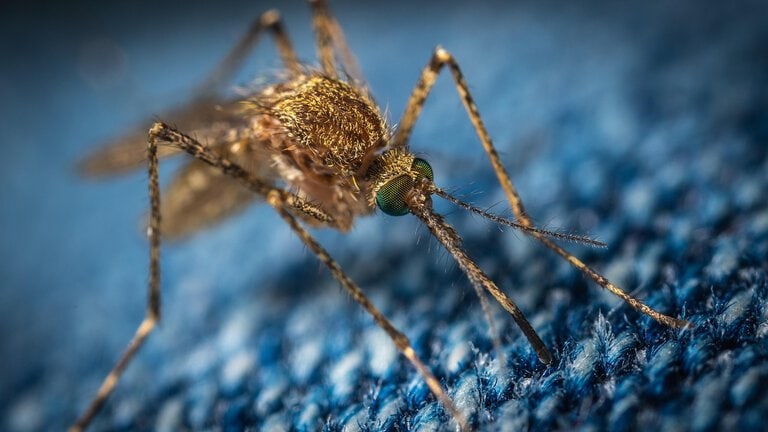
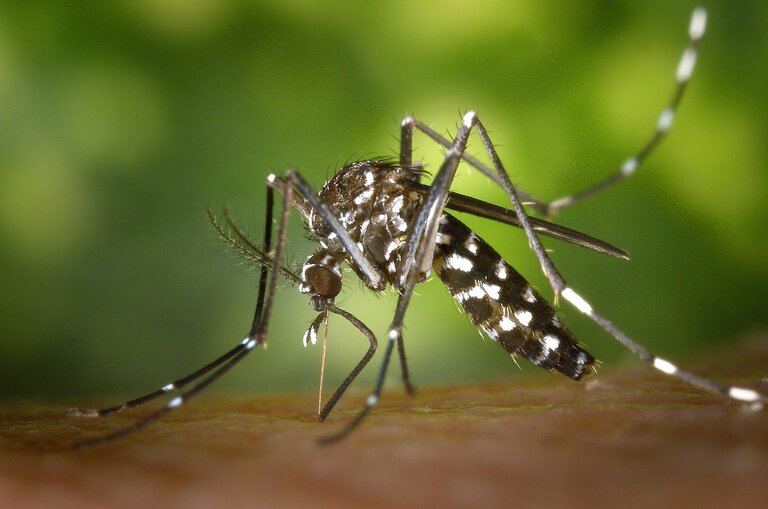
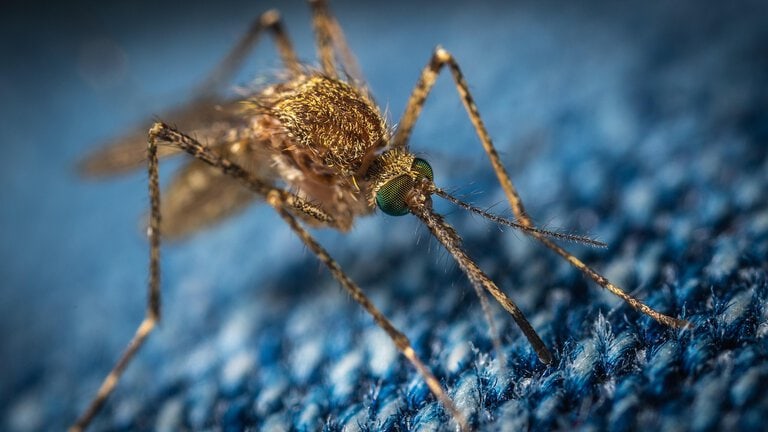
For specific pests, these conditions have distinct implications. Overwintering pests such as Cluster Flies (Pollenia rudis), which often shelter in attics and wall voids, may experience a subtle increase in internal metabolic activity at 5.51°C. While this temperature is still too low for them to actively fly outdoors in search of food or mates, it can cause them to become restless and move deeper into structures if seeking slightly warmer microclimates. The accompanying 86% humidity provides a moist environment that can reduce physiological stress for these insects should they briefly emerge from their dormant state. Similarly, for mosquitoes (e.g., Culex tarsalis), the 5.51°C temperature is too low for adult flight and biting, but it is above the threshold for initiating the slow development of larvae in any standing water that has thawed. According to studies from the University of Manitoba on mosquito ecology, sustained temperatures above 5°C, even if just barely, are vital for breaking diapause in overwintering adults or for very early larval development, setting the stage for future population growth. The high 86% humidity is highly favourable for any emergent adult mosquitoes, preventing desiccation and increasing their survival rates when they do become active.
Ground-nesting insects like Pavement Ants (Tetramorium caespitum) are also affected by these conditions. At 5.51°C, foraging activity above ground is minimal to non-existent; however, colonies subterraneanly will be able to maintain very slow metabolic processes and brood care, preventing colony collapse that would occur below freezing. Research from the University of British Columbia indicates that maintaining soil moisture is crucial for ant colony health, and the 86% ambient humidity greatly contributes to maintaining the necessary moisture levels within their nests, protecting eggs and larvae from desiccation even during periods of minimal surface activity. These combined conditions ensure that while pest activity remains low, the groundwork for future population surges is being laid as temperatures gradually climb.
What to Do This Week in Wetaskiwin
Howdy Wetaskiwin neighbours! With the mercury hovering just above freezing at 5.51°C (42°F) and the air feeling quite damp at 86% humidity, it’s a fantastic week to get a jump on spring pest prevention. First up, take a walk around your home and give those gutters and downspouts a good once-over. Clear out any lingering leaves or debris. Why does this matter now? All that humidity, combined with melting snow, means water can easily back up, creating damp zones right against your foundation – a five-star hotel for moisture-loving pests like earwigs and sowbugs looking for a cozy, wet spot as they start to stir. While you’re out there, inspect your foundation for any small cracks or gaps. Many Wetaskiwin homes, new and old, can develop these over time. Sealing them now is crucial; it’s like closing the front door before the uninvited guests even arrive, preventing critters like mice or overwintering insects from making their way inside.
Indoors, let’s keep that humidity in check. With 86% outside, any existing indoor moisture can become a real magnet for pests. Check under sinks, in basements, and crawl spaces for any leaks or condensation. Addressing these spots now keeps silverfish, certain beetles, and even some ants from setting up shop. Finally, if you’ve got a wood pile for those chilly evenings, ensure it’s stacked neatly and away from your home’s foundation. As temperatures tick up, critters like carpenter ants and various beetles can hitch a ride indoors with your firewood. For effective pest control Wetaskiwin Alberta homeowners know that proactive measures this time of year are the best defence, ensuring a more comfortable, pest-free spring and summer for everyone.
Frequently Asked Questions about Pest Activity in Wetaskiwin
What common pests should Wetaskiwin residents be aware of as spring approaches?
As March progresses in Wetaskiwin, residents might notice overwintering pests like cluster flies becoming active indoors. Rodents, such as mice, may still seek warmth and food inside homes. While overall bug risk is low, early season ants or spiders could also start to emerge, warranting attention to potential entry points.
Is early spring a good time to consider preventative pest control in Wetaskiwin?
Yes, early spring in Wetaskiwin is an excellent time for preventative measures. Sealing cracks and checking screens can deter many pests before they become established. For comprehensive protection against seasonal invaders, contacting a local service for pest control Wetaskiwin Alberta can help identify vulnerabilities and apply targeted treatments.
What types of pests might homeowners near Wetaskiwin’s Peace Hills Park encounter this time of year?
Homes bordering natural areas like Peace Hills Park might experience increased rodent activity as winter food sources dwindle. Additionally, overwintering insects seeking harborage in homes may become noticeable. It’s wise to inspect foundations and eaves for potential entry points where wildlife or insects could gain access from the park’s proximity.
What are the signs of a potential rodent problem in a Wetaskiwin home during late winter/early spring?
Residents in Wetaskiwin should look for droppings, gnaw marks on food packaging or structures, and scratching noises in walls or attics. Unexplained pet agitation can also signal rodent presence. Early detection is key, as rodents can breed quickly, making prompt action important to prevent larger infestations as the weather warms.
Protect Your Home in Wetaskiwin, Alberta
Don’t let local bug activity catch you off guard. Visit our local store to get expert advice and the right supplies for your specific location.