Bug Report: Winkler, Manitoba – 2026-03-17
This Forecast is Out of Date. Please visit https://justbiteme.com/regional-bug-bite-forecast for an updated forecast

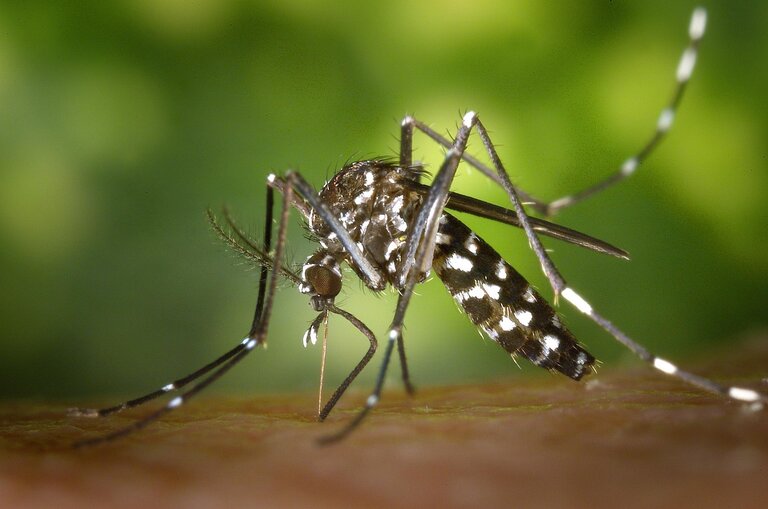
Image: Pixabay
Expert Pest Control Winkler Manitoba Insights for a Cloudy, Damp Week (March 17, 2026)
As we move through mid-March here in Winkler, the weather this week, with its cloudy skies, 98% humidity, and a mild 0.68°C, keeps our unique prairie climate character in full swing. For homeowners navigating their daily routines, perhaps an early morning walk near the Meridian Exhibition Centre, understanding your local environment is key to effective pest control Winkler Manitoba. At this moment, we’re pleased to report a Low bug risk level. This means most outdoor pests remain largely inactive, taking refuge from the damp chill, and you can generally breathe easy regarding new infestations. Your focus this week should remain on prevention and sealing any existing entry points, rather than actively battling swarms.
This Week’s Weather and What It Means for Bugs
This week’s measured conditions in Winkler, Manitoba, with a temperature of 0.68°C (33°F) and an extreme humidity of 98%, paint a clear picture for pest biology: widespread inactivity for most outdoor species. At 0.68°C, which is just above freezing, the metabolic rates of cold-blooded arthropods are severely suppressed. According to research from the University of Manitoba, insects are ectothermic, meaning their body temperature closely matches their environment, forcing them into a state of diapause or extreme lethargy when temperatures approach this threshold. For common overwintering nuisance pests like the Western Conifer Seed Bug (Leptoglossus occidentalis), which seek shelter indoors, this temperature ensures they remain dormant and inactive within wall voids or attics, conserving vital energy. The pervasive 98% humidity, while not directly triggering their diapause, can create microclimates within these sheltered spaces that prevent desiccation, contributing to their survival over the colder months.
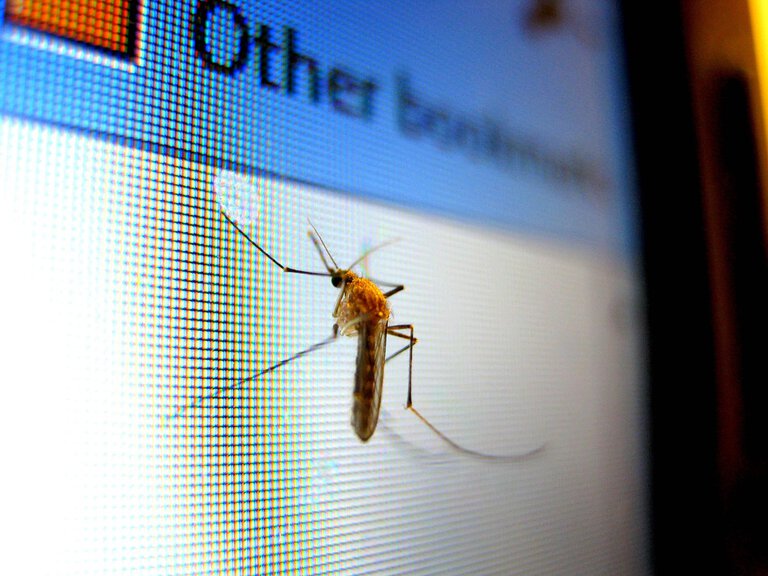
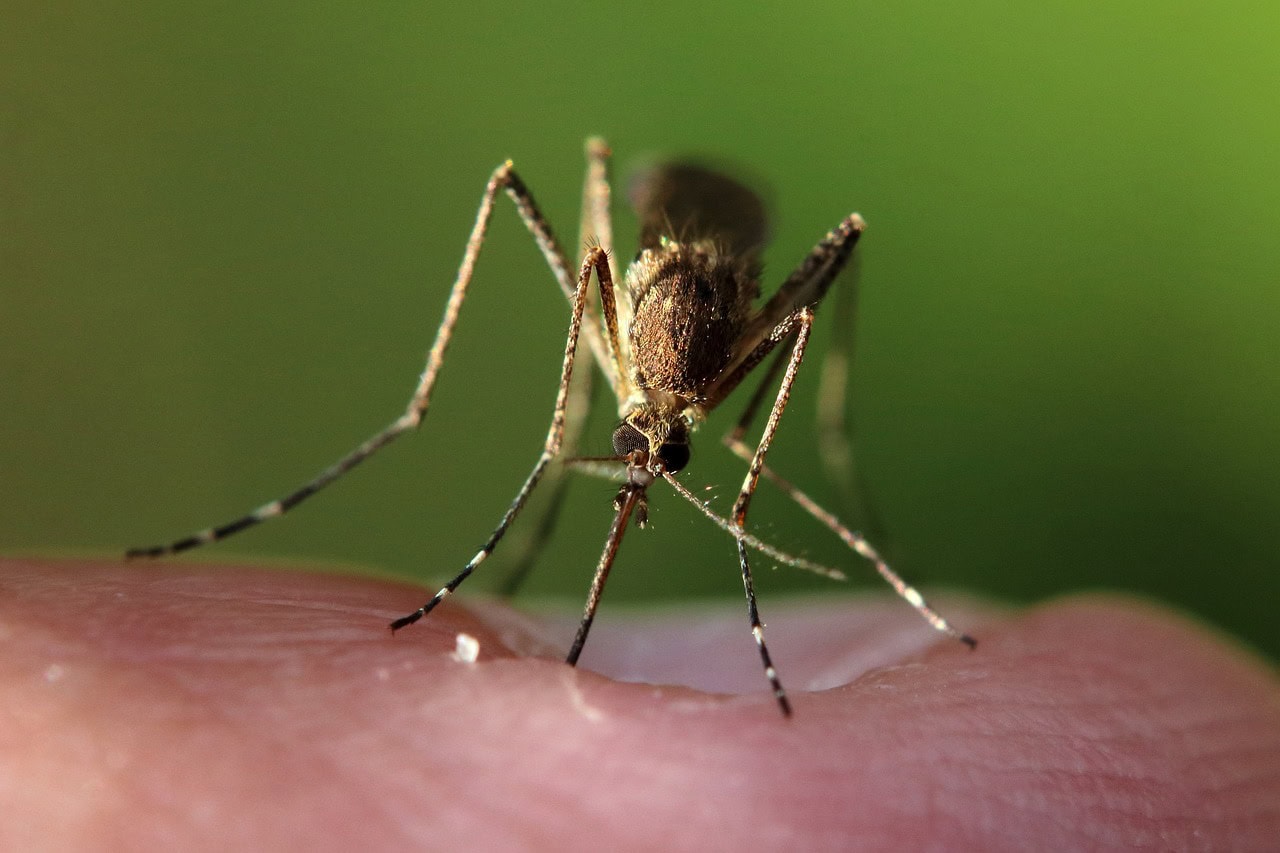
The 0.68°C (33°F) temperature also means that active outdoor pest cycles for species like Culex mosquitoes (e.g., Culex pipiens) are entirely suspended. Adult female Culex mosquitoes overwinter in sheltered locations, and at this temperature, their flight muscles are non-functional, precluding any activity or blood-feeding. While the 98% humidity is significant, it does not currently impact their dormant state. However, studies from the University of Guelph indicate that persistent high humidity, especially if combined with future warmer thaws, is critical for creating the standing water conditions necessary for mosquito larval development once temperatures consistently rise above 10°C (50°F). Furthermore, the high 98% humidity presents a favorable condition for indoor pests such as Booklice (Psocoptera species). These tiny insects thrive in damp environments, feeding on mold, fungi, and starches. The extreme moisture, even at a low temperature, strongly suggests conditions conducive to mold growth in areas with poor ventilation or damp basements, thereby supporting localized booklice populations indoors, as noted by researchers at North Dakota State University. These indoor populations can continue to reproduce and feed, largely unhindered by the low outdoor temperature, but critically dependent on the persistent moisture levels.
What to Do This Week in Winkler
Even with our current chilly 0.68°C (33°F) weather and low bug risk, it’s a prime time for proactive home protection. This week, we strongly recommend a thorough exterior inspection of your home’s foundation and utility entry points. Pay close attention to any gaps or cracks around pipes, wires, and even small openings in the siding. While many insects are dormant, rodents like mice and voles are still actively seeking warmth, and these tiny entry points are all they need. Sealing these now with appropriate materials like caulk or steel wool prevents unwanted guests from making themselves comfortable before spring truly arrives and bug activity increases.
Given the high 98% humidity and cloudy conditions, moisture management is another key area. Take a moment to check your basement, attic, and crawl spaces for any signs of condensation or leaks. In many Winkler homes, basements can be susceptible to moisture build-up, creating ideal conditions for pests like silverfish and centipedes later on. Ensuring good ventilation and addressing any minor leaks now can save you headaches down the line. Additionally, ensure your window screens are intact and window seals are tight. While overwintering pests like boxelders are still largely inactive, preventing them from finding new ways in before warmer weather hits is smart. For comprehensive assistance with these preventative measures, remember that effective pest control Winkler Manitoba starts with vigilance and early action.
Frequently Asked Questions about Pest Activity in Winkler
What common pests might Winkler residents expect to see in mid-March, despite low overall risk?
Even with a low bug risk in mid-March, Winkler homeowners might encounter overwintering pests like box elder bugs or lady beetles seeking warmth indoors. Rodents such as mice, having sought shelter during winter, could also become more active as temperatures fluctuate, potentially venturing further into living spaces.
Are homes in Winkler’s Southview neighborhood more susceptible to certain pests?
Homes in Winkler’s Southview area, often bordering open fields or green spaces, might experience increased activity from field mice, voles, or occasional garter snakes emerging from hibernation. Sealing foundation cracks and maintaining clear perimeters are crucial preventative steps against these specific pests.
When should Winkler residents consider professional pest control services for recurring issues?
If Winkler residents face persistent pest problems like recurring mouse infestations, persistent insect presence, or difficulty identifying a pest source, it’s wise to contact professionals. Expert **pest control Winkler Manitoba** services can accurately identify the issue, implement targeted treatments, and advise on long-term prevention strategies to secure your home effectively.
What preventative measures can Winkler homeowners take against early spring pests?
Winkler homeowners should focus on sealing potential entry points around foundations, windows, and utility lines before spring fully arrives. Clearing leaf litter and debris from around the house, ensuring proper drainage, and storing firewood away from the home can significantly reduce harborage for various early spring pests.
What are the primary concerns for rodent activity in Winkler during late winter/early spring?
During late winter and early spring in Winkler, rodents like mice and voles are a primary concern as they become more active or seek new food sources. While some may emerge from hibernation, others might have been overwintering indoors, becoming more noticeable as they forage more widely.
Protect Your Home in Winkler, Manitoba
Don’t let local bug activity catch you off guard. Visit our local store to get expert advice and the right supplies for your specific location.