Bug Report: Yellowknife, Northwest Territories – 2026-03-17
This Forecast is Out of Date. Please visit https://justbiteme.com/regional-bug-bite-forecast for an updated forecast

Image: Pixabay
Pest Control Yellowknife Northwest Territories: Your Chilly March Week Update (-6.38°C, Cloudy Skies)
Welcome back to another edition of your weekly bug report, brought to you by your trusted experts in pest control Yellowknife Northwest Territories. As we navigate the lingering embrace of Yellowknife’s long subarctic winter, with temperatures hovering around -6.38°C and cloudy skies draping the landscape, the good news for homeowners is that our overall bug risk level remains Low. This means that while folks are still enjoying activities like walks around Frame Lake or venturing out on the Dettah Ice Road, they can do so with minimal concern for encountering active outdoor pests. For you, the homeowner, a Low risk level primarily implies that the focus shifts from active outdoor infestations to maintaining vigilance against overwintering indoor pests and ensuring your home remains a fortress against any opportunistic entry.
This Week’s Weather and What It Means for Bugs
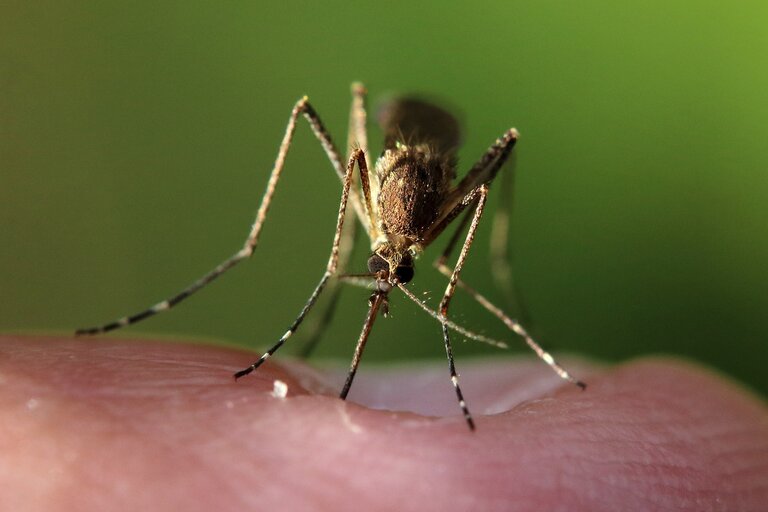
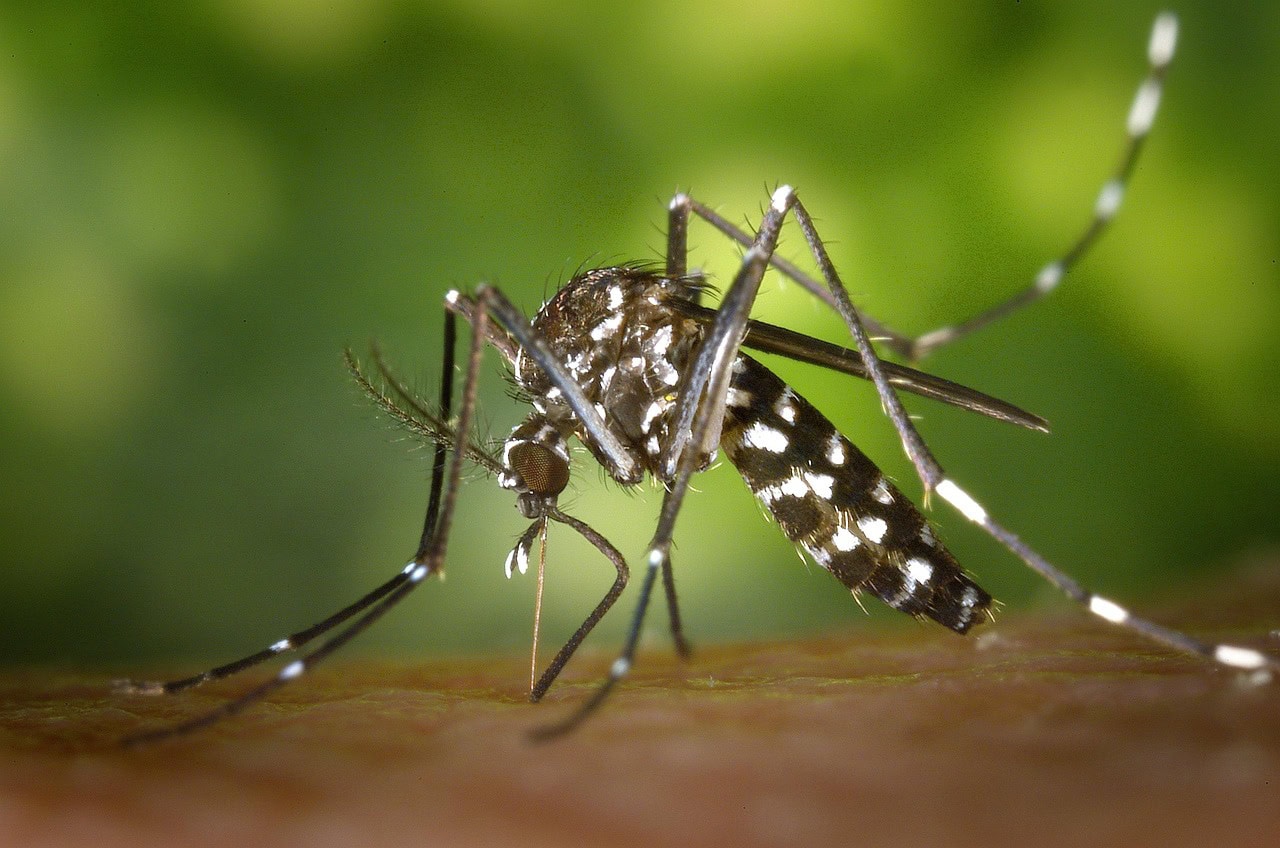
This week’s measured temperature of -6.38°C (21°F) in Yellowknife is a dominant factor dictating the activity, or rather, the inactivity, of most insect pests. At this sub-freezing temperature, the metabolic processes of cold-blooded insects are severely arrested. For species like Aedes mosquitoes, which are a common nuisance in warmer months, all active life stages (larvae, pupae, and adults) are completely non-existent. Research from the University of Manitoba indicates that while certain *Aedes* species eggs are remarkably freeze-tolerant and overwinter in frozen conditions, their development is entirely suspended below approximately 10°C, making any larval activity impossible at -6.38°C. The 65% humidity, while moderate, has a limited direct impact on these dormant eggs, as their primary survival mechanism against desiccation is their robust chorion and the surrounding frozen or snow-covered environment.
Forest pests such as the Spruce Budworm, Choristoneura fumiferana, are also profoundly affected by these cold conditions. Studies by Natural Resources Canada reveal that these insects overwinter as second-instar larvae, nestled in hibernacula on their host trees. At an ambient temperature of -6.38°C, their metabolic activity is drastically reduced, entering a state of diapause where no feeding or growth occurs. While these larvae possess a degree of freeze tolerance, this temperature ensures they remain in their protected, dormant state, conserving energy until sustained warmer temperatures trigger renewed development. The moderate 65% humidity outdoors, combined with the freezing temperature, means that any exposed larvae would face a high risk of desiccation and freezing, underscoring the critical role of their sheltered hibernacula for survival.
For synanthropic pests like the Cluster Fly (Pollenia rudis), the week’s -6.38°C temperature is a clear signal for overwintering. These flies actively seek sheltered, warmer microclimates, typically within the protected voids of human structures (attics, wall voids, basements) to escape the deadly outdoor cold. Entomological analyses, such as those from the University of Guelph, confirm that temperatures significantly below their activity threshold, like the current 21°F, compel these insects into a state of torpor or diapause, where they can survive on stored fat reserves. The 65% outdoor humidity, while not directly influencing their sheltered indoor environment, signifies that any flies still exposed outdoors would rapidly succumb to a combination of freezing temperatures and potential desiccation due as the air’s moisture-holding capacity is very low at this temperature.
What to Do This Week in Yellowknife
Even though our bug risk is low this week with temperatures still well below freezing, it’s the perfect time to reinforce your home’s defenses against pests looking for a warm hideout. For homeowners in Yellowknife, proactive steps now can save headaches later. First, take a walk around the exterior of your home and focus on sealing up any potential entry points. Pay close attention to gaps around utility lines, pipes, and window frames, using a good quality, weather-resistant sealant or even steel wool where appropriate. Why this matters now: With outdoor temperatures still frigid at -6.38°C (21°F), rodents like mice are highly motivated to find any small opening to get inside where it’s warm and dry, making these often-overlooked gaps prime real estate for unwanted guests.
Secondly, make sure your pantry and food storage areas are secured. Transfer all dried goods, including pet food and birdseed, into robust, airtight containers. This eliminates easy access for resourceful rodents and prevents pantry pests from establishing themselves, especially when their outdoor food sources are scarce due to the persistent cold. Lastly, in our unique Yellowknife environment, often characterized by older homes with basements or crawl spaces, it’s wise to check for any signs of moisture. With 65% humidity in the air, even minor leaks or condensation can create inviting damp conditions for pests like silverfish or provide a water source for rodents. Addressing these issues promptly is a critical part of effective pest control Yellowknife Northwest Territories homeowners can implement. By taking these simple steps, you’re building a stronger barrier against our northern pests.
Frequently Asked Questions about Pest Activity in Yellowknife
What common pests should Yellowknife residents be aware of during March?
In March, Yellowknife typically sees limited outdoor pest activity due to the cold. However, rodents like mice and voles may still seek indoor warmth. Overwintering insects such as spiders can also become more noticeable as homes warm up. It’s a good time to check for any signs of these indoor nuisances.
Are homes in Yellowknife’s Old Town more susceptible to specific pest issues?
Older homes in Yellowknife’s Old Town, with their unique construction and proximity to the lake, can sometimes experience increased rodent activity, particularly mice seeking shelter. They may also be more prone to issues with overwintering pests finding entry points. Regular inspections and sealing gaps are crucial for prevention in these historic properties.
When is the best time to consider proactive pest control measures in Yellowknife?
Proactive pest control in Yellowknife Northwest Territories is often best considered before spring thaw when insects become more active, typically late April or May. However, year-round vigilance for rodents is essential due to the long, cold winters. If you notice signs of pests during March, addressing them promptly prevents larger issues later.
How can I prevent mice from entering my Yellowknife home during the colder months?
To prevent mice in your Yellowknife home, seal all cracks and gaps in foundations, walls, and around utility pipes using caulk or steel wool. Ensure screens are intact and doors fit tightly. Store food in airtight containers and keep outdoor areas tidy, reducing potential nesting sites near your residence.
What should I do if I suspect a pest infestation in my Yellowknife property?
If you suspect a pest infestation in your Yellowknife property, it’s advisable to contact a local pest control professional. They can accurately identify the pest, assess the extent of the problem, and recommend effective, safe solutions tailored to northern conditions. Early intervention helps prevent infestations from escalating and becoming more difficult to manage.
Protect Your Home in Yellowknife, Northwest Territories
Don’t let local bug activity catch you off guard. Visit our local store to get expert advice and the right supplies for your specific location.
Find Just Bite Me Products Near You
Discover where you can purchase Just Bite Me products in your area.