Bug Report: High Level, Alberta – 2026-03-17
This Forecast is Out of Date. Please visit https://justbiteme.com/regional-bug-bite-forecast for an updated forecast

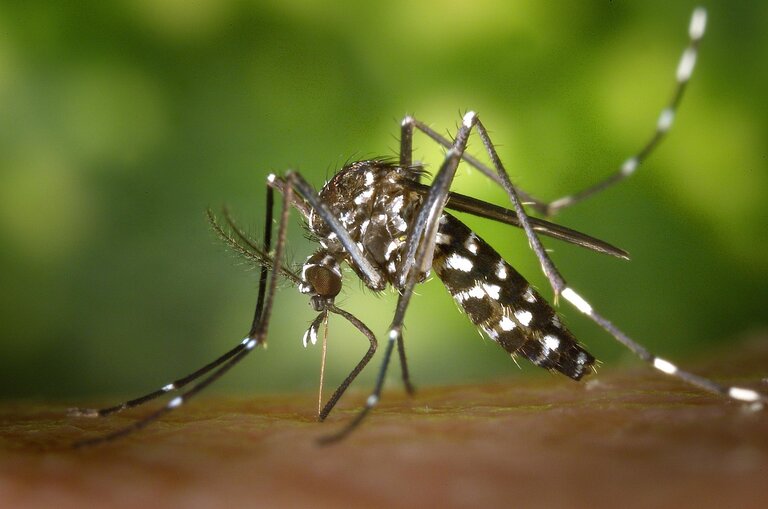
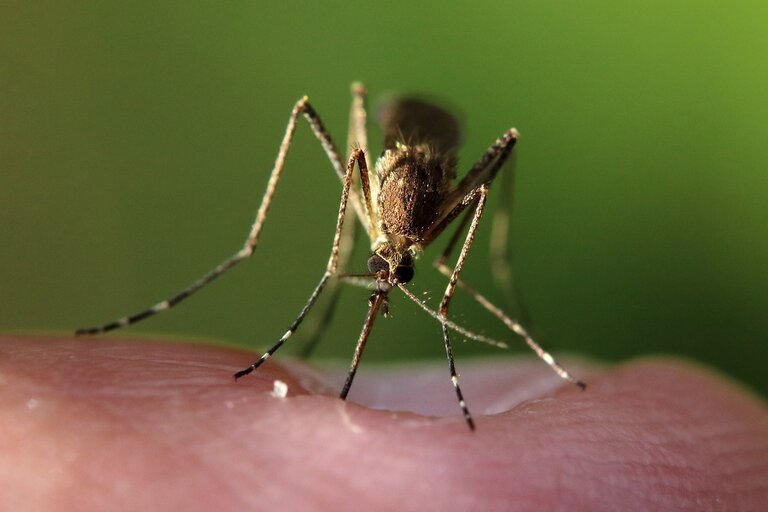
Image: Pixabay
Pest Control High Level Alberta: A Clear, Mild March Week (March 17, 2026)
Welcome to your weekly bug report for High Level, where this week, March 17, 2026, brings surprisingly mild conditions at 5.97°C (43°F) with clear skies and 79% humidity. As residents might be noticing the initial signs of snowmelt around areas like the Mackenzie Crossroads Museum, it’s a good time to consider proactive pest control High Level Alberta strategies. Despite the warmer temperatures, the overall bug risk level remains low. This means that while some early risers might be stirring in our northern boreal climate, most significant pest activity, like aggressive overwintering pests or early spring invaders, is still largely dormant. Homeowners can breathe a sigh of relief, but vigilance is always key.
This Week’s Weather and What It Means for Bugs
This week’s conditions in High Level, Alberta, featuring a temperature of 5.97°C (43°F) and 79% humidity, present a mixed bag for local pest activity. While the temperature is above freezing, it remains relatively cool for the widespread emergence or rapid development of many insect species. However, the high humidity provides crucial moisture, which can be beneficial for the survival of certain pests and the development of others, even at these cooler temperatures.
For common overwintering pests such as boxelder bugs (Boisea trivittata) and cluster flies (Pollenia rudis), the 5.97°C (43°F) temperature means they are largely still in a state of dormancy or highly reduced metabolic activity. According to entomological research from institutions like the University of Nebraska-Lincoln, temperatures below 10°C (50°F) generally keep these insects quiescent within their overwintering sites, such as wall voids or attics, minimizing energy expenditure. However, the clear conditions and any localized warming, perhaps on sun-exposed exterior walls, could trigger some sluggish movement or internal emergence for individuals seeking warmer spots, even though sustained outdoor activity is unlikely at this temperature.
In contrast, the cool yet above-freezing temperature, combined with high humidity, is quite favorable for other pest groups. Springtails (order Collembola), for instance, thrive in moist environments, and the 79% humidity provides ideal conditions, preventing desiccation. Research from the University of California Riverside highlights that many springtail species remain active and can even reproduce at temperatures around 5°C, making them potential nuisance pests in damp areas like basements or under leaf litter. Furthermore, while 5.97°C (43°F) is generally too cold for active biting or significant flight of most adult mosquitoes (e.g., Aedes vexans), this temperature is above the developmental threshold for some species. According to studies from institutions like the University of Wisconsin-Madison, larval development can slowly initiate in standing water at these temperatures, and the 79% humidity would aid in preventing desiccation of any newly emerged or overwintering adults that might be present, even if their activity is minimal.
What to Do This Week in High Level
As we navigate the transition from winter to spring with temperatures hovering around a mild 5.97°C (43°F) and noticeable humidity, it’s a prime window for proactive pest prevention before the full warmth of spring arrives. Firstly, take advantage of the clear, mild conditions to conduct a thorough exterior inspection of your home. Look for any small cracks, gaps, or unsealed openings around utility lines, windows, and doors. Even tiny entry points can become bustling thoroughfares for rodents and overwintering insects that are starting to stir and seek warmer, drier harborage or exit routes as the seasons shift. Secondly, given the 79% humidity, it’s crucial to actively manage moisture both inside and outside your home. Check for any leaky pipes, ensure proper ventilation in basements, crawl spaces, and attics, and promptly clear any standing water accumulating near your foundation. Excess moisture is a magnet for moisture-loving pests such as silverfish, earwigs, and can even contribute to conditions favorable for carpenter ants.
For homeowners in High Level, we understand the unique environmental aspects, including the prevalence of wood structures and surrounding natural areas. This week, focus on ensuring any woodpiles are stacked neatly and kept a good distance (at least 20 feet) away from your home’s foundation. This simple step can significantly deter carpenter ants and various rodents from setting up shop too close for comfort. Additionally, clear any leaf litter, fallen branches, or other debris accumulated against your home, especially around areas prone to snowmelt, as these create damp, sheltered havens where pests can hide and breed. By taking these actionable steps now, you’re not just reacting to potential problems, but actively preventing them, ensuring a more comfortable spring and summer ahead. For comprehensive pest control High Level Alberta homeowners trust, remember that diligent prevention is your best strategy.
Frequently Asked Questions about Pest Activity in High Level
What are the most common pest concerns for homeowners in High Level, Alberta, during late March?
In late March, as snow begins to melt in High Level, homeowners often encounter rodents like mice and voles seeking shelter. Indoor spiders and early ant scouts can also become noticeable. Wildlife, such as squirrels and raccoons, may also start exploring properties more actively as spring approaches.
How can residents effectively deal with early spring pest activity in their High Level homes?
To effectively manage early spring pests, residents should seal entry points, ensure proper food storage, and clear yard debris. For persistent or widespread infestations, it’s best to contact a local expert for pest control High Level Alberta services. Professional intervention ensures safe and thorough eradication.
Are homes in High Level’s residential areas bordering the Boreal forest more prone to specific pests?
Yes, homes bordering the Boreal forest in High Level often experience increased activity from rodents, squirrels, and various insects. These pests naturally inhabit the forest and may seek food or shelter in nearby homes. Maintaining proper exterior barriers and regular inspections are crucial for these properties.
What preventative measures should High Level residents take now to prepare for spring pests?
High Level residents should seal cracks in foundations and around utility lines, repair damaged screens, and ensure tight-fitting door and window seals. Clearing leaf litter and debris from around the home’s perimeter also reduces harborage for pests. Regular vigilance is key to prevention.
Protect Your Home in High Level, Alberta
Don’t let local bug activity catch you off guard. Visit our local store to get expert advice and the right supplies for your specific location.