Bug Report: Dawson Creek, British Columbia – 2026-03-17
This Forecast is Out of Date. Please visit https://justbiteme.com/regional-bug-bite-forecast for an updated forecast

Image: Pixabay
Pest Control Dawson Creek British Columbia: Your Weekly Bug Report Amidst 2.07°C and Cloudy Skies
Welcome to your weekly pest report for Dawson Creek. For the week of March 17th, 2026, with cloudy skies, 2.07°C, and 99% humidity, the overall pest risk level remains Low, making it ideal for proactive pest control Dawson Creek British Columbia. Even as residents enjoy walks near the iconic Mile 0 Post, most pests are still largely dormant, only just beginning to stir with hints of snowmelt in our distinct northern continental climate. A Low risk level means you’ll unlikely encounter significant outdoor pest issues, providing an excellent opportunity to focus on indoor prevention and sealing up your home before the true spring rush.
This Week’s Weather and What It Means for Bugs
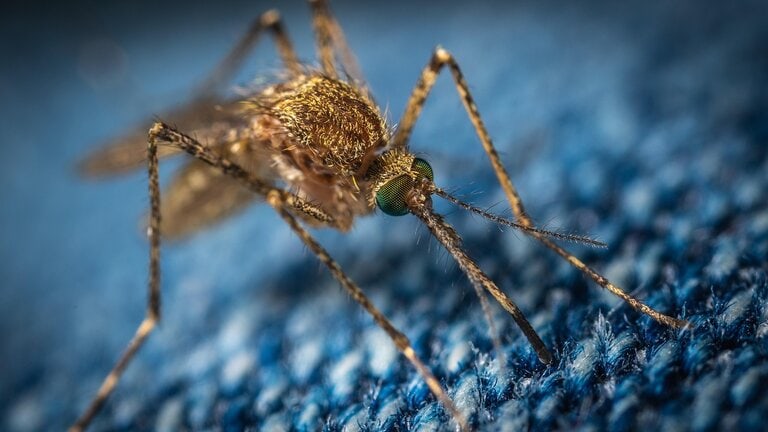
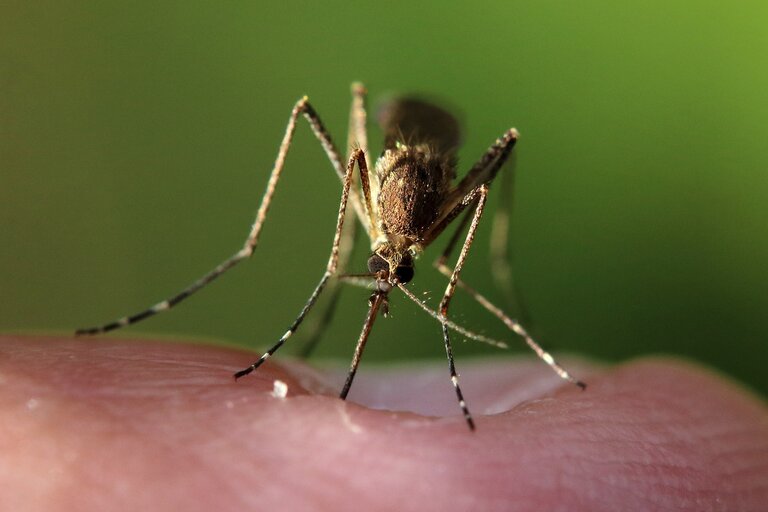
This week’s measured conditions of 2.07°C (36°F) and 99% humidity in Dawson Creek present a specific scenario for insect biology, largely dictating a state of dormancy or very low activity for many pest species. The low temperature, just above freezing, places it below the developmental threshold for most insects, prompting overwintering strategies. For instance, adult mosquitoes, such as Culiseta inornata, are highly impacted. According to entomological studies from the University of British Columbia, sustained temperatures below 7°C (45°F) effectively halt adult mosquito flight and feeding activity, putting them into diapause in sheltered locations like culverts or hollow logs, precisely what we would expect at 2.07°C. This low temperature means their metabolic processes are significantly slowed, conserving energy through the winter months.
The exceptionally high humidity of 99% plays a critical role for those insects attempting to survive these cold conditions. For species like the cluster fly, Pollenia rudis, which seeks refuge indoors in wall voids and attics during colder months, the 2.07°C temperature keeps them in a state of torpor. Research from the University of Guelph indicates that adult cluster flies enter diapause when ambient temperatures drop below 5°C (41°F), preventing any nuisance activity. While the high outdoor humidity doesn’t directly affect them in dry indoor voids, it underscores the harsh, moisture-laden outdoor environment that drives them to seek such shelter. Crucially, for dormant pests and their overwintering stages (like some mosquito eggs or adult insects in sheltered outdoor microclimates), 99% humidity helps prevent desiccation, a significant threat even to inactive organisms.
However, not all arthropods are entirely dormant under these conditions. Springtails (Collembola species), for example, are uniquely adapted to cold, damp environments. Studies conducted by the University of Alberta highlight that many species of springtails are remarkably resilient, maintaining activity even at temperatures like 2.07°C (36°F), particularly within soil or under leaf litter. Their highly permeable cuticles make them vulnerable to desiccation, meaning the 99% humidity is an ideal condition for their survival and activity, preventing water loss. While not typically considered structural pests, their presence can indicate excessive moisture conditions in basements or crawl spaces, especially if they are driven indoors by saturated outdoor conditions.
What to Do This Week in Dawson Creek
With temperatures hovering just above freezing at 2.07°C (36°F) and a remarkable 99% humidity this week, our homes in Dawson Creek are facing a unique set of conditions. This damp, cool air significantly increases the risk of indoor moisture issues, making your property particularly attractive to certain pests. Even with a low overall bug risk, proactive steps are essential for effective pest control Dawson Creek British Columbia. First, it’s crucial to manage indoor humidity. Take time to inspect your basement, crawl spaces, and bathrooms for any signs of condensation, minor leaks, or dampness. Running a dehumidifier in chronically damp areas can make a big difference. High indoor humidity is a magnet for moisture-loving pests such as silverfish, earwigs, and sowbugs, and it also promotes mold growth which can attract other opportunistic insects.
Secondly, while most outdoor insects are still dormant, rodents and overwintering pests (like cluster flies) are actively seeking or maintaining warmth indoors. Now is an excellent time to conduct a thorough inspection around windows, doors, and utility entry points for any developing cracks or gaps that could serve as entryways. Sealing these with caulk or weatherstripping prevents new invaders and keeps existing ones from moving deeper into your home. Lastly, with the persistent clouds and high humidity, ensure your exterior is managing water effectively. Clear any lingering debris or ice from gutters and confirm that downspouts direct water several feet away from your foundation. Clogged gutters or improper drainage can saturate the soil around your home, creating ideal damp conditions for ants, earwigs, and other foundation-dwelling pests, a common issue for many homes in Dawson Creek during our variable spring.
Frequently Asked Questions about Pest Activity in Dawson Creek
What common pests should Dawson Creek residents be aware of as spring approaches in March?
In March, Dawson Creek often sees overwintering pests like cluster flies and boxelder bugs becoming active indoors as temperatures rise. Rodent activity, particularly mice seeking warmth, can also persist. As the snow melts, early signs of ant trails might emerge, prompting residents to consider preventative measures for spring.
Are rodents a significant concern for homes in Dawson Creek, and what can be done?
Rodents, especially mice and voles, are a common concern in Dawson Creek, particularly during colder months when they seek indoor shelter. Residents should seal entry points, store food in secure containers, and maintain tidy properties. Professional pest control Dawson Creek British Columbia services can effectively manage persistent rodent issues, ensuring homes remain protected.
What pest challenges are common for homes in Dawson Creek’s Willowbrook neighborhood?
Homes in Willowbrook, often near green spaces, may experience increased issues with voles and mice seeking shelter, especially as spring thaws the ground. Ant colonies can also become more noticeable. Maintaining clear perimeters and sealing foundations are crucial preventative steps specific to areas bordering natural habitats.
Why do I see more cluster flies or boxelder bugs indoors in Dawson Creek during early spring?
Cluster flies and boxelder bugs often overwinter within wall voids and attics of Dawson Creek homes. As spring temperatures fluctuate in March, they become active and emerge indoors, seeking light. While generally harmless, their presence can be a nuisance. Sealing exterior cracks helps prevent their initial entry in the fall.
How can Dawson Creek pet owners ensure pest control methods are safe for their animals?
Dawson Creek pet owners should always inform their pest control provider about pets. Safe practices include using pet-friendly baits, placing traps in inaccessible areas, and ensuring treatments are applied when pets are not present. Discussing integrated pest management (IPM) strategies can minimize chemical exposure while effectively managing infestations.
Protect Your Home in Dawson Creek, British Columbia
Don’t let local bug activity catch you off guard. Visit our local store to get expert advice and the right supplies for your specific location.