Bug Report: Waukesha, Wisconsin – 2026-03-17
This Forecast is Out of Date. Please visit https://justbiteme.com/regional-bug-bite-forecast for an updated forecast

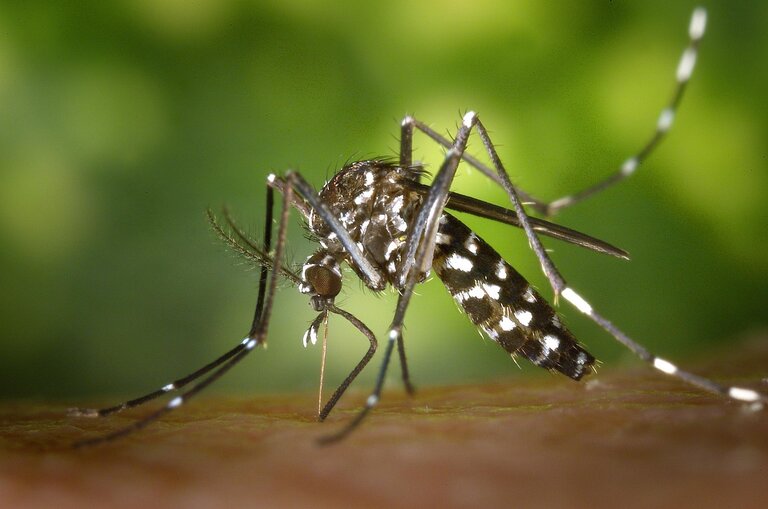
Image: Pixabay
Pest Control Waukesha Wisconsin: Your Late Winter Bug Report (March 17th)
Welcome back, Waukesha homeowners! With temperatures at a brisk -5.99°C (21°F) and 92% humidity under cloudy skies this March 17th, 2026, winter’s grip ensures that effective pest control Waukesha Wisconsin is currently focused on indoor invaders. Our overall bug risk level is Low, meaning most outdoor pests are deeply hunkered down, much like residents seeking warmth in downtown shops instead of a chilly stroll through Frame Park. These critters are well-adapted to our humid continental climate, masters of overwintering in cozy spots within your homes.
This Week’s Weather and What It Means for Bugs
This week’s frigid temperature of -5.99°C (21°F) coupled with 92% humidity presents a definitive winter scenario for pest biology in Waukesha. At this temperature, most outdoor insect activity has ceased entirely, with many species entering a state of diapause or seeking deep, protected overwintering sites. The high humidity, while less of a direct driver for active pests in such cold, can play a role in mitigating desiccation for insects in sheltered microclimates. Overall, these conditions reinforce the survival strategies of cold-blooded arthropods, pushing them either into dormancy or further indoors, away from the elements.
For several common Waukesha pests, these specific conditions dictate clear biological responses. Overwintering aggregators like the Boxelder Bug (Boisea trivittata) are profoundly affected by the -5.99°C (21°F) temperature. According to entomological research, such freezing temperatures prevent any outdoor activity and keep these bugs firmly in diapause within wall voids, attics, and other sheltered structural spaces where they seek refuge from the cold. Similarly, species like the German Cockroach (Blattella germanica), which are entirely dependent on human structures, continue their lifecycles uninterrupted within heated buildings. The -5.99°C (21°F) outdoor temperature ensures they remain indoors, where the high outdoor humidity has no direct bearing on their indoor microenvironment.
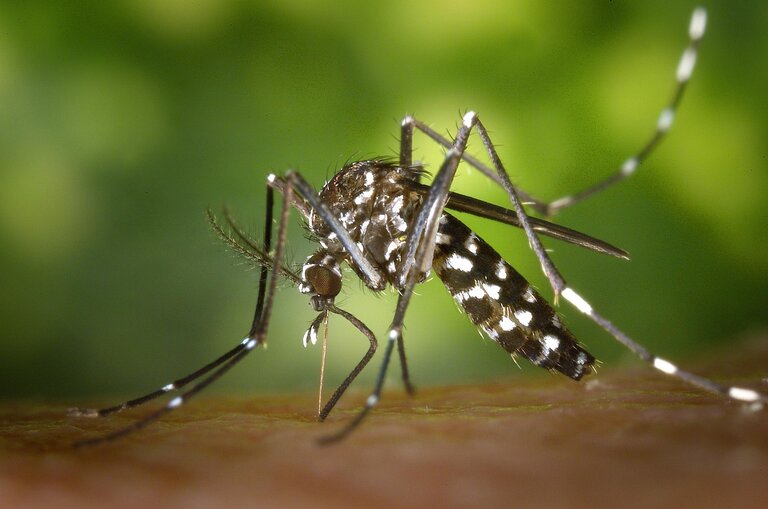
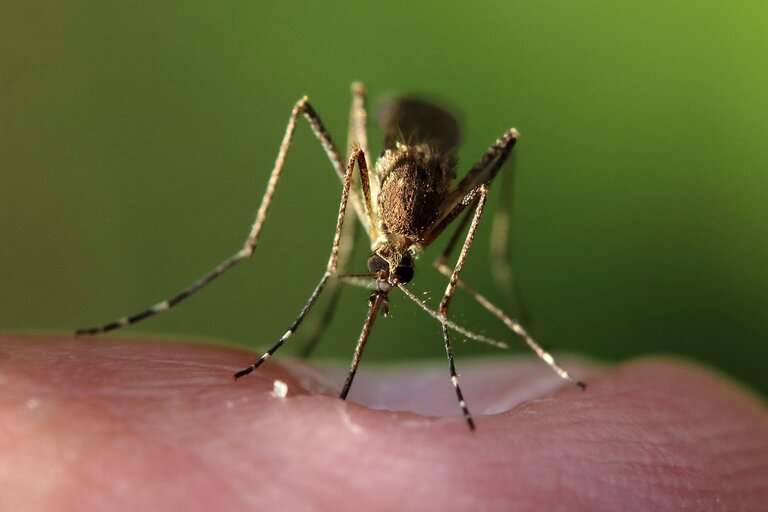
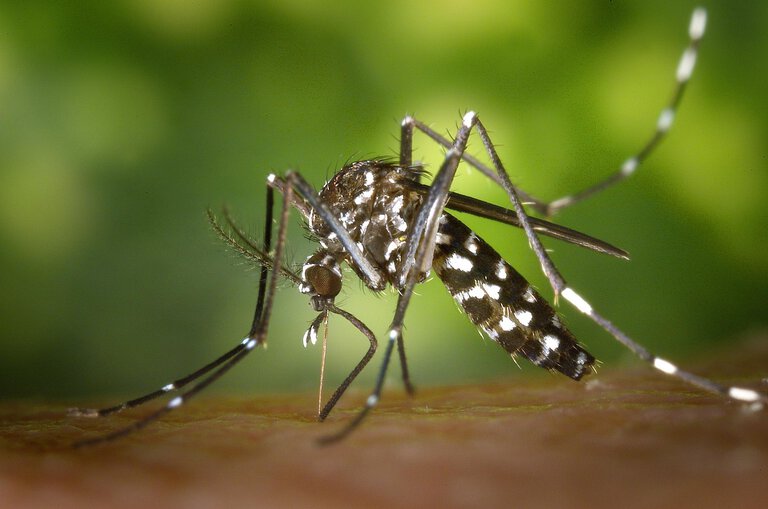
Furthermore, the consistently low temperature of -5.99°C (21°F) effectively halts the development and activity of outdoor pests such as mosquito species like the Northern House Mosquito (Culex pipiens). According to studies on insect physiology, temperatures well below freezing are lethal for active adult mosquitoes and prevent any larval or pupal development. This drives Culex pipiens into overwintering diapause, often as adult females in sheltered, cool, and damp locations like storm drains or culverts, where the ambient 92% humidity might indirectly support the moisture levels necessary to prevent desiccation during their dormant period.
What to Do This Week in Waukesha
Even with the low bug risk and freezing 21°F temperatures this week in Waukesha, pests are actively seeking warm refuge indoors. Now is the perfect time to be proactive! First, take a thorough walk around your home’s exterior. Inspect around window frames, door sweeps, and where utility lines enter the house for any gaps. Critically, examine your foundation for cracks, especially around the charming older stone foundations many Waukesha homes boast. Seal any openings, even small ones, with good quality caulk or weatherstripping; remember, critters can squeeze through surprisingly tiny spaces when they’re desperate for warmth. Second, clear any lingering leaf piles, firewood stacks, or other organic debris directly against your foundation. These offer prime hiding spots and easy access points for pests.
Third, let’s talk about that high 92% humidity. While it’s cold outside, this can contribute to interior dampness, which is a magnet for certain pests. This week, make sure to check your basement or crawl space for any signs of moisture, leaks, or condensation. Ensuring proper ventilation and using a dehumidifier if needed can significantly reduce the appeal for moisture-loving pests like silverfish and centipedes that thrive in damp environments. Taking these simple, actionable steps now can save you headaches later. For comprehensive prevention and effective pest control Waukesha Wisconsin, our local team is always ready to assist!
Frequently Asked Questions about Pest Activity in Waukesha
What common pests should Waukesha residents be aware of in early spring?
In early spring, Waukesha residents often see overwintering pests like box elder bugs, cluster flies, and Asian lady beetles becoming active indoors. Spiders may also be more noticeable as temperatures rise. Mice can still seek indoor warmth. Carpenter ants might begin foraging as the weather warms, seeking new nesting sites or food sources.
Are termites a concern for homes in Waukesha, especially near wooded areas?
While less prevalent than in some southern states, termites are a potential threat in Waukesha, especially for properties close to wooded areas like those near Minooka Park. Early detection is crucial. If you suspect termite activity, contacting a professional for pest control Waukesha Wisconsin is highly recommended to prevent significant structural damage to your home.
What unique pest challenges might homeowners face in Waukesha’s historic downtown district?
Homes in Waukesha’s historic downtown, particularly older structures, can be prone to issues with rodents like mice and rats seeking shelter and food sources. Pavement ants and occasional invaders such as cluster flies are also common in these established areas. Regular inspections and sealing entry points are key preventive measures for these properties.
How can I proactively prevent common spring pests from entering my Waukesha home?
Seal cracks and gaps around windows and foundations, repair torn screens, and ensure doors have tight seals. Clear gutters of debris and trim vegetation away from your home’s exterior to eliminate hiding spots. Reducing indoor moisture sources and storing food properly also deters many common spring pests in Waukesha from becoming an issue.
Protect Your Home in Waukesha, Wisconsin
Don’t let local bug activity catch you off guard. Visit our local store to get expert advice and the right supplies for your specific location.